Are People in Their 40s Not Even Allowed to Wear Hoodies? ... The 'Young Forty Banned List' Now Includes Even Seongsu-dong
- Input
- 2026-11-30 04:20:00
- Updated
- 2026-11-30 04:20:03
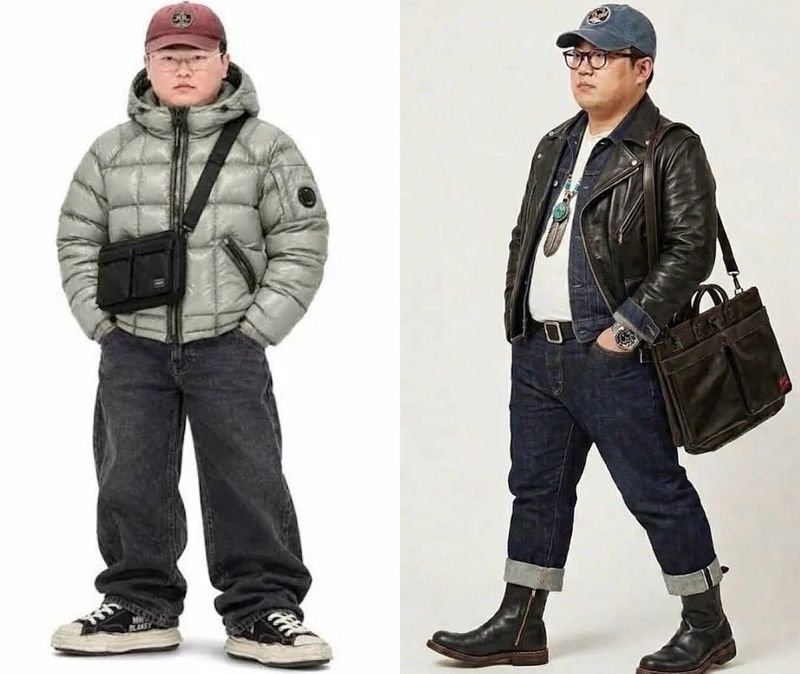
[Financial News] A so-called “banned list for people in their 40s” is spreading online, saying they should not wear hoodies or Crocs or visit Seoul’s Seongsu-dong neighborhood or well-known department stores. Critics say it goes too far to mock an entire age group’s clothing, tastes and everyday lives, rather than focusing on inappropriate behavior by some middle-aged people.
A post about the “banned list for people in their 40s,” published on an online community on Nov. 22, topped 600,000 views in a day. The list included clothing and footwear such as hoodies, miniskirts and Crocs, as well as brands and places including the iPhone, Uniqlo, The Hyundai Seoul and Seongsu-dong.
“Young Forty,” originally used to describe people in their 40s who maintain a youthful sensibility, is also used online as a derogatory term for middle-aged people. The criticism goes beyond authoritarian attitudes at work or behavior that makes others uncomfortable to judge people’s consumer habits and fashion based on their age.
“Young Forty” combines the English word “young” with “forty,” the number 40. The term was used in marketing to describe consumers in their 40s who are sensitive to trends and proactive about self-care, but has recently also been used online to mock middle-aged people who follow younger generations’ culture.
Negative perceptions of “Young Forty” have also appeared in survey results. In a survey of 1,000 men and women nationwide ages 18 and older, conducted by Hankook Research from Feb. 6 to 9 this year, 85% of respondents said they had heard the term.
Among the 850 respondents who had heard of “Young Forty,” 50% had a negative perception of the term. The share rose to 63% among men in their 20s and 30s who had heard it.
An analysis of related terms used online also found more negative expressions than positive ones. SomeTrend, a big data analytics platform, collected 104,160 online mentions related to “Young Forty” over the year leading up to September last year. Of the sentiment keywords that appeared alongside the term, 55.9% were negative and 37.6% were positive.
The backlash against “Young Forty” is partly rooted in criticism of some middle-aged people who act authoritatively toward younger generations or approach them inappropriately. In Hankook Research’s survey, respondents with a negative view of the term associated it with images such as “people in their 40s pretending to be young.”
Some argue that criticism of behavior that makes others uncomfortable should be distinguished from mockery of personal tastes. They say it goes too far to criticize someone simply for wearing clothes from a particular brand or visiting places popular with younger generations when that person has caused no harm to others.
Some people say the atmosphere leaves them “feeling burdened even expressing their tastes.” They find themselves conscious of how other generations see them when choosing clothes or hobbies they like.
[email protected] Han Seung-gon Reporter