Taxi Fares, Water Rates and Garbage Bags ... Public Utility Charges to Rise Over the Year-End and New Year Period
- Input
- 2026-11-29 12:25:30
- Updated
- 2026-11-29 12:25:30
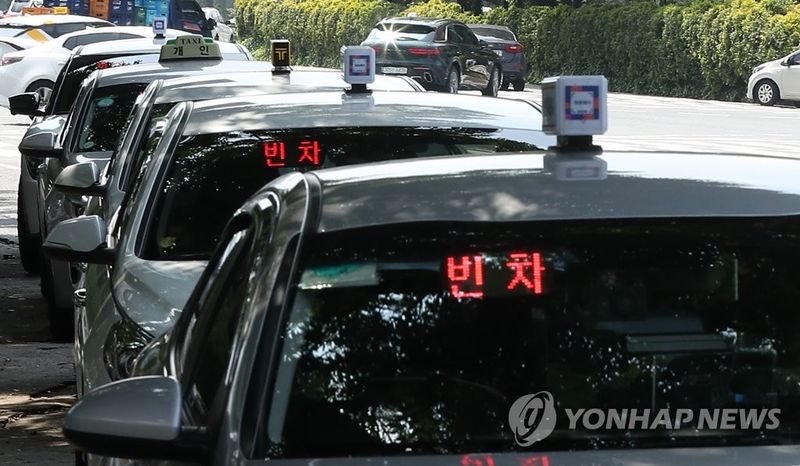
[Financial News] Local public utility rates whose increases had been postponed to stabilize prices are set to rise one after another around the year-end and New Year period. As local governments face mounting cumulative deficits from years of frozen rates and growing facility investment costs, they are moving to raise taxi fares, water and sewage rates, and the prices of volume-based garbage bags, adding to the burden on households.
A wave of increases, from taxi fares to water and sewage rates and volume-based garbage bags
According to local governments and other sources on the 29th, North Chungcheong Province’s Consumer Policy Committee approved a proposal on the 23rd to raise the base fare for medium-sized taxis from 4,000 won to 4,700 won. This will be the first increase in three years since 2023, and is scheduled to take effect on December 19 after administrative procedures. Goseong County in South Gyeongsang Province will also raise its base taxi fare from 5,000 won to 5,500 won starting on the first of next month.
Earlier, Daejeon City raised the base fare for medium-sized taxis from 4,300 won to 4,800 won and shortened the base fare distance from 1.8 km to 1.65 km, effective from the first of this month. The distance-based fare was adjusted from 132 meters per 100 won to 125 meters per 100 won, and the time-based fare from 33 seconds per 100 won to 29 seconds per 100 won. The base fare for deluxe and large taxis also rose from 5,500 won to 6,000 won.
Gochang County in Jeonbuk State will raise water and sewage rates by 15.3% each year for five years through 2030, starting with bills issued in December. Yongin City in Gyeonggi Province will raise household water rates from 460 won to 480 won per metric ton and sewage rates from 700 won to 780 won, starting with bills issued next month. A household that uses 20 metric tons of tap water a month will have to pay an additional 2,000 won each month.
More areas will see increases next year. Anseong City in Gyeonggi Province will raise sewage rates by an average of 12.9%, while Sejong City plans to increase household water rates from 710 won to 750 won per metric ton.
Gimpo City in Gyeonggi Province and Gimje City in Jeonbuk State will raise water rates by 8% and 10%, respectively, in January next year. Yangyang County in Gangwon State will also increase water and sewage rates for usage starting next month. Gwangyang City in South Jeolla Province will raise sewage rates starting with bills issued in January next year.
Prices for volume-based garbage bags are also going up. After raising the prices for the first time in 20 years this year, Pyeongtaek City in Gyeonggi Province has decided to increase them by an average of 8% annually through 2028.
Water rates below production costs ... Increases staggered over time
Water rates in Gochang County are only around 30% of production costs. The special account for the public waterworks corporation runs an annual deficit of 10 billion won.
In Gimje City, it cost 2,172 won to produce one metric ton of tap water in 2024, but the average rate charged was just 1,093 won. Gwangyang City’s sewage rate cost-recovery ratio last year—the rate level compared with treatment costs—was 22.6%, about half the national average of 45.3%.
Local governments are using local funds to cover operating costs that rate revenue cannot meet, while also having to secure funding to replace aging water pipes and expand water purification and sewage treatment plants.
However, taking the burden on households into account, they are spreading out rate increases or delaying when they take effect.
Sacheon City in South Gyeongsang Province postponed a planned increase in household sewage rates from this July to July next year, a delay of one year. Chungju City in North Chungcheong Province changed the interval for water rate increases to two years.
Anseong City will raise sewage rates in stages over five years starting next year. Gimpo City plans to raise water rates by 10% in both 2028 and 2029.
Some local governments have also revised their rate structures. North Chungcheong Province raised the base taxi fare by 17.5% but set it up so that the increase rate is lower for longer trips. Gochang County is abolishing progressive rates for household and public bathhouse water use.
[email protected] Lee Bomi Reporter