With AI and Semiconductor Power Demand Soaring... Taiwan Also Scraps Its Nuclear Phaseout Policy
- Input
- 2026-11-28 23:26:45
- Updated
- 2026-11-28 23:35:08
According to Taiwan’s Central Election Commission on the 28th, the referendum on abolishing the “Nuclear-Free Homeland” policy (Proposal No. 22), held alongside local elections, met the requirements for passage, with about 6.88 million votes in favor and about 4.25 million against. Under Taiwan’s Referendum Act, a proposal passes if valid votes in favor exceed votes against and top one-quarter of all eligible voters (about 5 million votes). The question was: “Do you agree that the government should use ‘nuclear power’ to abolish the ‘nuclear phaseout (Nuclear-Free Homeland)’ energy policy in order to promote the economy?”
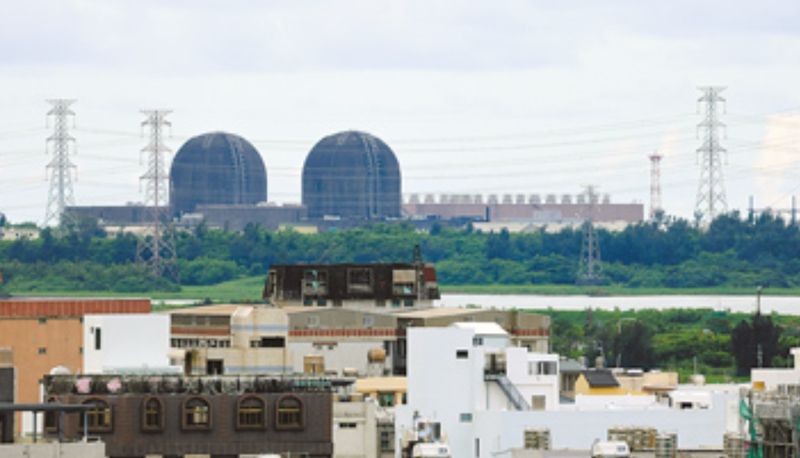
Taiwan entered the so-called “nuclear-free” era in May last year, when the operating license for Unit 2 of the Third Nuclear Power Plant, its last operating nuclear plant, expired. However, as electricity consumption at data centers and advanced semiconductor factories has surged amid the global AI boom, concerns about power supply instability and rising electricity rates have continued to be raised.
This referendum, initiated by opposition parties led by the Kuomintang, the largest opposition party, won voters’ support by putting forward the argument that restarting nuclear plants was necessary to secure stable baseload power and meet carbon-neutrality targets. The ruling camp and anti-nuclear groups, meanwhile, voiced opposition, citing Taiwan’s seismic risks, safety concerns at aging nuclear plants, and the lack of plans for radioactive waste disposal, but were unable to sway voters.
Under Article 30 of the Referendum Act, the government is legally and politically obligated to implement measures related to proposals that pass. As a result, the ruling Democratic Progressive Party and the government of Lai Ching-te, which have maintained a nuclear phaseout stance for more than a decade, now face pressure to make a sweeping revision to energy policy.
Earlier, on the 22nd of last month, the Presidential Office, in a briefing by spokesperson Kuo Ya-hui, reaffirmed President Lai’s basic principle that “no energy option is ruled out without ideological bias.” However, the office has maintained that three “essential conditions” must be met before nuclear plants can be restarted: guaranteed safety, a viable solution for handling nuclear waste, and broad social consensus.
Going forward, discussions are expected to intensify in Taiwan’s executive branch and Legislative Yuan (the equivalent of South Korea’s National Assembly) on follow-up legislation and safety reviews concerning procedures to extend the operating lives of, and restart, nuclear plants that have been shut down.
[email protected] Kim Jun-seok Reporter