How Do You Get the Hang of a New Job? ... An Executive Earns an Excavator License [A Worker’s Weekend Bookshelf]
- Input
- 2026-11-28 10:00:00
- Updated
- 2026-11-28 10:00:07
To move a workstation, you first need to see where machined parts go. Even if one process speeds up, parts will pile up in between if the next process cannot handle the increased volume. The people who work there every day know best where queues often form in front of workstations and which aisles they have to go back and forth along to move parts.
For example, if you take over the monthly results tally at an office, make a table using the previous month’s raw data and put it alongside the table submitted by your predecessor. If the totals differ, first pinpoint which transactions account for the discrepancy. Asking the sales team and your predecessor whether a transaction was left out of the tally or recorded in a different month reveals the department’s tallying criteria.
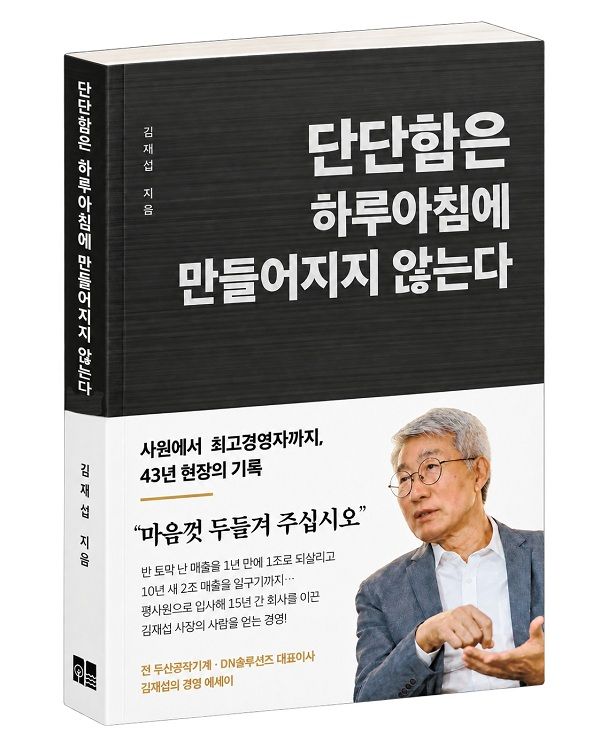
At this point, also find out who makes corrections if figures change just before a deadline and which department gets the revised version. Compiling the figures once using actual records brings up questions that may not have occurred to you while listening to your predecessor’s explanation.■Decisions made after trying it yourselfWhen replacing equipment, you should first look at the circumstances at the factory where it will be used. After becoming responsible for the business, Kim Jae-seop tried to look at the production line first whenever he visited a customer. He wrote that for nearly 15 years, until stepping away from day-to-day business operations in 2023, he set aside a day almost every week to meet customers.
He offered one customer the chance to use a new machine tool worth several hundred million won free of charge for three months. The customer would decide whether to buy it after seeing how it performed on its own production line. He added that if problems arose or its productivity fell short of the existing equipment, he would take the machine back and his company would bear the risks of the trial run.
This anecdote appears in Chapter 1 of the book, “Giving Up on Winning at Management.” When proposing a new procedure at work, it is also worth agreeing with colleagues in advance about which task to try it on first and what problems would mean going back to the old way. Kim Jae-seop’s reflections prompt readers to consider whom to learn from when taking on a new job and what evidence to use when deciding to change how work is done.
In the book’s final chapter, the author wrote that he wanted to leave for the next person what he had seen and which choices had helped. When a procedure has been used for a long time, it is easy to forget the circumstances behind the original decision to do things that way. When handing over work, add a line to the handover materials explaining why the work has been done in that order.
[email protected] Jang In-seo Reporter