Swatch and Richemont Set Their Sights on 007's Wrist... How Luxury Capital Buys Culture and the Arts [Park Ji-hyun's Art World]
- Input
- 2026-11-28 04:04:33
- Updated
- 2026-11-28 04:04:33
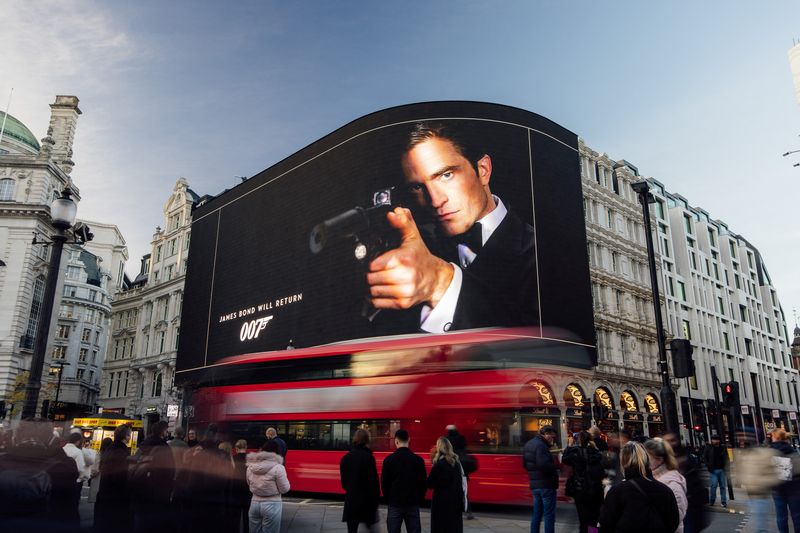
[Financial News] A silent war has broken out between the two global Swiss luxury watchmaking giants over the wrist of the next James Bond. The battle began after US-based Amazon MGM Studios chose actor Robert Pattinson to star in a new 007 series on the 16th (local time). According to The Wall Street Journal (WSJ) and other major international news outlets, a tense rivalry is playing out between Omega (Swatch Group), which has been the sole watch on James Bond's wrist for 31 years since GoldenEye in 1995, and Jaeger-LeCoultre (Richemont), which signed Pattinson as a global ambassador last September.
This 'wrist war' is not simply a fight over product placement (PPL) in a movie. It is a symbolic glimpse of the cutting edge of the 'Culture Collaboration' economy, in which luxury and global consumer-goods capital joins forces with cultural and artistic intellectual property (IP)—in film, OTT, art and performance—to generate enormous added value in an era when traditional advertising has lost its effectiveness.
■ A proxy war on 007's wrist... evolving into 'narrative integration' and direct investment in IP
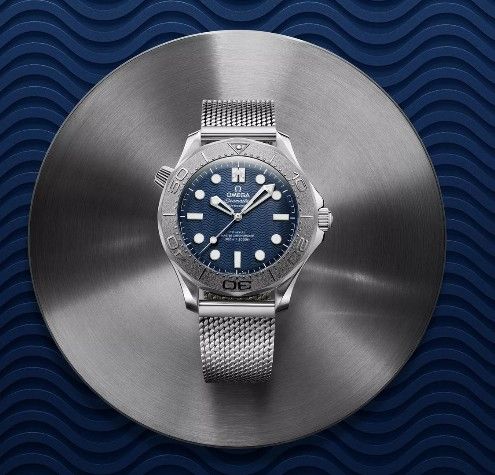
The heart of the latest 007 watch controversy is that the boundaries of brand exposure have expanded entirely beyond the screen. Even if Swatch Group pays a hefty fee to ensure Pattinson wears an Omega Seamaster in the film itself, Richemont could capture enormous publicity benefits and dilute Omega's exclusive image simply by having Pattinson wear Jaeger-LeCoultre on the red carpet, during global promotions and in his daily life. In fact, immediately after the announcement that Pattinson had been cast as James Bond, Jaeger-LeCoultre swiftly capitalized on the windfall by posting three consecutive photos of him wearing its watches on its official Instagram account without directly mentioning 007.
The luxury industry's focus on the stories of characters and actors stems from the fact that overt product placement no longer persuades consumers. In the global content market, 'narrative integration'—in which brands represent the social class and worldview depicted in a work—has recently become the norm. A prime example is the HBO series Succession, which put Loro Piana at the forefront of a worldwide 'quiet luxury' boom. Going a step further, Saint Laurent, part of Kering, has directly established a film production company, Saint Laurent Productions, and invested in films competing at the Cannes Film Festival. Luxury houses are evolving to the point of owning and producing cultural and artistic IP themselves.
■ Luxury capital expands its reach into South Korean art, performance and K-content
The expansion of global luxury capital into culture and the arts is unfolding particularly dynamically in the South Korean market, where major houses such as Chanel, Hermès and Louis Vuitton continue to post sales of around 1 trillion won despite a global economic slowdown. Each sector also has a clear purpose and formula for generating returns.
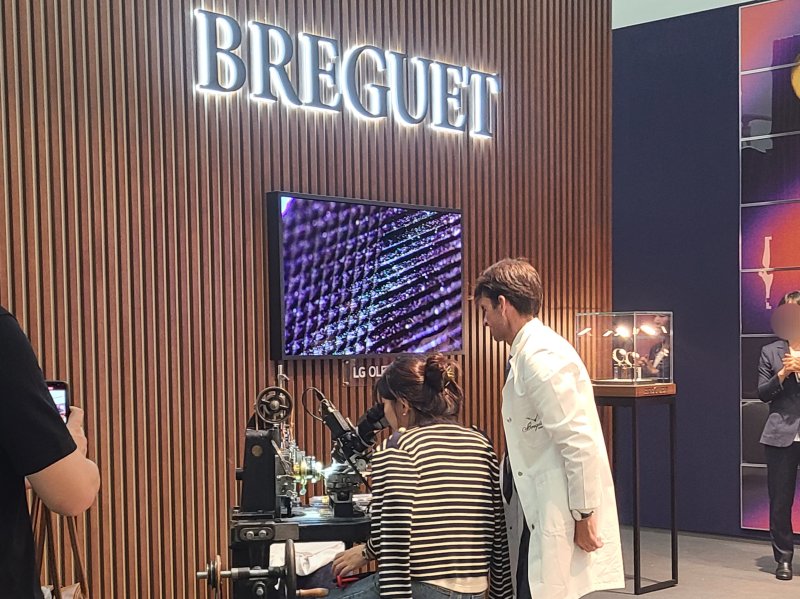
First, the domestic art scene is a key stage for retaining ultra-high-net-worth individuals (VVIPs) and justifying 'pricing power.' At Frieze Seoul and Kiaf SEOUL, which draw at least 70,000 visitors each year, Swiss high-end watch brand Breguet operated a VIP lounge from 2022 to 2024, demonstrating its artisans' techniques. Chanel, Louis Vuitton and Saint Laurent also held large-scale exhibitions and private dinners each September to coincide with Frieze Week. Chanel's mid- to long-term sponsorship of the Leeum Museum of Art (the 'Idea Museum') and free exhibitions of master artists at Espace Louis Vuitton in Cheongdam-dong follow the same logic. By elevating products from mere luxury goods to 'works of art worth collecting,' this sophisticated branding strategy lowers consumer resistance to the annual price increases.
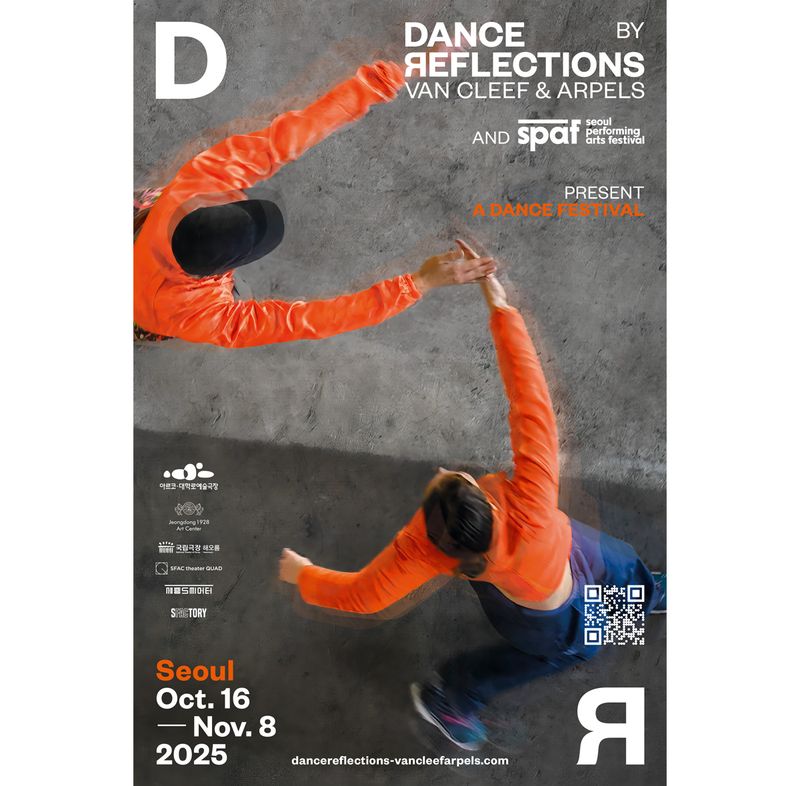
The performing arts serve as a channel for precisely targeting high-income audiences in their 30s to 50s with proven purchasing power. Last October and November, high-jewelry brand Van Cleef & Arpels held its global cultural sponsorship program, the Dance Reflections festival, in Seoul and introduced world-renowned contemporary dance works to South Korea in partnership with the Seoul Performing Arts Festival (SPAF), the National Theater of Korea, Sejong Center for the Performing Arts and others. Rather than marketing to an unspecified mass audience, the strategy builds loyalty among performance-goers who closely match the brand's core target audience.
K-content is a market that promises the most immediate sales surges and global reach. The Bulgari wedding ring worn by the lead character in the drama Queen of Tears sparked a sellout rush soon after the show aired and drove actual sales, while sales of the white Vans slip-ons featured in season one of Squid Game soared 7,800% shortly after its release.
According to Launchmetrics, a US marketing analytics firm specializing in fashion, lifestyle and beauty, K-pop global ambassadors such as BLACKPINK and BTS generate MIV ranging from several million dollars to as much as tens of millions of dollars per artist each time they attend overseas fashion weeks, driving sales growth worldwide and beyond Asia.
■ The 'Culture Collaboration' economy, proven by the numbers... perfect symbiosis amid crisis
The union of luxury and culture and the arts is a key factor that affects not only corporate image but also business performance and survival. According to WSJ, Omega's annual watch sales fell from 730,000 in 2017 to 460,000 last year. Omega accounts for about half of the total operating profit of its parent company, Swatch Group. Since sales of related models remained 30–40% higher than before a 007 film's release even two years after it came out in the past, preserving the 007 partnership is a matter of survival for Swatch Group.
Ultimately, this vast trend—from 007's wrist to South Korean art museums and performance venues, and on to K-content—is the result of structural symbiosis, not a passing fad. The culture, arts and content sectors, facing chronic funding shortages because production costs have skyrocketed, urgently need stable sponsorship and investment from luxury capital. Conversely, in an era of consumer 'ad-skipping,' the luxury industry needs authentic cultural contexts that can justify the scarcity and price of its products. The landscape of the 'art-luxury economy,' in which capital buys art's aura and art secures its sustainability through capital, is expected to become ever more sophisticated and fiercely contested.
[email protected] Park Ji-hyun Reporter