COP31 Ends 'Empty-Handed' for First Time in 17 Years... Antalya Pact Scuttled Over One Word: 'Fossil Fuels' [Lee You-beom's Eco & Energy]
- Input
- 2026-11-28 06:00:00
- Updated
- 2026-11-28 06:00:16
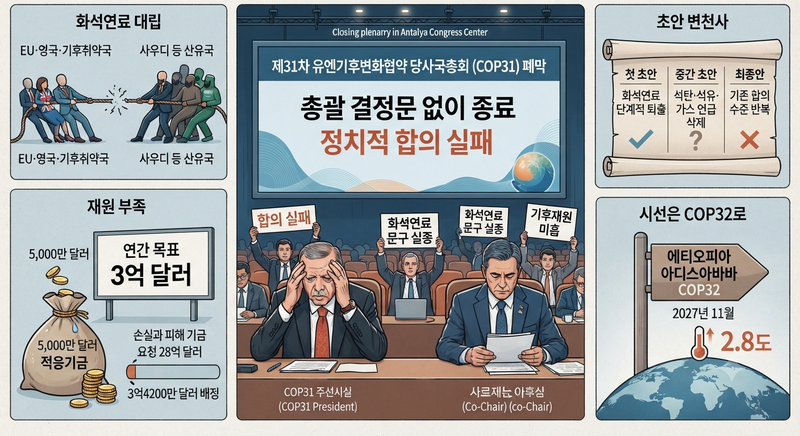
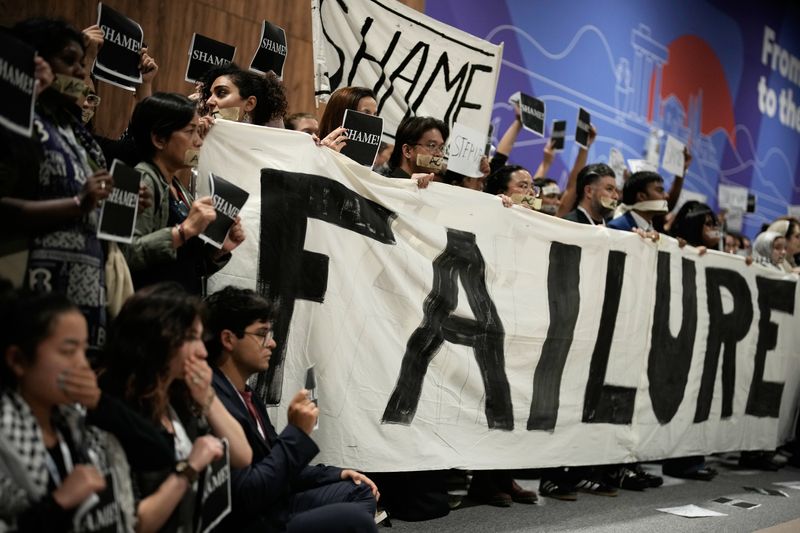
[Financial News] The 31st session of the United Nations Framework Convention on Climate Change Conference of the Parties (COP31) ended without an overarching decision after a standoff over wording on fossil fuels. It was the first time in 17 years that a UN climate summit had ended without an overall political agreement, since the 2009 Copenhagen conference (COP15) in Denmark.
According to foreign media and the Ministry of Climate, Energy and Environment, among others, COP31 opened on the 9th in Antalya, Türkiye, and was originally scheduled to close on the 20th. After negotiations were extended by two days, it ended at around 7:33 p.m. on the 22nd local time (1:33 a.m. on the 23rd in Korea). It set a record as the longest summit ever, surpassing the 2019 Madrid conference (COP25) in Spain. The overarching decision prepared by Türkiye, the host country, and Australia, the country presiding over the negotiations, was called the 'Antalya Pact.' It could not be adopted because some parties opposed it. UN climate summits proceed by consensus rather than a vote, so a document cannot be adopted if even one country explicitly objects. The United States did not participate in these negotiations, as the Donald Trump administration withdrew from international climate cooperation.
■ 'Coal, Oil and Gas' Disappeared as the Draft Was Revised Four Times
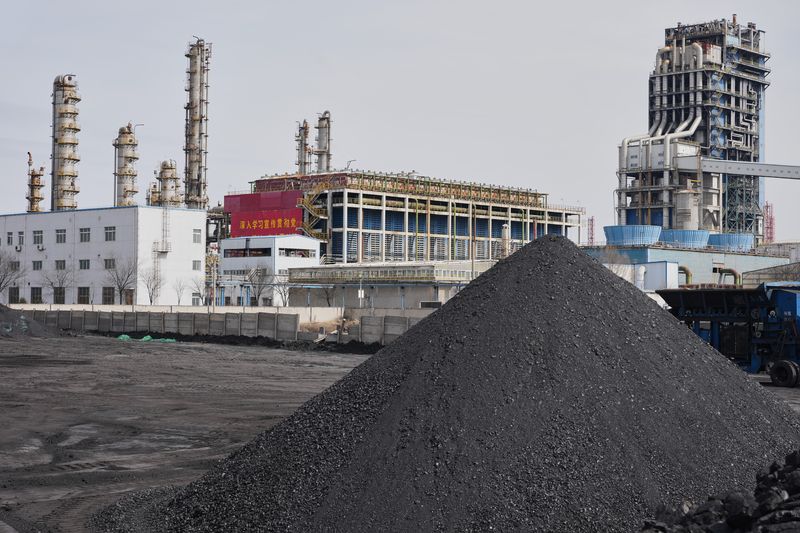
The wording on fossil fuels was what derailed the negotiations. The presiding team put forward four drafts during the summit. The first included 'accelerating the phaseout of fossil fuels,' but after opposition from oil-producing countries such as Saudi Arabia, all mentions of coal, oil and gas were removed from later drafts, while the role of carbon capture and storage (CCS) technology grew. The final draft acknowledged that global warming would exceed 1.5 degrees and called for increased carbon removal, but on fossil fuels it did no more than refer to the 'transition away from fossil fuels' agreed at an earlier summit. Saudi Arabia opposed the phaseout wording, saying CCS was one of several ways to reduce emissions.
The European Union (EU), the United Kingdom, Norway and climate-vulnerable countries including Panama, the Marshall Islands, Vanuatu and Belize objected, saying they could not accept a document that did not even mention fossil fuels. Ireland's climate minister, Darragh O'Brien, who spoke on behalf of the EU, criticized some oil-producing countries for taking control of the summit. Climate news outlet Carbon Brief counted at least 32 countries as having voiced opposition at the closing plenary. South Korea and Japan also stated that no agreement had been reached. China and Ghana, meanwhile, expressed concerns but supported the draft.
Around 130 countries wanted wording on fossil fuels, but many developing countries among them considered securing funding a more urgent priority and did not oppose the final draft. With priorities divided even among countries pushing for emissions cuts, they failed to muster enough support to overcome opposition from oil-producing nations. Chris Bowen, the chair of the negotiations and Australia's minister for climate change and energy, said the parties had ultimately failed to narrow their irreconcilable differences, citing the consensus-based process and heightened geopolitical tensions. Simon Stiell, the UNFCCC Executive Secretary, also acknowledged that progress in the two weeks of negotiations had been limited.
■ The 'Tripling' of Adaptation Finance Receded to 'Discussion,' With No Figure
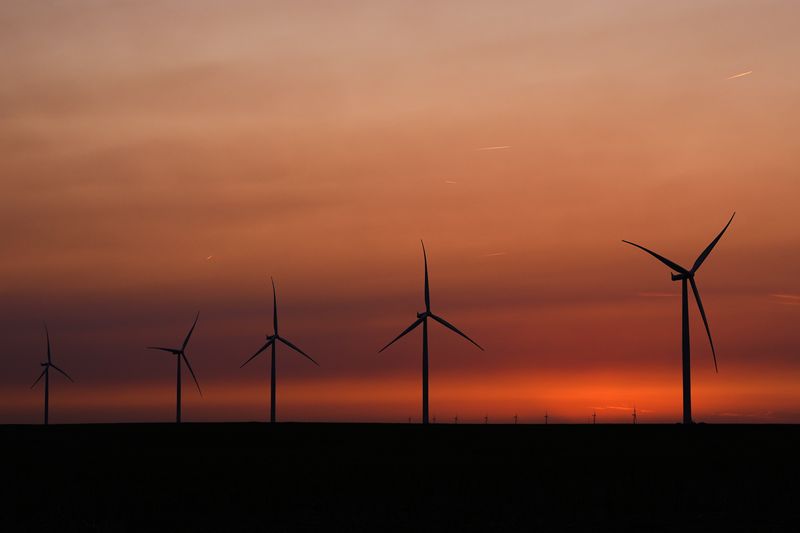
Developing countries also saw no progress on the funding they had hoped for. The target of '$120 billion in adaptation finance by 2035,' demanded by the least developed countries and included in the first draft, was dropped from the final version. All that remained was wording to 'discuss' a pathway to triple adaptation finance. The parties also failed to set a baseline for the tripling of adaptation finance promised at last year's COP30 in Belém, Brazil. No concrete rules were produced for implementing the annual $300 billion climate-finance target set at the 2024 COP29 in Baku, Azerbaijan.
The funding that did come in was also limited. The Adaptation Fund raised just $50 million, far short of its annual target of $300 million, while the amounts pledged to existing funds such as the Global Environment Facility (GEF) totaled around $200 million. No new money came in for the Pacific Resilience Facility for Pacific island countries. The Loss and Damage Fund received 176 requests from 119 developing countries for around $2.8 billion, but only $342 million was allocated. The Mitigation Work Programme, which discusses ways to implement emissions cuts, was not extended due to opposition from Russia and Saudi Arabia.
Türkiye, the host country, said it secured investment agreements and plans worth $26 billion during the summit, including a preliminary $15 billion renewable-energy deal with China. However, much of this was still at a preliminary stage, and it remains to be seen whether it will lead to actual investment.
■ Technical Decisions on Just Transition and Adaptation Indicators Survived
Although the overarching decision fell through, some of the more than 160 technical agenda items were adopted as separate decisions. The parties agreed on arrangements for workers, local communities and others to participate in the Just Transition Mechanism, which aims to help workers and communities transition away from the fossil fuel industry. Countries are to submit their views by March 15, 2027; operational details will be refined at a meeting in Bonn, Germany, next June, with formal agreement scheduled for COP32. A dedicated body will refine the 59 indicators for the Global Goal on Adaptation (GGA), established at COP30, by October 2027. The parties also agreed to allocate Adaptation Fund resources by region rather than distinguishing between developed and developing countries. None of these decisions, however, will mobilize new funding.
The host country's flagship '35 by 35' electrification target was also left out of the decision. It called for electricity's share of global final energy consumption to rise from around 23% today to 35% by 2035. Although more than 75 countries supported it, the target will be pursued separately as a voluntary pledge. It did not require electricity to be generated from clean energy. The COP28 agreement on a 'transition away from fossil fuels,' reached in Dubai in 2023, and the Paris Agreement framework itself remain in effect.
■ Unresolved Issues Carry Over to COP32 in Ethiopia
The unresolved issues of fossil fuels, adaptation finance and climate finance will carry over to COP32, which will be held in Addis Ababa, Ethiopia, from November 8 to 19, 2027. According to UN analysis, under current policies global temperatures will rise by around 2.8 degrees by 2100. Even if all countries meet their 2035 nationally determined contributions (NDCs), global emissions would fall by only 6–9% from 2019 levels. With international agreement stalled, how fully each country implements its own emissions-reduction policies has become the remaining variable for meeting the 1.5-degree target.
According to figures from the Foreign Ministry, more than 100,000 people attended the summit, the largest number ever. South Korea's chief delegate was Climate Minister Kim Sunghwan, with Foreign Ministry Climate Change Ambassador Gyeon Jong-ho serving as alternate chief delegate. Kang Kum-sil, the global climate and environment ambassador, attended the leaders' summit as a special envoy of the president and outlined a vision for transforming the country into an 'electrified nation' through industrial electrification and the expansion of renewable energy and power grids. Minister Kim said, 'It is deeply regrettable that we were unable to adopt the overarching decision,' adding, 'Building on the K-GX Strategy, we will accelerate the green transition in industry and energy and deliver tangible emissions reductions through cooperation with the international community.'
[email protected] Lee You-beom Reporter