Interior Ministry to Strengthen Local Tax Arrears Management, Develop Standard Models for Local Governments Next Year
- Input
- 2026-11-27 12:56:53
- Updated
- 2026-11-27 12:56:53
[Financial News] The Ministry of the Interior and Safety will develop standard models for different types of local governments next year, drawing on the results of the Local Tax Revenue Delinquency Management Teams, whose operations were expanded nationwide this year. It plans to overhaul the work system, from selecting delinquent taxpayers for investigation to collection and follow-up measures such as suspending collection, and support efforts to secure dedicated public officials.
The ministry said on the 27th that it had held the “2026 Local Tax Revenue Delinquency Management Team Workshop” on the 26th at the Korea Technology Finance Corporation in Busan, with around 300 attendees, including local government tax officials and field survey officers from across the country.
The Local Tax Revenue Delinquency Management Teams visit delinquent taxpayers in person to assess their living circumstances and ability to pay, and connect them with tax collection or welfare support.
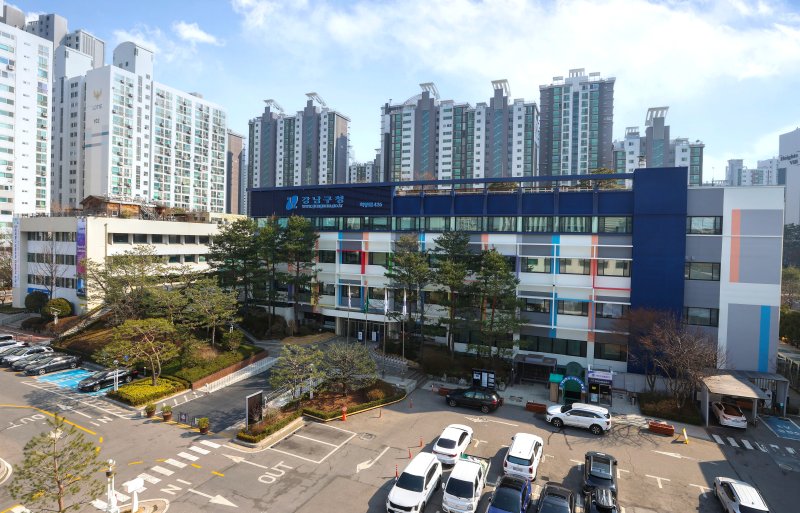
At the workshop, where 16 cities and provinces from across the country presented best practices, Gangnam-gu in Seoul won the grand prize. Haeundae-gu in Busan, Incheon's city government headquarters and Seohae-gu, and Hanam in Gyeonggi Province won top excellence awards; five places, including Jeju Province, received excellence awards; and seven, including Jinju in South Gyeongsang Province, received merit awards.
Gangnam-gu set up a dedicated team called “Sejeong Donghaengdan” and introduced a system for booking visits in advance using QR codes and KakaoTalk. Through these efforts, it collected 1.2 billion won in arrears and connected 27 delinquent taxpayers facing financial hardship with welfare services at neighborhood community service centers.
Incheon City built a system that allows field inspection results to be entered on mobile devices. Seohae-gu used artificial intelligence (AI) to develop a route management system for field visits without additional budget spending.
Jeju Province increased its delinquency management staff to 29 and expanded the scope of its work to include small tax arrears and non-tax revenue, collecting 2.5 billion won. It also identified 13 delinquent taxpayers facing financial hardship.
The city of Cheongju in North Chungcheong Province identified delinquent taxpayers who were deliberately evading tax payments through field inspections and began searching their homes. It collected 19 million won in arrears in just four hours after deploying staff.
The ministry plans to share best practices identified at the workshop with local governments nationwide and develop ways to operate delinquency management teams that reflect local conditions.
Minister of the Interior and Safety Yun Ho-jung said, “The greatest achievement of the delinquency management teams this year is not only increased tax revenue, but also confirming that field-centered tax collection administration can realize both values of fairness and welfare.” He added, “Building on the first year's results and field experience, in 2027 we will work to establish a warm and seamless tax administration model that the public can trust more and experience firsthand.”
[email protected] Lee Bomi Reporter