AI to Analyze 112 Emergency Calls and Detect Risks Early; Police Push to Build a 45.7 Billion Won System
- Input
- 2026-11-27 13:55:29
- Updated
- 2026-11-27 13:55:29
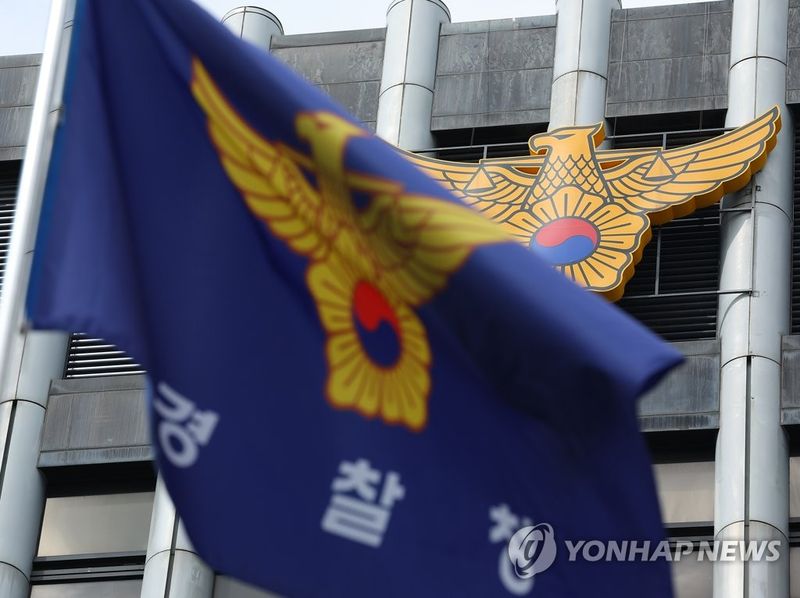
[Financial News] Police are stepping up efforts to build a system that uses artificial intelligence (AI) to analyze 112 emergency calls in real time and detect risk factors early. The plan is to upgrade the entire 112 response system, from analyzing reports and assessing situations to responding and directing operations at the scene.
According to the National Police Agency on the 27th, police held a kickoff meeting on the 25th for the AI-Based Next-Generation 112 System Task Force (TF). Chaired by Kang Sang-gil, acting head of the Public Safety Intelligence Bureau (formerly the public safety situation management officer), the meeting discussed the project’s direction, annual implementation plans and ways to connect related systems.
Police plan to invest a total of 45.7 billion won in the project over three years, from next year through 2029. The annual allocations are 13.6 billion won next year, 21.8 billion won in 2028 and 10.3 billion won in 2029. Next year’s project budget has been included in the government’s budget proposal and is under review by the National Assembly.
Police previously commissioned related research in October last year and secured 460 million won in December of that year to develop an Information Strategy Plan (ISP). The ISP was developed from March through August this year.
Through the next-generation 112 system, police plan to enable real-time analysis of emergency calls, early detection of risk factors, more comprehensive situation analysis and faster decision-making. To that end, they are discussing ways to connect the system with the Korea Information System of Criminal Justice Services (KICS), as well as systems related to traffic, disaster response, the National Fire Agency (NFA), the Korea Coast Guard (KCG), and interpretation and translation. Data on buildings, locations, maps, vehicles, crime and risks are also slated for integration.
Over the medium to long term, police are also exploring links with various public safety technologies that are already in operation or are being developed or pursued. These include precision search equipment for emergency rescue, body cameras, patrol-car cameras, drones and AI patrol cars, as well as patrol robots, a next-generation intelligent patrol platform and a next-generation integrated support platform for missing children and related cases.
Police plan to develop ways to link individual research and development (R&D) and IT projects in a phased and stable manner through additional research, securing budget and revising relevant regulations. They plan to begin work on the project in the first quarter of next year, after selecting a contractor.
Meanwhile, President Lee Jae-myung urged police at a ceremony marking the 81st Police Day on the 21st of last month to speed up development of an AI-based next-generation 112 system so they can quickly identify urgent situations among the approximately 18 million 112 calls received each year.
[email protected] Kim Ye-ji Reporter