Jeju Wage Arrears at 18.3 Billion Won... Local Governments to Begin Direct Labor Inspections on December 8
- Input
- 2026-11-27 09:04:57
- Updated
- 2026-11-27 09:04:57
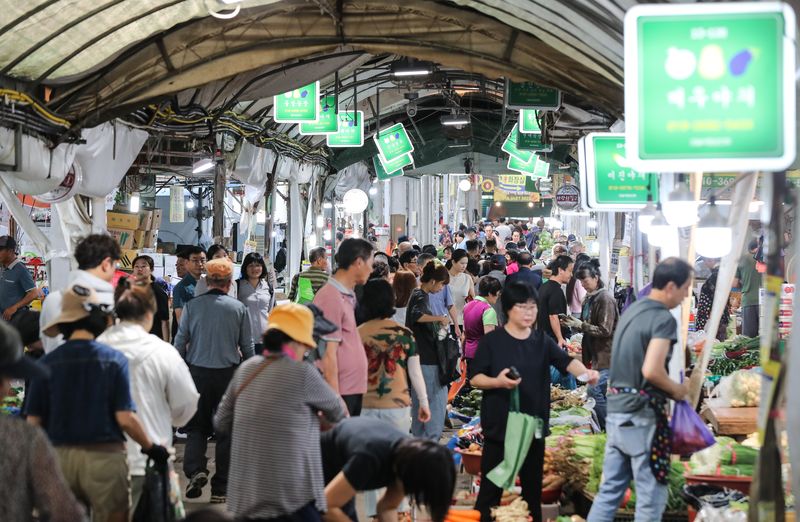
【Financial News Jeju = Reporter Jeong Yong-bok】 Jeju Province will directly take part in labor inspections beginning December 8, ending 73 years of inspections being handled exclusively by the central government. With wage arrears in the Jeju region reaching 18.3 billion won from January to September this year, the province will focus on compliance with labor laws in the wholesale, retail and restaurant industries, as well as industrial safety in sectors such as lodging and livestock farming.
According to the Ministry of Employment and Labor on the 27th, in line with the Act on the Performance of Duties by Labor Inspectors taking effect on December 8, inspection authority over 332 workplaces with fewer than 30 regular employees will be delegated to five local governments: Jeju, Seoul, Jeonnam-Gwangju, Gyeonggi and Gyeongnam.
The ministry will hold the second National Labor Inspection Council meeting in writing that day and discuss inspection targets and priority areas for each local government.
Thirty local labor inspectors from the five local governments will conduct pilot inspections from December 8 through the end of April next year. Starting in April next year, the remaining local governments are also expected to take part, bringing the number of local labor inspectors active nationwide to around 500.
This marks a structural change in labor administration, as local governments join the enforcement of workplace labor laws, which the central government had handled exclusively since the Labor Standards Act was enacted in 1953.
Jeju’s priority inspection areas were selected to reflect the region’s industrial structure and patterns of wage arrears and workplace accidents. In the area of labor standards, inspections will focus on the wholesale, retail and restaurant industries, where violations of basic labor rules, including wage arrears, are common. In industrial safety, priority will be given to industries with frequent accidents, including lodging, construction materials and machinery rentals, and livestock farming.
Jeju has a high proportion of service businesses linked to tourism and small workplaces. Improving working conditions at small businesses is important not only for protecting workers’ rights but also for securing a stable workforce for local industries.
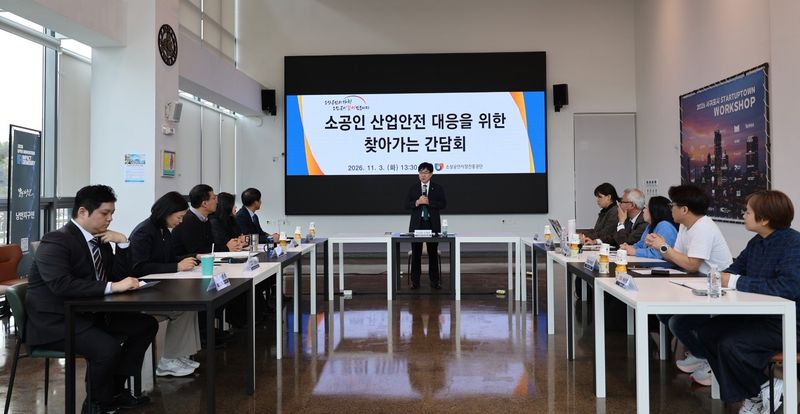
According to wage-arrears statistics on the Ministry of Employment and Labor’s labor portal, 18.3 billion won in wage arrears in the Jeju region was confirmed this year from January to September following investigations into reported cases. Nationwide, wage arrears totaled 1.3433 trillion won during the same period, with 159,848 workers affected.
By workplace size, wage arrears totaled 455 billion won at workplaces with fewer than five employees and 551.4 billion won at those with five to 29 employees. A total of 74.9% of wage arrears was concentrated at workplaces with fewer than 30 employees, which may be eligible for delegated local labor inspections.
Jeju has a particularly high proportion of these small workplaces. According to Ministry of Employment and Labor statistics released last October by the Labor Inspection Policy Team of Jeju Province’s labor safety inspectors, as of the end of 2024, 29,666 of the 30,507 workplaces in the province subject to labor-inspection guidance and checks had fewer than 30 employees, accounting for 97.2% of the total.
These workplaces employed 136,496 people, or 63.8% of the 214,088 workers at all workplaces subject to inspection. However, inspection authority over every workplace in the province with fewer than 30 employees will not be transferred to Jeju Province. Only some inspection authority will be delegated for workplaces selected in advance through consultation between the central and local governments.
Local labor inspectors will visit the workplaces assigned to them to check compliance with labor laws on wages, working hours, the minimum wage, and occupational safety and health, and will carry out corrective measures and investigations into violations.
Article 28 of the Act on the Performance of Duties by Labor Inspectors stipulates that local labor inspectors may exercise the powers of central labor inspectors and judicial police officers within the authority delegated to them and their jurisdiction. They will be empowered not only to conduct on-site workplace inspections and demand corrections for legal violations, but also to investigate labor-law violation cases within the scope of their delegation.
As before, the relevant regional employment and labor office will handle reported cases brought by individual workers, including petitions or criminal complaints over unpaid wages. Work related to the Serious Accidents Punishment Act will also be excluded from the matters delegated to local governments.
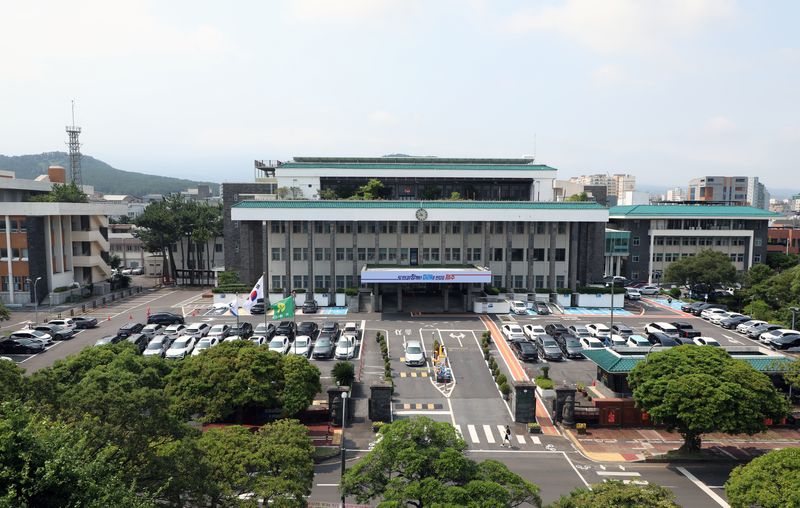
Jeju has prepared to take on delegated labor-inspection authority ahead of other local governments. On January 30, it signed a memorandum of understanding with the Ministry of Employment and Labor on delegating labor-inspection authority and establishing a system to prevent workplace safety risks. Then, on August 25, it became the first local government in the country to establish a dedicated labor inspection unit, the Labor Safety Inspectorate.
A labor-inspection system covering labor standards and industrial safety was established around three teams: the Labor Inspection Policy Team, the Labor Inspection Team and the Industrial Safety Inspection Team. In September and October, the province jointly inspected lodging and restaurant businesses with the Ministry of Employment and Labor to check for wage arrears and compliance with the minimum wage. It also conducted industrial safety inspections at distribution businesses using forklifts and ready-mix concrete production sites.
Although Jeju established its dedicated unit ahead of other regions, recruiting specialized personnel remains a challenge. The province sought to hire five specialists in labor administration and industrial safety, but only one candidate, in the general machinery field of industrial safety, passed the final selection process. It was unable to fill three positions in labor administration and one in electrical safety.
It is important to secure personnel with relevant experience, as they will be responsible for expert interpretation of labor laws, investigations into wage arrears, assessment of hazards at industrial sites and investigative work.
The government plans to deploy central labor inspectors and provide investigative support through regional employment and labor offices, as well as guidance and advice from prosecutors, to ensure the professionalism and fairness of local labor inspections.
Since the same labor laws apply nationwide, the government will also focus on reducing regional disparities in inspection standards and establishing a support system to prevent small businesses from violating the law.
Kim Do-hyung, director of the Labor Inspection Policy Division at the Ministry of Employment and Labor, emphasized, “December 8 marks the first day local governments join in labor inspections, which had been handled solely by the central government. We will provide extensive mentoring and on-site support, and work together to ensure inspections help small-business owners with prevention and labor management.”
[email protected] Jeong Yong-bok Reporter