U.S. Average Tariff Rate to Reach 13.9% if New Tariffs Take Effect—Back to the Level Before Reciprocal Tariffs Were Struck Down
- Input
- 2026-11-27 06:36:48
- Updated
- 2026-11-27 06:36:48
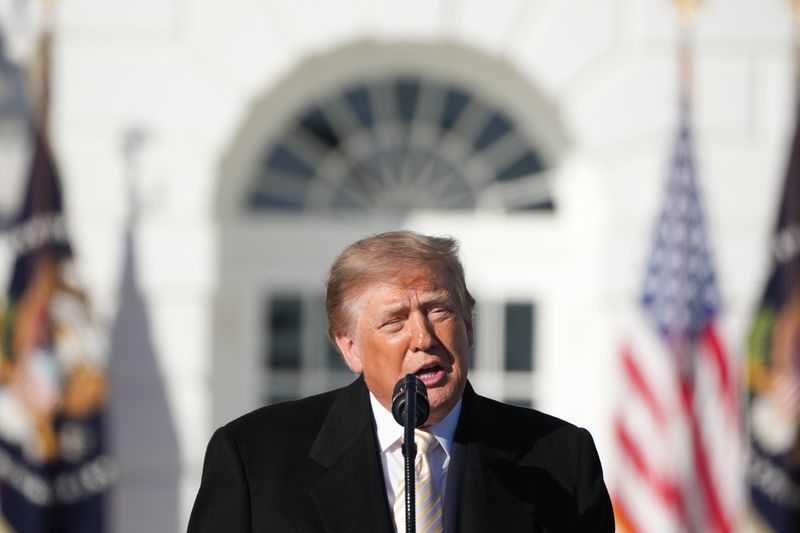
[Financial News] An analysis has found that if the new tariffs the Trump administration is pursuing on the grounds of industrial overcapacity take effect, the U.S. average tariff rate will return to the level it was at before the Supreme Court’s ruling invalidating reciprocal tariffs last February.
According to the Budget Lab at Yale University in the United States on the 26th (local time), the U.S. average effective tariff rate is estimated to rise from the current 11.2% to 13.9% if the tariff plan announced by the Trump administration the previous day takes effect.
That would be nearly the same as the average tariff rate early this year, 13.8%, just before the Supreme Court invalidated President Trump’s reciprocal tariffs imposed under the International Emergency Economic Powers Act (IEEPA) in February.
The Trump administration announced the previous day that it planned to impose additional tariffs on 14 economies, including China, South Korea, Japan and the European Union (EU), based on the findings of an investigation into industrial overcapacity under Section 301 of the Trade Act of 1974.
The plan would maintain the existing “15% cap” under trade agreements for South Korea, Japan and the European Union (EU), while applying a 20% rate to China.
The Yale Budget Lab said, “The administration has said it would use Section 301 to rebuild the IEEPA tariff regime, and this proposal would achieve that goal overall.”
The lab estimated that even without factoring in the new tariffs targeting overcapacity, current tariff policy alone would ultimately raise the U.S. consumer price level by about 0.6%.
It estimated that the resulting annual cost burden would amount to about $900 (about 1.2 million won) per U.S. household.
Tariff revenue for the U.S. government over the next 10 years under current tariff policy is projected to reach about $1.7 trillion (about 2,286 trillion won).
In April last year, President Trump began pursuing a high-tariff policy, including imposing reciprocal tariffs on trading partners around the world under IEEPA.
However, the Supreme Court invalidated the reciprocal tariffs in February, ruling in a 6–3 decision that IEEPA does not grant the president the authority to impose tariffs.
In response, President Trump immediately announced a measure imposing a 10% global tariff for 150 days under Section 122 of the Trade Act of 1974, while also moving to rebuild the tariff regime using other legal authorities, including Section 301 of the Trade Act of 1974 and Section 232 of the Trade Expansion Act of 1962.
In July, as the deadline for the global tariffs approached, the Trump administration imposed forced-labor tariffs of 10% to 12.5% on 60 economies under Section 301 of the Trade Act of 1974. It has now proposed additional tariffs on the grounds of industrial overcapacity.
[email protected] Lee Seok-woo, International Affairs Correspondent Reporter