[Editorial] Rate Raised to 3.25%; Closely Monitor Vulnerable Groups and Marginal Firms
- Input
- 2026-11-26 18:38:04
- Updated
- 2026-11-26 18:38:04
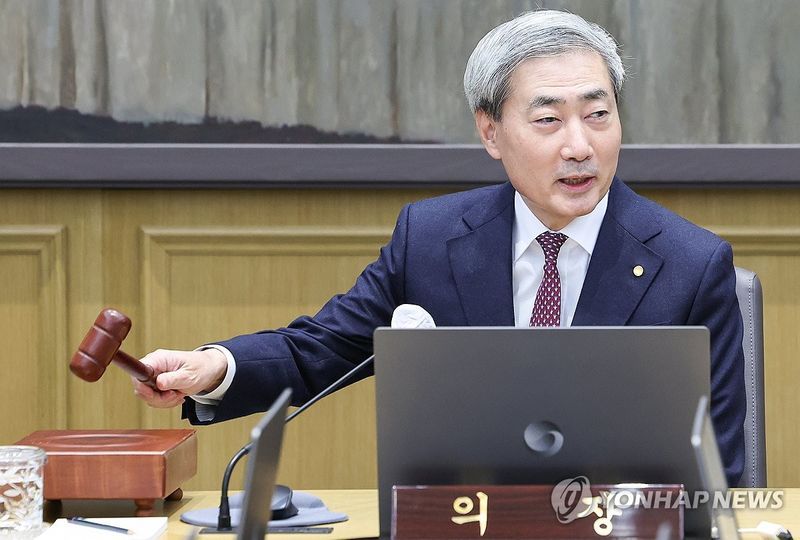
The case for a rate hike can be found in the macroeconomic indicators. The BOK raised its growth forecast for this year from 3.3% to 3.9% and its forecast for next year from 2.9% to 4.1%. Real GDP in the third quarter grew 3.4% from a year earlier, exceeding the previous forecast of 2.6%. The consumer price inflation rate in October was 2.8%, 0.8 percentage point above the 2% inflation target. Some analyses suggest that without the oil price cap introduced in March, inflation would have reached the mid-3% range.
External conditions are also challenging. The United States Department of Commerce’s Bureau of Economic Analysis (BEA) announced on the 25th (local time) that the core personal consumption expenditures (PCE) price index for October rose 3.3% from a year earlier. The annualized growth rate for the third quarter was revised up to 4.3%. These figures strengthen the case for a December rate hike by the Federal Reserve System (Fed). The BOK’s hike narrowed the gap between South Korean and U.S. policy rates to 0.75 percentage point, but it will widen again if the Fed raises rates in December. That could put pressure on the exchange rate. Even so, South Korea should not follow the United States mechanically. Domestic inflation must remain at the center of its decision-making.
There are also concerns that interest costs could derail the recovery. The BOK estimates that a 0.5-percentage-point increase in the base rate would raise annual interest payments by 340,000 won per borrower, or 6.7 trillion won in total. Private consumption fell in the third quarter for the first time since the COVID-19 pandemic, stoking concern. This signals that growth, led by semiconductors, is not spreading its benefits to domestic demand.
Even so, if high inflation becomes entrenched, real incomes will fall and the burden on ordinary people will grow. Now, while growth is solid, is the time when there is room to adjust interest rates. If the opportunity is missed, policy credibility will be shaken and the eventual cost will rise. Fiscal policy is the variable that will determine the effectiveness of the rate hike. If the BOK tightens the money supply while the government increases spending, monetary and fiscal policy will work at cross purposes. The cost of the oil price cap also remains a burden on the budget.
Ensuring that the burden of higher interest rates does not fall disproportionately on vulnerable groups is also a priority. At the end of September, variable-rate loans accounted for 57.8% of household loans and 72.2% of corporate loans, measured by outstanding balances. Borrowers with variable-rate loans who have borrowed to the hilt to invest in stocks, along with marginal firms unable to cover even their interest payments with operating profits, may be the first to buckle. The government had disbursed about 14 trillion won in inclusive-finance support through the five largest banks by the end of the first half of this year, but the real impact matters more than the headline amount.
Across-the-board support can encourage moral hazard and undermine fairness for borrowers who repay diligently. The shock of higher rates spreading to vulnerable groups must be contained through targeted support. Businesses and individuals that can recover should be helped through loan extensions and interest-rate adjustments; those that cannot should be wound down in an orderly manner.
The government should review the spending priorities for next year’s budget and promptly establish precise criteria for determining who qualifies for support. Financial institutions should distinguish viable borrowers from unviable ones and take an active role in debt restructuring. It is time for monetary, fiscal and financial policy to move in the same direction to reduce the harmful effects of high interest rates.