U.S. Threatens 40% Tariffs if Talks Collapse ... A Bargaining Tactic for December's Miami Summit
- Input
- 2026-11-26 16:02:35
- Updated
- 2026-11-26 16:02:35
[Financial News] After an investigation under Section 301 of the Trade Act, the U.S. announced on the 25th (local time) that it would impose tariffs targeting overcapacity on 14 economies, including South Korea, and proposed a 20% tariff on China over overcapacity. It also said it would impose a 40% tariff if China failed to reach a deal to extend the trade truce.
The two countries have extended the trade truce through January 10 next year and are preparing for their fourth summit this year, to be held in December in Miami, Florida, on the occasion of the Group of Twenty (G20) Summit.
The U.S. announcement may look like a new trade pressure tactic, but in reality it is largely a reshuffling of existing tariffs under a different legal basis, within the tariff ceiling previously agreed by the U.S. and China. As a result, its practical impact on bilateral relations and trade is likely to be limited.
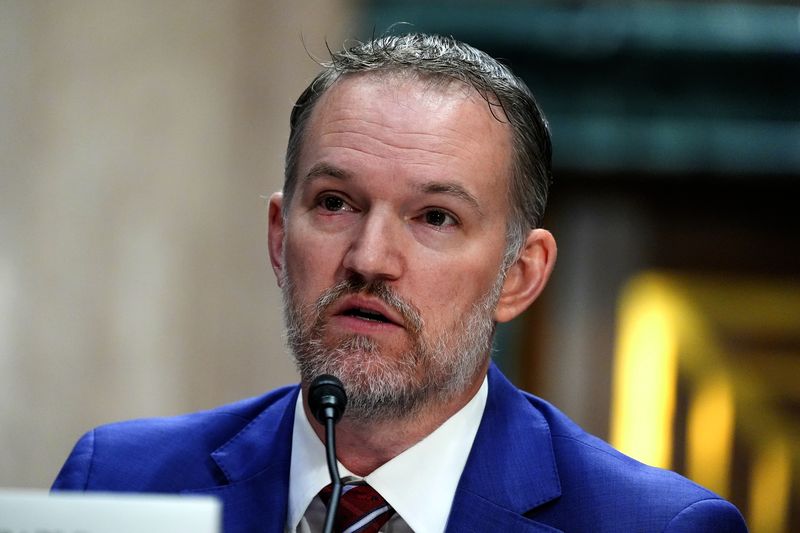
Jamieson Greer, the U.S. trade representative, explained in an interview with CNBC that the measure would not apply to items for which tariff cuts are being pursued by the U.S.-China Trade Committee, and that it was being taken within the framework already agreed with China. “If the tariff rate goes above 20%, China will consider that a breach of the agreement,” he said, suggesting that the measure falls within a ceiling agreed in advance.
Experts said, “The likelihood of China retaliating is low because the U.S. has not violated its agreement on the 20% ceiling.” They also assessed, “For now, the 40% figure the U.S. side said could be reached if trade negotiations collapse is more of a threat.”
Andrew Bishop of Signum Global Advisors predicted that this would not adversely affect U.S.-China talks on the sidelines of next month's Miami G20 Summit.
However, it could become a source of tension at next month's U.S.-China summit. The two leaders are expected to try to demonstrate their leverage over each other as the January expiration of the trade-truce agreement approaches.
Meanwhile, the U.S. and China are also pursuing practical cooperation to manage tensions and maintain trade. Despite uncertainty over legal tools such as Sections 301 and 338 of the Trade Act, the two countries launched a trade committee in September and exchanged lists of tariff cuts on non-sensitive goods worth up to $30 billion each.
Earlier, under a trade agreement reached by U.S. and Chinese leaders in Busan in October last year, the U.S. agreed to cap additional tariffs at 20%. Last month, it extended the agreement by two months.
After the measure was announced, the Chinese Embassy in the U.S. criticized the proposed tariffs, saying, “Overcapacity is nothing but a political pretext with no substance.”
[email protected] Lee Seok-woo, international affairs specialist Reporter