Japan Expresses Regret to U.S. Over Additional Tariffs Despite 'No Overproduction'
- Input
- 2026-11-26 15:27:16
- Updated
- 2026-11-26 15:27:16
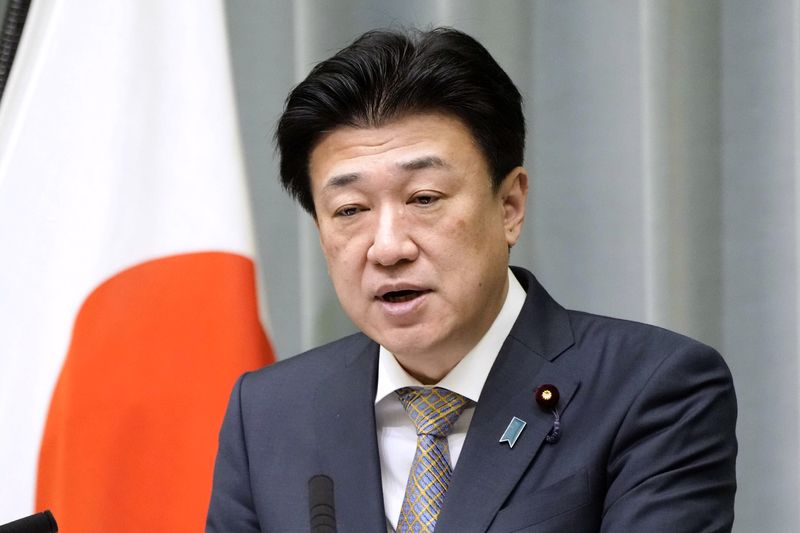
【Financial News, Tokyo = Seo Hye-jin, correspondent】On the 26th, the Japanese government expressed regret over the U.S. proposal for additional tariffs, saying, “There is no structural overproduction in Japan.”
According to NHK, The Nikkei and other outlets, Japanese Chief Cabinet Secretary Minoru Kihara said at a press conference that day that he had conveyed this position to the U.S., calling the USTR's proposal for additional tariffs “regrettable.”
He countered that structural overproduction, which the U.S. cited as grounds for imposing tariffs, “does not exist in Japan.”
On the 25th (local time), the USTR announced a plan to impose additional tariffs on 14 countries and regions, including Japan, South Korea, China and the European Union (EU). The reason given was that industrial support, such as subsidies from each country, had caused overproduction and exports, harming U.S. manufacturing. The USTR cited Section 301 of the Trade Act of 1974, which authorizes retaliatory measures against unfair trade.
While opposing the rationale for imposing tariffs, the Japanese government said it was significant that the rates remained within the scope of the existing agreement. Kihara said, “We have repeatedly confirmed that no additional tariffs exceeding the agreement would be imposed, and that point is reflected in this proposed measure.”
In July last year, Japan agreed to set a 15% ceiling on tariff rates in exchange for investment and loans in the U.S. However, the tariffs lost effect after the U.S. Supreme Court ruled in February this year that the “reciprocal tariffs” based on the International Emergency Economic Powers Act (IEEPA) were unlawful.
After that, the U.S. imposed separate tariffs last July, citing inadequate import restrictions on goods made with forced labor. Japan currently faces a 12.5% rate, including the existing tariff rate. If the proposal takes effect, the rate will rise to a maximum of 15%, returning to the level before the ruling that invalidated the reciprocal tariffs.
The new tariffs would cover a broad range of goods, including medical devices, alcoholic beverages and electronic components. They would not be applied on top of separate product-specific tariffs on goods such as automobiles, steel and aluminum. The USTR will accept comments through January 5 next year and hold a public hearing in the second half of that month before deciding on a final proposal. No effective date has been set.
The measure leaves the immediate tariff cap in place, but increases pressure on Japan's industrial policy and investment in the U.S.
The USTR determined that financial support for Japan's automobile, steel and semiconductor industries, among other things, had driven overproduction and exports.
According to The Nikkei, the USTR also cited an investment plan totaling at least 370 trillion yen across 17 strategic fields, including artificial intelligence (AI), being pursued by the cabinet of TAKAICHI Sanae. In other words, the U.S. singled out as a potential source of harm to its manufacturing sector policies Japan had presented as a way to secure future growth drivers.
The USTR also said it was considering raising tariff rates to as high as 20% if it determined that Japan had not sufficiently fulfilled its commitments, including investment and loans in the U.S. In effect, it retained a means of pressuring Japan to carry out its investments while keeping the 15% cap in place. Kihara stressed that Japan was fulfilling the agreement and said it would continue communicating with the U.S.
[email protected] Seo Hye-jin Reporter