KOFR Marks Fifth Anniversary of Publication... Use Expands Beyond ETFs and Bonds to Corporate Loans
- Input
- 2026-11-26 14:21:36
- Updated
- 2026-11-26 14:21:36
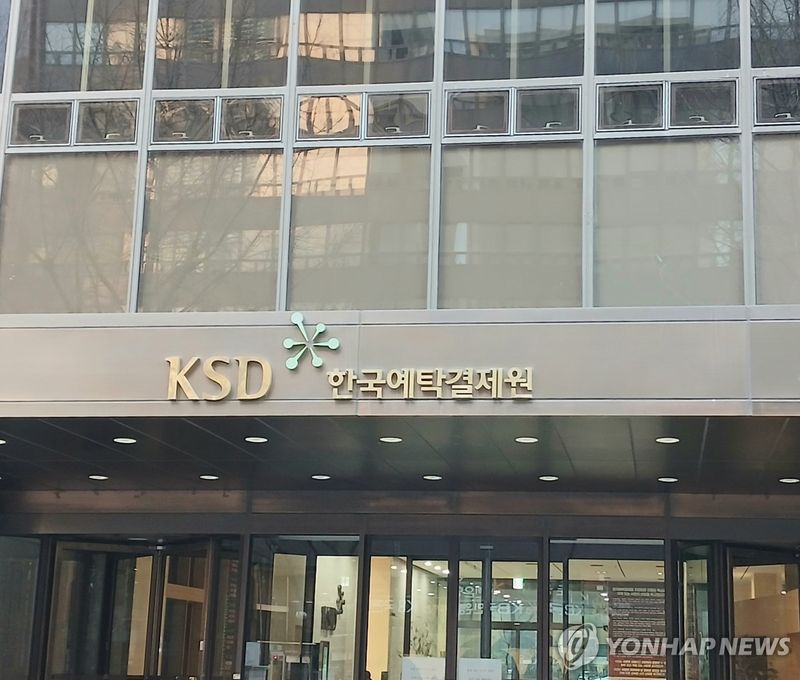
[Financial News] Five years after its introduction, the Korea Overnight Financing Repo Rate (KOFR) is expanding its use beyond exchange-traded funds (ETFs), derivatives and bonds to corporate loans. As financial authorities push to shift the benchmark rate system away from the existing certificate of deposit (CD) rate and toward KOFR, the market for related financial products is also expanding.
According to the Korea Securities Depository (KSD) on the 26th, KOFR had operated for a total of 1,228 days from its initial calculation and publication on November 26, 2021, through that day without a single calculation error or revised publication.
KOFR is a rate calculated based on overnight repurchase agreement (RP) transactions collateralized by government bonds and Monetary Stabilization Bonds. Following the 2012 London Interbank Offered Rate (LIBOR) rate manipulation scandal, concerns were raised about the reliability of existing quote-based benchmark rates, prompting efforts to develop a transaction-based risk-free benchmark rate.
The market for KOFR-linked financial products is also growing. As of the end of October, five KOFR-linked ETFs had a combined size of 6.9 trillion won, while floating-rate notes (FRNs) totaled 28 trillion won. As of the end of September, KOFR-based interest rate swaps (OIS) totaled 492 trillion won. At the end of last month, Korea Development Bank (KDB) and Industrial Bank of Korea launched KOFR-linked loan products worth a combined 1 trillion won.
Financial authorities have been implementing administrative guidance since July last year to promote KOFR-based interest rate swap transactions. They also applied it to floating-rate notes starting in July this year. They are pushing to shift to a KOFR-centered benchmark rate system, including removing the CD yield’s designation as an important benchmark rate in 2030.
The KSD is also strengthening its infrastructure to expand the use of KOFR. After introducing a floating-rate bond rate calculator service in July last year, it has also been providing a five-day average KOFR rate since this month.
Next year, the KSD plans to advance the calculation model for term KOFR, prepare a pilot calculation system, and overhaul the information-use licensing system, among other initiatives.
“The market’s trust, built over the past five years through calculation and publication without the slightest error, is KOFR’s greatest asset,” said Lee Yun-su, president of the Korea Securities Depository. “I will actively support KOFR in firmly establishing itself as the leading benchmark rate in Korea’s financial market and becoming a foundation of unwavering trust.”
[email protected] Bae Han-geul Reporter