'Special Recruitment of Dismissed Teachers': Busan Superintendent of Education Kim Seok-jun’s Acquittal Finalized... Supreme Court: 'No Misinterpretation of Law on Abuse of Authority'
- Input
- 2026-11-26 11:18:12
- Updated
- 2026-11-26 11:18:12
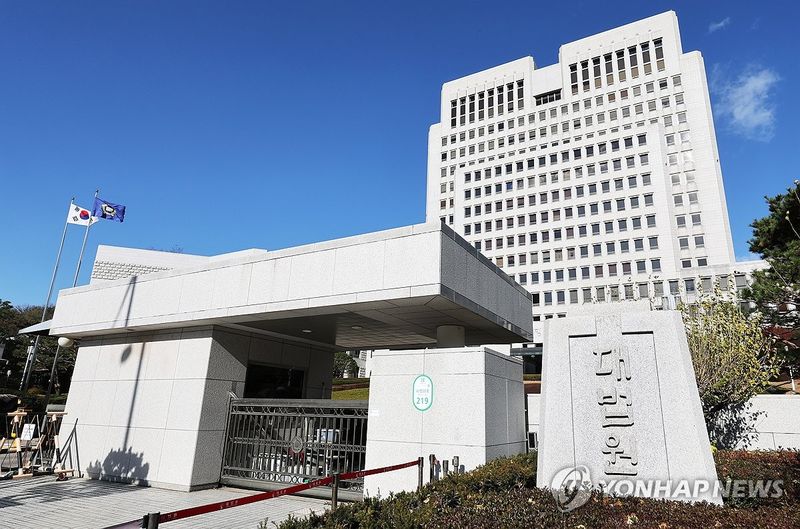
The Supreme Court’s First Division, with Justice Shin Sook-hee as the presiding justice, on the morning of the 26th rejected the prosecutor’s appeal in the case against Superintendent Kim, who was indicted on charges of abuse of authority and obstruction of the exercise of rights and violating the State Public Officials Act, and upheld the lower court’s acquittal. At the first trial, Busan District Court Judge Shim Jae-nam sentenced him on December 12 last year to eight months in prison, suspended for two years. But on appeal, Busan District Court’s Criminal Division 4-3, presided over by Judge Kim Do-gyun, overturned that ruling and acquitted him on the 20th of last August.
Kim was accused of abusing the superintendent’s authority to appoint teachers by making staff responsible for special recruitment draft and approve official documents, among other things, and having them carry out a special recruitment process presented as an open competitive examination. This allegedly made them do things they were not obligated to do and improperly influenced the appointment of public education officials.
The four teachers hired were secondary school teachers affiliated with the KTU Busan chapter. They had been dismissed following a disciplinary committee’s decision after each was sentenced by Busan District Court in February 2009 to 10 months in prison, suspended for two years, for opening “Unification School” and teaching from materials containing content from North Korean history books.
According to the indictment, Kim instructed the director of the education bureau in September 2018 to consider specially hiring the teachers. Education supervisors were advised by legal counsel that limiting eligibility solely to dismissed teachers connected with Unification School could violate the Public Educational Officials Act. The supervisor in charge submitted a draft plan defining eligible candidates as “those who left service (through dismissal, removal from office, honorary retirement, etc.) in connection with educational activities while in service.” At Kim’s instruction, the plan was amended to say “those who had been dismissed” and approved. Only the four teachers submitted applications after the position was announced.
There were four issues: whether these four were the only people who could have applied for the special recruitment; whether Kim abused his authority to make personnel officials do things they were not obligated to do; whether he acted intentionally; and whether the purpose and manner of exercising his authority went so far that they could not be considered part of the proper performance of his duties.
The first trial found him guilty, on the premise that special recruitment, too, had to be conducted through competition among multiple people who met the same requirements.
The appellate court reached a different conclusion. It found that the purpose of the special recruitment was legitimate and that Kim had exercised his authority to appoint teachers in compliance with the requirements and procedures set out in relevant laws and regulations, making it difficult to conclude that he had abused his authority to an extent warranting criminal punishment. It also said that there appeared to have been at least five other people eligible for the special recruitment, and that it was difficult to conclude that it required open competition on the scale of regular hiring.
The appellate court also rejected the allegation that Kim had made others do things they were not obligated to do. Officials had held internal discussions and followed the procedures required by law, while the recruitment process appeared to have proceeded according to customary practice under the judgment and direction of working-level staff. The court said this was insufficient to conclude that Kim knew he was forcing them to do things they were not obligated to do. For the same reason, it acquitted him of violating the State Public Officials Act.
The Supreme Court agreed with this assessment. The justices ruled, “The lower court did not violate the rules of logic and experience or exceed the limits of the principle of free evaluation of evidence, nor did it err by misunderstanding the legal principles concerning abuse of authority under the crime of obstruction of the exercise of rights by abuse of authority, ‘causing someone to do something they are not obligated to do,’ intent, or the elements of the crime of violating the State Public Officials Act.”
[email protected] Kim Dong-gyu Reporter