Japan's NTT DoCoMo to Raise Rates for First Time in 33 Years of Mobile Service, Affecting All Subscribers
- Input
- 2026-11-26 13:33:10
- Updated
- 2026-11-26 13:33:10
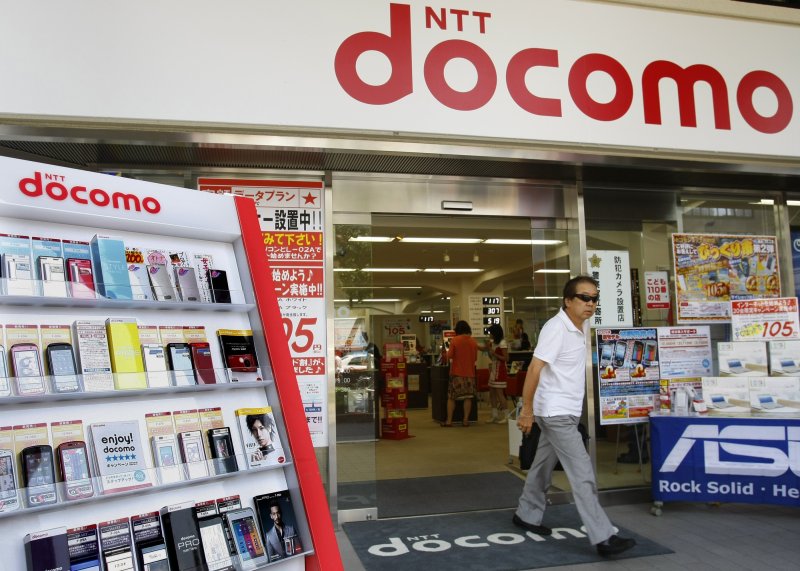
Rather than launching new, higher-priced plans, NTT DoCoMo is raising prices on more than 50 plans that subscribers already use. This is the first time in 33 years, since it launched mobile services in 1993, that NTT DoCoMo has applied a rate increase to all subscribers, including those on existing plans.
Since the start of the year, telecom operators in major countries including the United States, the United Kingdom, Australia and France have also been raising wired and wireless rates one after another. They face the combined pressure of recovering investment in 5G mobile networks, rising electricity and labor costs, and investment in next-generation networks and artificial intelligence (AI) infrastructure.
By contrast, South Korea's telecom industry recognizes the need to adjust rates but can only fret, constrained by the government's policy of lowering household telecom costs.
According to telecom industry sources and local Japanese media on the 26th, NTT DoCoMo will raise the monthly fees for more than 50 existing plans by 110–550 yen (about 929–4,642 won) starting December 1. The increase will affect at least 30 million subscribers, or about 75% of its total subscribers.
NTT DoCoMo to raise rates for all subscribers for the first time in 33 years since launching mobile services
A key feature of the rate increase is that it is not a price adjustment applying only to new subscribers. Users of older plans that are no longer open to new subscribers are also affected.
The lowest monthly charge for Eximo, one of its flagship plans, will rise by 550 yen, from 4,565 yen to 5,115 yen, before discounts. The online-only plan ahamo will also increase by 165 yen, from 2,970 yen to 3,135 yen per month. In return, its data allowance will grow by 10 GB, from 30 GB to 40 GB. The Irumo plan will rise by 110–330 yen a month, while major plans such as the existing 5G Gigaho will increase by 330–550 yen.
NTT DoCoMo cited rising electricity and labor costs and expanded capital investment to improve network quality as reasons for the increase. It aims to secure funds for investment in security measures, network stability and responding to the rapid growth in data traffic.
In a recent earnings announcement, NTT DoCoMo said, “As revenue increases as a result of the rate hikes, we will expand capital investment to improve network quality,” adding, “We will increase our 2027 annual capital investment plan by 43 billion yen, from 857 billion yen (7.2338 trillion won) to 900 billion yen (7.9968 trillion won), and invest in expanding 5G base stations and accelerating the transition to 5G SA (standalone mode).”
Global telecom operators rush to raise wired and wireless rates
Since the start of the year, rate hikes have been seen not only in mobile service but also in home broadband. In its annual price adjustment, which took effect at the end of March this year, the UK's BT raised monthly broadband rates by 4 pounds (about 7,000 won). It also raised mobile rates by 2.5 pounds a month (about 4,340 won), depending on the plan. Vodafone likewise introduced a pricing structure in April that increased home internet rates by 3.5 pounds a month (about 6,157 won) and mobile rates by 2.5 pounds.
In Australia, the country's three major mobile carriers have also raised rates one after another this year. Telstra raised the monthly price of its major postpaid plans by 4 Australian dollars (about 3,567 won) starting in May, while Optus increased prices on some plans by 5 Australian dollars (about 4,459 won).
Germany's Deutsche Telekom also raised monthly fees by 2 euros (about 3,000 won) for some existing broadband subscribers starting in April this year. In France, Orange S.A. increased the data allowance by 70 GB while adding 2 euros a month to some 5G plans.
Experts say the wave of rate increases by telecom operators around the world signals that the telecom industry's revenue model has hit its limits.
Although telecom operators have invested vast sums in building 5G networks, rising data traffic has not translated into higher revenue per subscriber. Costs to maintain and upgrade networks continue to climb as electricity and labor costs, equipment prices and spectrum fees rise. New investment needs, including AI data centers (AIDCs) and sixth-generation (6G) networks, are also adding to telecom operators' financial burden.
South Korean carriers agree that rates need adjusting to expand investment, but can only fret under government policy
South Korean telecom companies, too, share the global operators' view that rates need to be adjusted to fund 5G upgrades, expanded investment in next-generation infrastructure such as AIDCs, and upgrades to broadband networks. Investment needs to increase, but because greater data use is linked to higher telecom revenue, it is difficult to secure funding for new investment under the existing rate structure.
However, with strong policy pressure from the government to ease the burden of household telecom costs still in place, the industry can only fret, unable even to speak up about adjusting rates.
A professor at a South Korean university specializing in telecom policy emphasized, “The reality of South Korea's telecom industry is that the wired and wireless rate structure set when competition was introduced to the telecom market in the early 1990s has remained in place for 30 years,” adding, “It is time to begin a full-fledged public discussion about how to share the costs of upgrading the country's IT infrastructure, including improving telecom quality and security and investing in 6G and AI infrastructure.”
[email protected] Lee Gu-sun Reporter