“I Had Mine Done Here Too”...Gang Faked 8,400 Plastic Surgery Reviews Using 800 Hacked Accounts
- Input
- 2026-11-26 12:00:00
- Updated
- 2026-11-26 12:00:04
According to police on the 26th, the Seoul Metropolitan Police Agency’s Cyber Investigation Division apprehended and referred to prosecutors a total of 52 people affiliated with four plastic surgery clinics, one advertising agency, two in-house advertising firms, and a hacking group, on suspicion of obstruction of business by interference with computers, etc., and violations of the Act on Promotion of Information and Communications Network Utilization and Information Protection and the Medical Service Act. Two members of the group that sold hacked accounts were referred to prosecutors in custody.
Police said the suspects are accused of buying about 800 portal accounts registered under other people’s names from a Chinese hacking group between August 2021 and this past July and using them to advertise fake reviews. Investigators believe the scheme involved plastic surgery clinics commissioning advertising agencies to write fake reviews or posting them through their own in-house advertising firms.
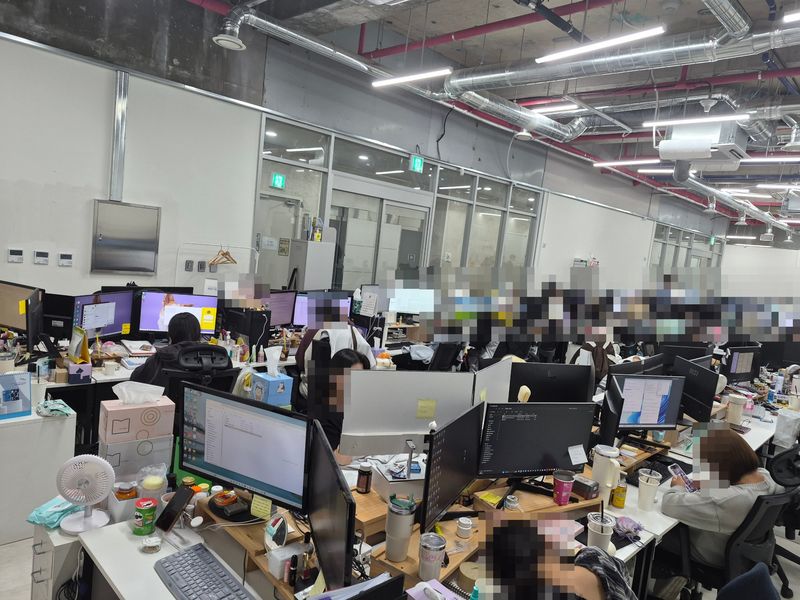
Investigators found that some plastic surgery clinics had set up separate in-house firms dedicated to advertising and hired several dozen people to write fake reviews and comments. Advertising agencies received patients’ surgical information and photos from the clinics and fabricated reviews to make them look as though they had been written by actual patients. The fake reviews and comments they posted on portal forums and beauty and medical information platforms totaled about 8,400.
Investigators also uncovered a transaction chain in which payments were made at each stage, from selling accounts to writing fake reviews. Advertising agencies bought portal accounts from hacking groups for about 30,000 won each, and accounts registered under non-real names for 10,000 won each. Some were then resold to in-house advertising firms run by plastic surgery clinics for around 50,000 won apiece.
Separate rates were set for writing fake reviews. The agencies received 500,000 won per 100 comments and 40,000 won for each review post, while work to secure prominent placement in search results brought in about 5 million won a month, police found.
Police began investigating last December after finding signs that fake plastic surgery reviews had been posted on accounts registered in victims’ names during an investigation into an account-hacking case. By tracing bank accounts and through other inquiries, they later found indications that a hacking group based in Qingdao, China, had sold portal accounts through Telegram. Investigators found that the accounts could be used to join plastic surgery-related forums and that most were registered under women’s names.
Police arrested and detained two Chinese nationals who had transferred proceeds from account sales to a Chinese hacking group. They have also identified the overseas ringleader of the sales operation and plan to request a Red Notice from the International Criminal Police Organization. Investigators are continuing their probe after finding signs that additional companies commissioning fake ads and advertising agencies were involved.
Police asked portal operators and others to delete and block the fake review posts they had identified. They plan to take measures to preserve criminal proceeds for confiscation and collection, while expanding the investigation to cover overseas hacking groups and the account-sale ringleader, as well as additional companies commissioning fake ads and advertising agencies found to be involved.
A police official said, “Fake reviews distort patients’ choices of medical institutions and are a serious crime that creates demand for account theft and sales, fueling criminal activity by hacking groups. We will respond firmly to the practice of medical institutions and advertising companies commissioning and writing fake reviews.”
[email protected] Seo Ji-yoon Reporter