Beyond Funerals to Inheritance and Trusts... The 'Death-Preparation' Market to Grow to 12 Trillion Won by 2030 [fn Market Watch]
- Input
- 2026-11-26 09:02:04
- Updated
- 2026-11-26 09:02:04
According to a report published by Samil PwC on the 26th, titled “The Life Legacy Industry: A Hidden 10 Trillion Won Market,” the domestic life legacy market is estimated to grow from approximately 8 trillion won in 2025 at an average annual rate of 7.8%, reaching approximately 12 trillion won by 2030. The global market is also projected to grow by an average of 8.1% annually over the same period, from $146 billion to $215 billion.
The life legacy industry encompasses preparations spanning life and death, including funerals and burial, inheritance and gifts, trusts, medical and caregiving decisions, digital asset management, memorial content and the return of estates to society.
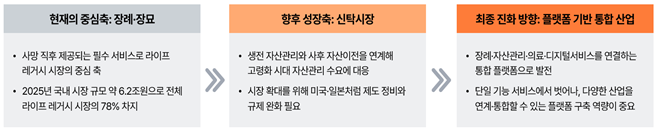
The domestic market is currently led by the funeral and burial industry. As of 2025, the legacy market was worth approximately 6.2 trillion won, nearly 80% of the total. However, the business structure of the traditional funeral industry is also changing as family funerals and no-wake funerals become more common and cremation and natural burials gain widespread acceptance.
Samil PwC highlighted the growth potential of trust services over the medium to long term. Trusts can integrate the management of financial assets and real estate, and testamentary trusts allow people to plan during their lifetimes how their assets will be distributed after death. The report noted that “the ability to manage assets according to objectives set in advance, even if decision-making capacity declines due to dementia or other conditions, is also a factor driving demand for trusts in an aging society.”
Recently, products designed for everyday needs, such as funeral support trusts and pet guardianship trusts, have also emerged. In effect, financial companies’ trust businesses are expanding from traditional asset management into services that manage needs across a person’s entire life.
However, restrictions on the scope of trust assets, regulations on outsourcing trust operations and the lack of a legal framework for managing digital legacies have been identified as obstacles to market growth. Japan has continued to ease regulations related to trusts in response to its aging population, while the domestic market is considered to remain at an early stage.
The report also forecast that “the boundaries between different industries, including funerals and burial, finance, medical care and nursing, and digital asset management, will also break down.” The analysis suggests that an integrated platform connecting asset management during life with the transfer of assets and memorialization after death will determine market competitiveness.
Woo Jin-sik, a managing director in Samil PwC’s real estate division, advised that “companies, too, should go beyond providing individual services and build integrated platforms that support customers from planning during their lifetimes through posthumous management.”
[email protected] Kim Hyeon-jeong Reporter