After Anthropic's IPO Disappoints, Will OpenAI's Be Delayed Further? Kalshi Says 'Not Until the Second Half of Next Year'
- Input
- 2026-11-26 03:05:34
- Updated
- 2026-11-26 03:05:34
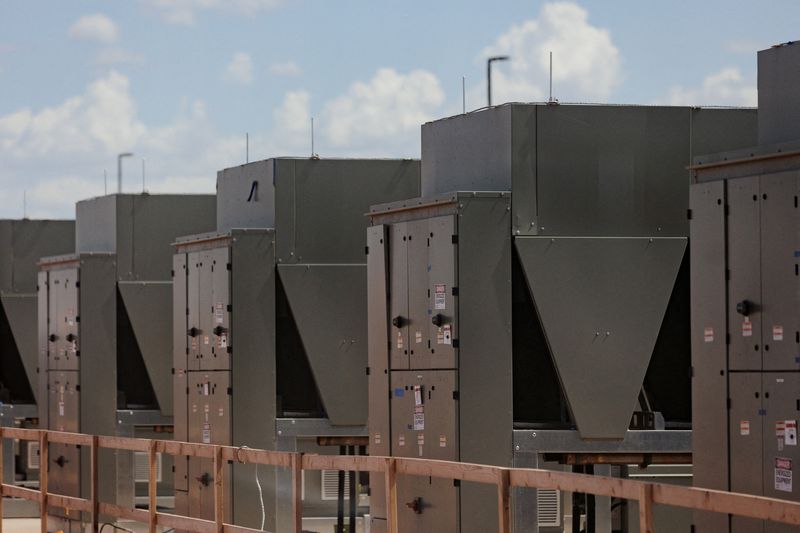
With rival Anthropic's IPO disappointing, expectations are growing that OpenAI's listing will also be delayed.
According to CNBC on the 25th (local time), bettors on prediction market Kalshi put the odds of OpenAI launching an IPO by the end of the first half of next year at about 28%. The odds, which were above 50% until recently, plunged.
The odds that OpenAI would go public by October next year were also put at 50-50.
OpenAI was recently valued at $1.25 trillion (about 1.682 quadrillion won) in a fundraising round.
OpenAI began its journey toward a public listing by filing a confidential IPO registration statement with the U.S. Securities and Exchange Commission (SEC) last June, but is delaying its timeline as market conditions have turned unfavorable amid concerns about investment in AI. In an interview with Fortune last September, CEO Sam Altman ruled out plans to go public this year, citing concerns about AI safety.
By contrast, rival Anthropic pushed ahead with the largest IPO in history on the 19th. It got off to a strong start. Demand was so strong that the company raised its offering price from $81 to $83, and its opening price on the first day of trading reached $111.50, 34.3% above the offering price. After climbing as high as $115.10 during the session, Anthropic ended its first day of trading at $97.17, up 17% from the offering price. However, as the market plunged amid a selloff in Nvidia, the stock subsequently turned lower. On the 24th, Anthropic fell below its $83 offering price. Its shares plunged nearly 30% from their peak.
The market shifted from optimism about AI to concerns about AI.
In particular, Democrats' landslide victory in the midterm elections on the 3rd is weighing on investor sentiment. Republican strongholds, including Texas, have flipped to Democrats, fueling concerns that AI data center construction in those areas will be disrupted. There is also a widespread expectation that discussions on AI regulation and congressional hearings will proliferate once a new federal Congress with a Democratic majority convenes in early January next year.
[email protected] Song Kyung-jae Reporter