U.S. Prices Jump and Growth Tops 4%... Inflation Fears Mount Amid Strong Growth
- Input
- 2026-11-25 23:43:56
- Updated
- 2026-11-25 23:43:56
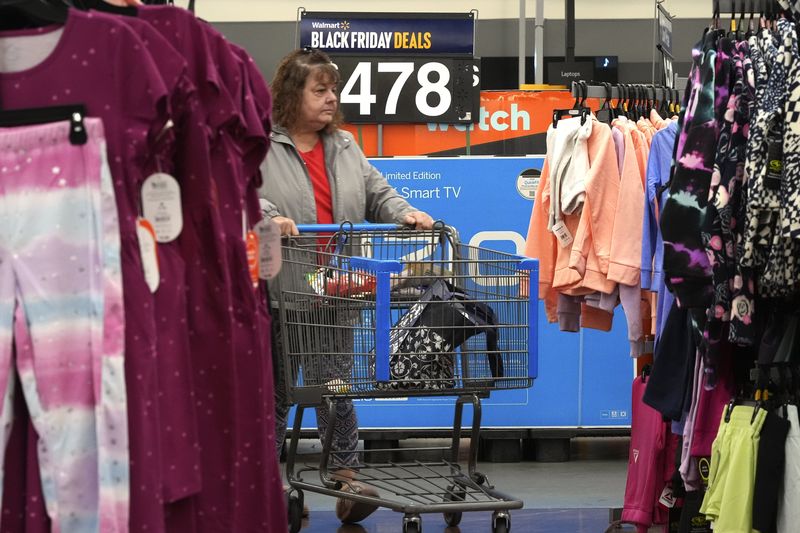
The U.S. Department of Commerce said on the 25th (local time) that the PCE price index rose 3.8% in October from a year earlier. The figure matched market forecasts but was up 0.1 percentage point from the previous month. The core PCE price index, which excludes volatile food and energy prices, rose 3.3%, exceeding the market forecast of 3.2%.
The PCE price index is a key inflation gauge that the Fed considers when setting monetary policy. The U.S. PCE inflation rate has remained above the Fed’s 2% target for about five years and six months.
U.S. economic growth was also stronger than expected. A revised estimate released separately by the U.S. Department of Commerce that day put third-quarter gross domestic product (GDP) growth at an annualized 4.3%. Growth was revised up sharply after figures for investment, consumer spending and government spending were all revised.
Consumer spending, which accounts for about two-thirds of the U.S. economy, rose 4.2% in the third quarter. In particular, real private domestic final purchases, a key indicator the Fed uses to gauge underlying demand in the U.S. economy, surged 5.8%. That was 0.9 percentage point higher than the previous estimate.
The labor market also remained strong. According to the U.S. Department of Labor, initial jobless claims totaled 189,000 in the week ending on the 21st, down 13,000 from the previous week. The figure was below the market forecast of 200,000 and neared its lowest level since the late 1960s.
Concerns are also growing that inflation in the United States could spread beyond rising energy prices and across the broader economy.
U.S. inflation had gradually eased, but surged again as energy prices rose following the U.S. and Israeli attack on Iran in late February. Strong demand driven by the Trump administration’s tariff policies and the buildout of artificial intelligence (AI) infrastructure is also adding to inflationary pressures.
The Trump administration also announced a plan that day to impose new tariffs on 14 trading partners, including China, the European Union (EU) and Japan.
The Fed generally considers price increases caused by tariffs and supply shocks to be temporary. However, some Fed officials are concerned that such shocks could spread across the broader economy and cause inflation to become entrenched.
Markets have effectively priced in a 100% chance that the Fed will raise its benchmark interest rate by 0.25 percentage point at the Federal Open Market Committee (FOMC) meeting on December 8–9.
According to the CME Group’s FedWatch tool, markets expect two additional rate hikes next year. However, the likelihood of three rate hikes next year fell to about 33% from 50% the previous day.
Immediately after the economic data were released that day, futures on major U.S. stock indexes extended their losses, while U.S. Treasury yields fell sharply.
[email protected] Correspondent Lee Byung-chul Reporter