‘High-Protein’ Convenience Store Cookies: Do They Really Help Build Muscle?... Check the Back, Too [Health Talk]
- Input
- 2026-11-26 07:00:00
- Updated
- 2026-11-26 07:00:08
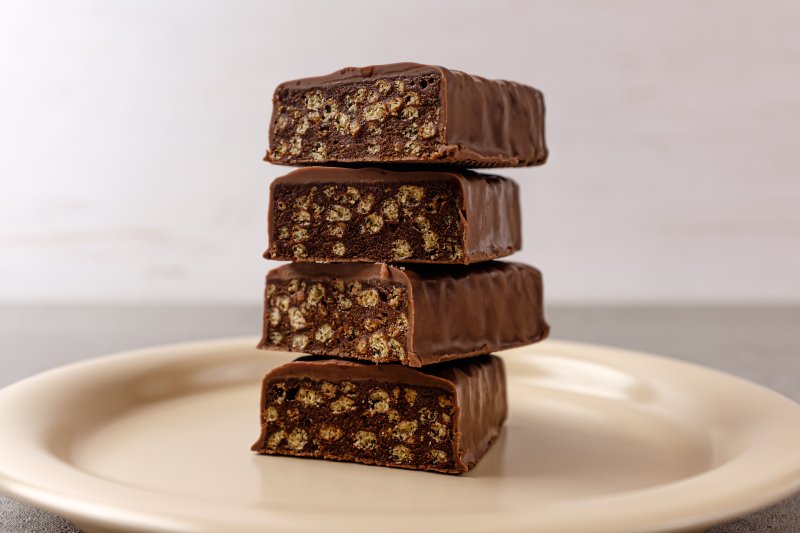
[Financial News] Cookies, chocolate and protein bars touting “high protein” are becoming more common on convenience store shelves. Many people seeking to lose weight or preserve muscle are buying them, but choosing products based only on claims on the front of the package could actually increase their calorie intake.
Even among products containing protein, how much they help maintain muscle or manage weight varies depending on their ingredients and nutritional makeup.
Jeong Seong-u, a surgeon and department chief at Incheon Sejong Hospital’s Bariatric Surgery Center, emphasized, “Protein foods are a convenient way to supplement your nutrition, but the protein content listed on a product is not enough to base your choice on. You should also check what ingredients it uses, how much sugar and fat it contains, and its total calorie count.”
Ingredients and calories matter more than protein content
Protein is a nutrient needed to build and maintain muscles and various other body tissues. The small building blocks that make up proteins are called amino acids. Those that the body cannot produce in sufficient amounts and must therefore get from food are called “essential amino acids.” To maintain and build muscle, it is important to eat high-quality protein that contains enough essential amino acids. Whey protein and casein from milk, as well as soy protein, are among the main sources.
One product to watch is some protein drinks made primarily with collagen. Jeong said, “Collagen is also a protein, so a product may list its protein content, but that is not the same as providing enough amino acids needed to build muscle. If your goal is to manage your muscles, check the ingredients to see whether collagen is the main ingredient or whether it also contains other proteins, such as whey, casein or soy.”
The overall nutritional makeup of snacks containing protein should also be considered. That is because they often contain sugar, syrup, flour, fat and other ingredients to give them the taste and texture of regular snacks.
Jeong explained, “If you keep adding snacks to your usual meals because they contain protein, your daily calorie intake may increase. Even when comparing them with regular snacks, you should look at sugar, fat and total calories as well as protein content.”
You should also check what serving size the nutritional information is based on. For example, if a package contains two servings, check whether the calories listed on the package are for the whole package or just half. If the serving size shown differs from the amount you actually eat, you may underestimate your calorie intake. Make a habit of checking the type of protein in the ingredients list, the protein, sugar, fat and calories in the nutrition information, and comparing the listed serving size with the amount you actually eat.
Supplement in stages after surgery
During weight loss, it is important to consume an appropriate amount of protein so that you do not lose too much muscle. Patients who have undergone bariatric and metabolic surgery in particular need nutritional care tailored to the time since surgery and their recovery, as the amount they can eat is reduced.
Lee Seong-bae, a surgeon who heads Incheon Sejong Hospital’s Bariatric Surgery Center, explained, “After bariatric and metabolic surgery, patients may find it difficult to consume enough protein because they can eat only small amounts at a time. They should supplement any nutritional shortfalls while following a diet suited to their stage of recovery, and determine their intake and appropriate products with guidance from their medical team and dietitian.” He added, “It is important to keep track of muscle mass, dietary intake and nutritional status along with changes in weight. Rather than replacing meals with protein drinks alone, patients should adjust the types and forms of food to suit their stage of recovery.”
For general weight management, the basic approach is to get protein from a variety of foods, including eggs, fish, lean meat, tofu, milk and dairy products. After surgery, however, it may be difficult to meet protein needs through food alone, so protein products can be used as a supplement.
Jeong said, “For healthy weight management, you should consume protein and other nutrients in a balanced way and also consider your overall food intake and activity level. The priority is to identify which nutrients are lacking in your diet and then supplement them with the necessary foods.” He added, “Rather than looking only at the ‘high protein’ claim on the front of a product, please carefully check the ingredients list and nutrition information on the back. Patients who have undergone bariatric and metabolic surgery should choose products according to their stage of eating after surgery and individual nutritional status, rather than applying the usual criteria for choosing diet foods.”
[email protected] Jung Myeong-jin, Medical Correspondent Reporter