From Monet’s Sunset to Giacometti’s Bronze Forest... ‘The Birth of Modern Art’ [fn Art Snap]
- Input
- 2026-11-26 07:00:00
- Updated
- 2026-11-26 07:00:06
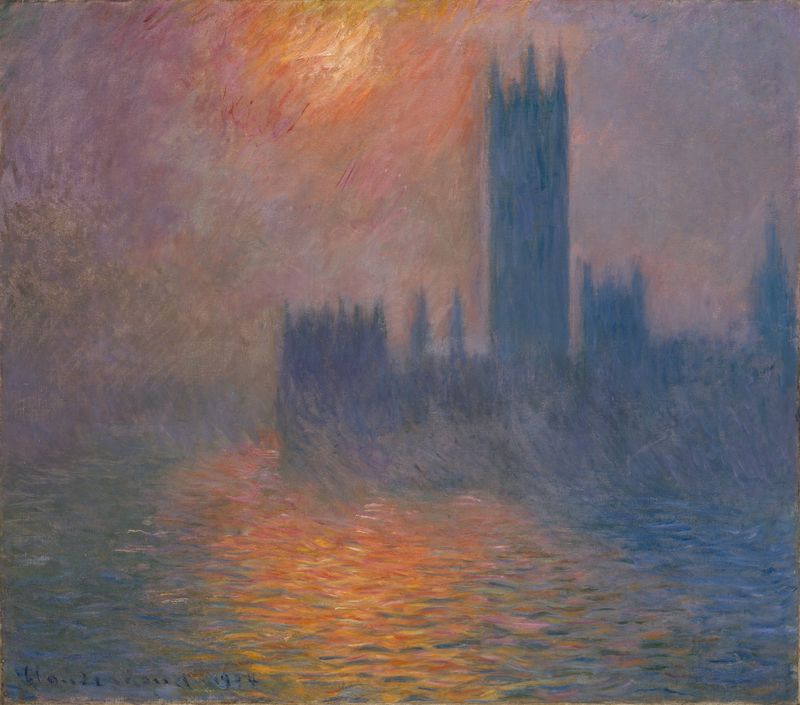
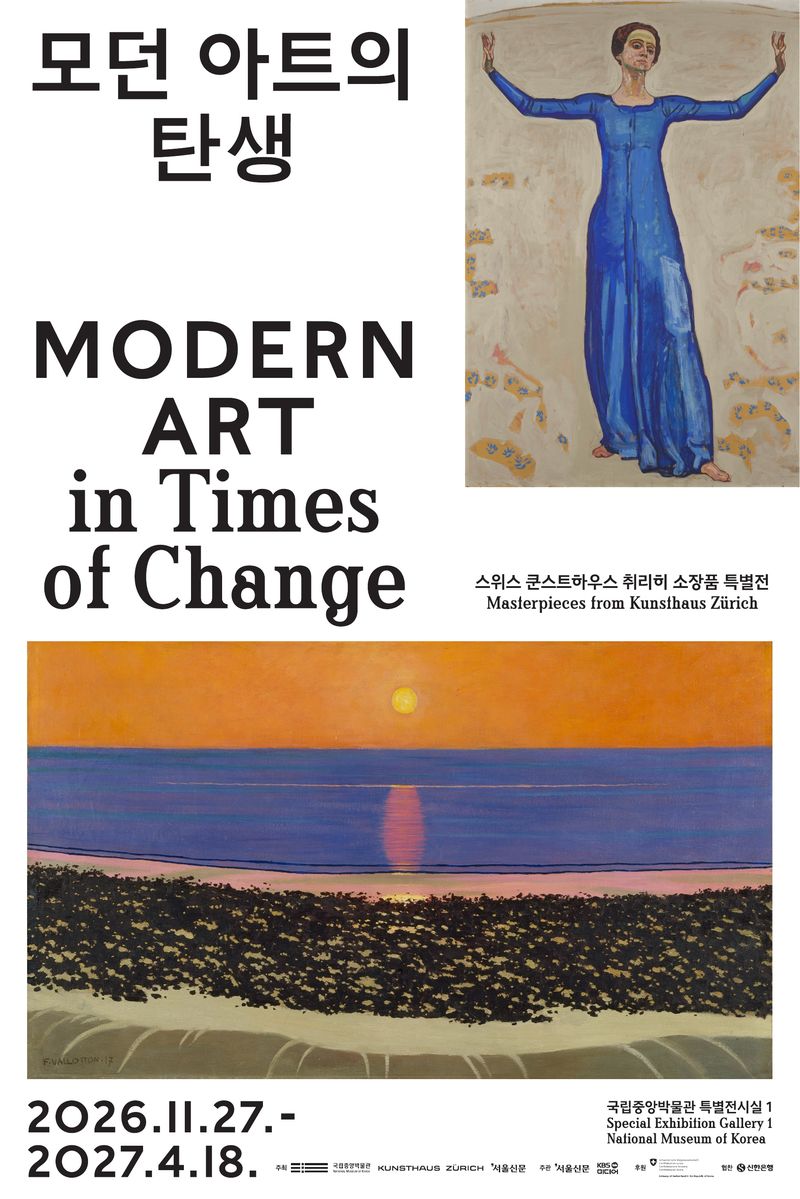
‘The Birth of Modern Art: Special Exhibition of the Kunsthaus Zürich Collection in Switzerland’ runs from the 27th through April 18 next year in Special Exhibition Gallery 1 at the National Museum of Korea. Featuring 85 paintings and sculptures by 49 artists, it traces changes in European art over about 200 years, from Romanticism to Surrealism. The National Museum of Korea, Kunsthaus Zürich and Seoul Shinmun are co-hosting the exhibition.■ Monet’s light and Kandinsky’s abstractionMonet depicted the Houses of Parliament as seen from the terrace of St Thomas’ Hospital in London in a series of 19 paintings. By painting the same building repeatedly, he captured how the light changed with the time and weather. Following the prologue, Part 1, ‘Landscapes of a New Era,’ features paintings of everyday life and nature in modern Switzerland.
Part 2, ‘The Light and Color of Paris,’ features Henri Matisse’s ‘Margot’ (1906), a portrait from his Fauvist period, with pink and apricot tones painted on the face beneath a green hat. In the middle of an open, garden-like space stands Auguste Rodin’s ‘The Age of Bronze (L’Âge d’airain).’ As visitors walk around the sculpture or sit on a chair, the shadows falling across the face and body change as the lighting shifts.
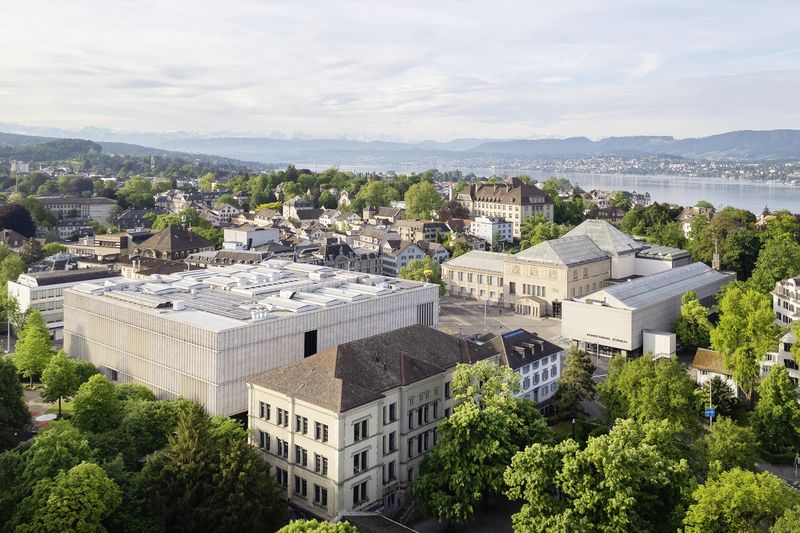
At a press preview, Kunsthaus Zürich director Ann Demeester said that artists who were from Switzerland or had spent time there ‘served as barometers that sensed the winds of change.’
The final room features works by Alberto Giacometti, his father Giovanni Giacometti and his distant relative Augusto Giacometti. Alberto’s bronze sculpture ‘The Forest (La forêt)’ (1950) consists of seven slender, elongated standing figures and one low bust mounted on a single base. Ample space has been left around the sculpture. As visitors move around, the way the figures appear to overlap changes.
Admission is organized in timed sessions at 30-minute intervals. At 2 p.m. on the opening day, the 27th, Maya Wysmer, head of collection research at Kunsthaus Zürich, will give a lecture related to the exhibition in the museum’s main auditorium.
[email protected] Jang In-seo Reporter