Victim Protection Hampered by Distinctions Between Marital and Dating Relationships ... 'Legal Framework for Relationship-Based Crimes Must Be Overhauled'
- Input
- 2026-11-25 14:56:09
- Updated
- 2026-11-25 14:56:09
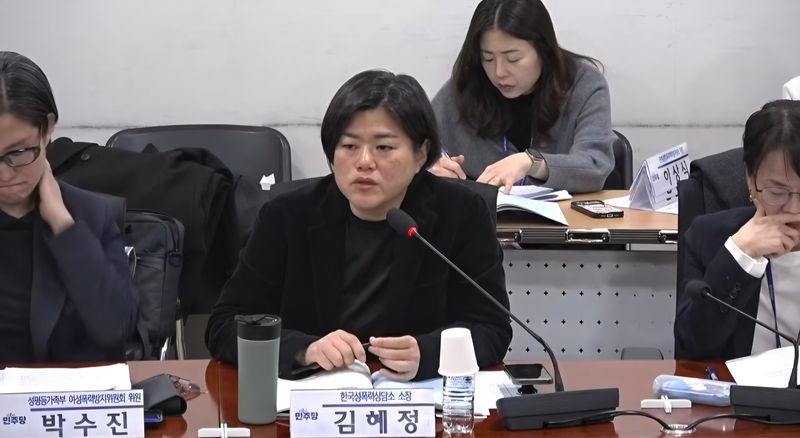
[Financial News] With relationship-based crimes such as domestic violence, dating violence and stalking escalating into serious violent crimes, calls are growing to improve a victim-protection system that varies according to relationship type, such as marriage or dating. Given the nature of crimes committed within intimate relationships, observers say legal and procedural improvements are needed to assess risk based on accumulated violence rather than individual criminal acts, and to make perpetrator separation and victim protection more effective.
At the “National Assembly Forum on Ending Relationship-Based Crimes,” held on the 25th by the Democratic Party of Korea (DPK) Special Committee on Measures Against Relationship-Based Crimes, experts said the current legal framework has limits in addressing complex and ongoing violence within intimate relationships.
Heo Minsuk, a legislative researcher at the National Assembly Research Service (NARS), identified “coercive control”—including social isolation, routine surveillance and economic exploitation—as a key warning sign of crime in intimate relationships. The point, Heo explained, is to move beyond a legal framework focused on whether individual acts constitute crimes and comprehensively assess the risks posed by accumulated violence within intimate relationships.
According to overseas research cited by Heo, coercive control had been identified before the crime in 99% of intimate-partner homicide cases in Australia and 92% of such cases in the UK.
Heo Minsuk stressed, “Coercive control should be defined as a standalone crime, and a comprehensive risk assessment should be conducted based on factors such as the perpetrator’s criminal history.”
The fact that different laws apply depending on the type of relationship, such as marriage or dating, was also cited as a problem. Even when similar violence occurs within an intimate relationship, the protective measures available can differ depending on the relationship between the perpetrator and the victim, potentially leaving gaps in victim protection.
Kim Hye-jeong, director of the Korea Sexual Violence Relief Center, proposed, “The scope of the Domestic Violence Punishment Act should be expanded to include dating relationships, and a legal framework should be established to cover the complex crimes that occur within intimate relationships, including sexual violence and illegal filming.”
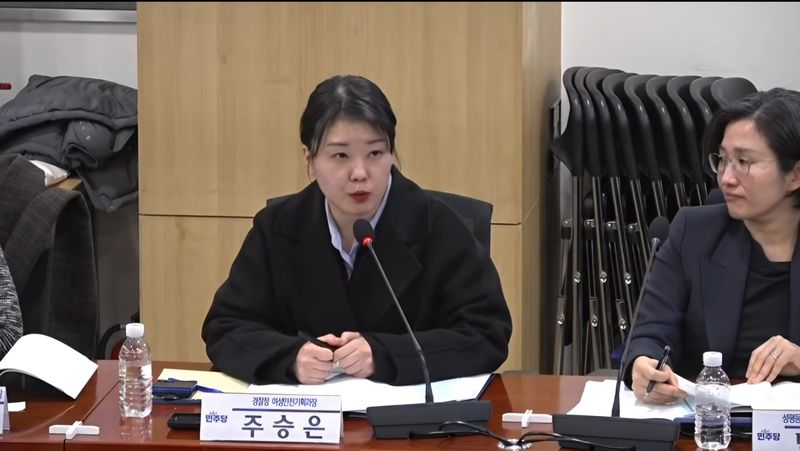
Relevant agencies focused on improving procedures for protective measures to make the separation of perpetrators more effective.
Joo Seung-eun, chief of the National Police Agency’s Women’s Safety Planning Division, said, “The fastest and most practical way to protect victims is to separate and impose sanctions on perpetrators,” adding, “The police response remains limited by legislative and procedural gaps that cannot be overcome through efforts on the ground alone.”
According to the National Police Agency, as of October this year, the overall approval rate for provisional measures in stalking cases was 73.7%, while the approval rates for orders to attach electronic tracking devices and for detention were just 35.2% and 22.2%, respectively.
There were also calls to improve the procedure requiring prosecutorial review as part of protective measures. The National Police Agency estimated that skipping this review step would reduce the time taken to process provisional measures in stalking cases and temporary measures in domestic violence cases by 0.7 days and 0.4 days, respectively.
The Ministry of Gender Equality and Family takes the position that whether to prosecute and whether a victim needs protection should be assessed separately. Jeong Hoe-jin, head of the ministry’s Intimate Relationship Violence Prevention Division, said, “Even if a prosecutor decides not to indict, temporary and provisional measures ordered by a court should remain in effect until the end of the period originally set.”
Choi Hyeong-gyu, director of the Ministry of Justice’s Criminal Legislation Division, also said, “With more than 20 bills related to relationship-based crimes introduced in the National Assembly, we will gather views from the front lines of policing and take part in legislative discussions.”
[email protected] Lee Dong-hyeok Reporter