K-Beauty in India's Market Moves Into the Luxury Segment Through Differentiation... Projected to Reach $1.5 Billion by 2030
- Input
- 2026-11-25 16:49:29
- Updated
- 2026-11-25 16:49:29
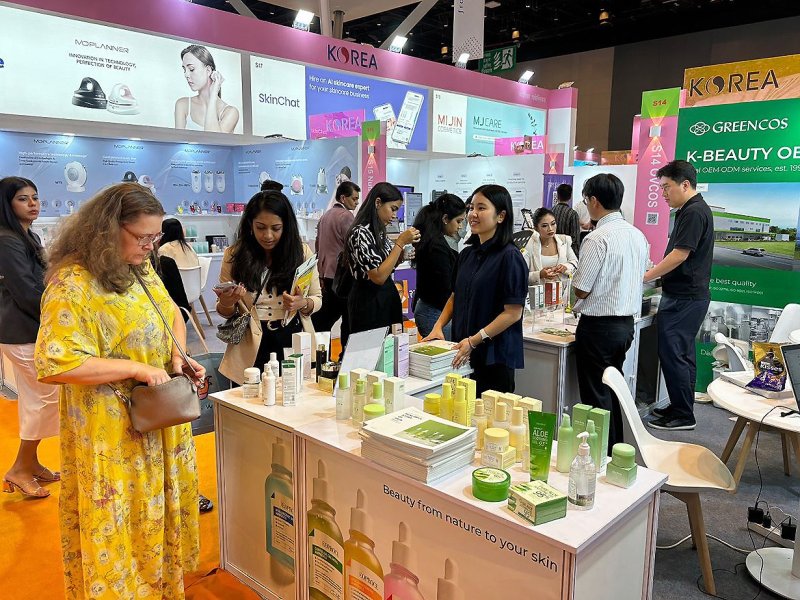
【New Delhi, India = Pragya Awasthi, correspondent】Korean cosmetics are expanding in India beyond mass-market popularity into the premium and luxury beauty markets. They previously raised their profile through Hallyu content such as Korean dramas and K-pop, but more recently have been attracting Indian consumers by emphasizing differentiated ingredients, science-based product technology and long-term skin health.
According to local sources on the 25th, India’s K-beauty market is projected to grow from $400 million in 2024 to $1.5 billion in 2030 (about 2.0146 trillion won). Its compound annual growth rate is expected to reach 25.9%. The number of buyers is estimated to rise over the same period from 11.9 million to 27.2 million, while per capita spending is projected to increase from $33.3 (44,705.25 won) to $56.3 (75,582.75 won).
Social media, Hallyu and the expansion of online retail are driving K-beauty’s growth, while building consumer trust and securing repeat purchases are seen as key challenges going forward. Mini Sud Banerjee, head of marketing at Amorepacific Corporation’s India subsidiary, said, “As Indian consumers choose cosmetics based on more information, they are looking for products with innovation, efficacy and differentiated ingredients. Understanding local skin concerns while incorporating Korean technology and innovation will be the next stage of growth for K-beauty.” As Indian consumers become more discerning, the criteria for premium cosmetics are also shifting from price and brand recognition toward ingredients, technology and efficacy.
Ashriya Sharma, head of marketing at The Face Shop, said, “As K-beauty has raised awareness of the importance of prevention and long-term skin health, consumers’ understanding of key ingredients such as ceramides, mucin and peptides has also grown. Luxury beauty is now more about a product’s technology and efficacy than its price.”
Domestic brands are also strengthening their localization strategies. Amorepacific Corporation’s Mamonde is introducing products tailored to Indian consumers’ skin concerns, drawing on more than 30 years of accumulated flower research and skin science technology. Its product range reflects local consumers’ key concerns, particularly dry skin, excess sebum and pores.
Online retail is also a key driver of market growth. According to estimates for the sector, 49% of K-beauty sales in India take place through online platforms, while direct sales through brands’ own online stores account for 23%. About 72% of all sales take place online. Product introductions and ingredient-analysis content from social media and beauty influencers are influencing consumers’ choices. Providing product information and engaging with consumers online have become key ways to expand brand awareness. Gaurish Sachdeva, founder of the Indian beauty brand Anology, told local media, “The growth of K-beauty shows that the criteria for luxury are shifting from price and packaging to product innovation, efficacy and user experience. Consumers prefer products tailored to their individual skin concerns over complicated skincare routines.”
Industry insiders believe that for India’s K-beauty market to continue growing, it is important to go beyond Hallyu’s popularity and develop products suited to local consumers’ skin characteristics and preferences, while securing differentiated ingredients and technological capabilities. With the market projected to reach $1.5 billion by 2030, Korean cosmetics companies’ localization and premium strategies are emerging as key factors that will determine their competitiveness in India.
[email protected] Pragya Awasthi, correspondent Reporter