“Is It Just Dry Winter Air?” Keep Scratching and Brushing It Off, and You Could Lose Your Hair: ‘This Sign’ [Smart Wellness]
- Input
- 2026-11-26 08:00:56
- Updated
- 2026-11-26 13:37:14
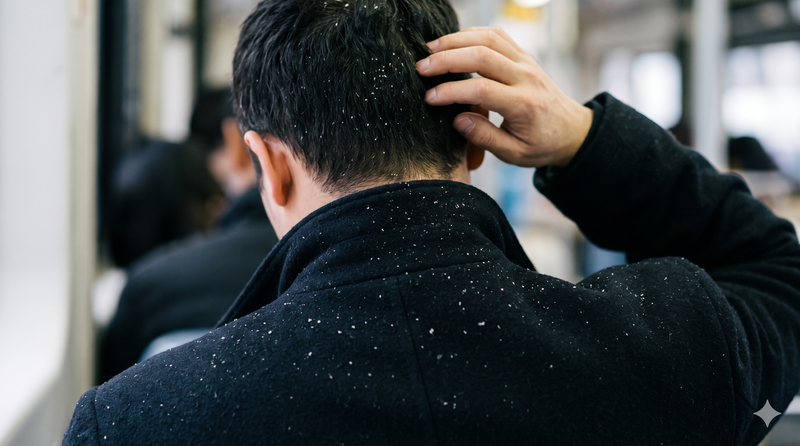
[Financial News] As temperatures dip below zero, dry air and indoor heating combine, and more people are complaining of dandruff and itchy scalps. It is easy to dismiss these symptoms as a minor consequence of dry weather, but persistent flaking and redness are warning signs that the scalp’s ecosystem is out of balance. If left untreated, the condition can lead to follicle damage and telogen effluvium, so prompt care is essential.
Winter weather disrupts the skin-cell cycle... left unchecked, it can trigger folliculitis and hair loss
In winter, the scalp faces extremely dry conditions from arid air, biting winds and the dry heat of indoor heating. When the dry scalp is irritated, it produces sebum as part of the skin’s defense mechanism, disrupting the cycle of skin-cell shedding and renewal.
When old skin cells that should naturally shed become tangled with oil and clog the pores, white dandruff, itching and red inflammation can follow. If left untreated, the condition can worsen into seborrheic dermatitis or folliculitis. If scalp inflammation persists chronically, it can cause the hair roots to atrophy and promote telogen effluvium.
Kim Jin-oh, chief physician at New Hair Plastic Surgery Clinic, said, “In winter, dry air and heating can make the scalp itchy and increase flaking, but repeatedly scratching because it itches can injure the scalp and worsen inflammation.” He advised, “If redness persists, painful bumps when pressed or pus develop, or noticeably more hair than usual falls out, it is important to seek medical attention promptly and find out the cause.”
From washing with lukewarm water to moisturizing the skin barrier... a care routine to prevent ‘scalp desertification’
To restore a compromised scalp barrier and protect your hair, you need to adjust your everyday cleansing and moisturizing routine.
When washing your hair, it is best to use water at 36–37°C, close to body temperature. Hot water completely strips away the scalp’s natural sebum barrier, worsening dryness and once again stimulating the scalp’s defense mechanism, which encourages sebum production. Using a mildly acidic shampoo that helps maintain the scalp’s natural pH can reduce chemical irritation to the scalp.
After washing your hair, dry your scalp with cool or lukewarm air. Hot air opens the scalp’s pores, causing moisture to evaporate. Conversely, if you do not dry your hair and the scalp remains damp, Malassezia can multiply excessively and cause scalp inflammation. Immediately after drying, applying a scalp-specific essence or tonic containing moisturizing ingredients such as panthenol or ceramides can help balance oil and moisture.
Ways to make life healthier and more vibrant are closer than you think. [Smart Wellness] shares insights on caring for the body and mind, drawing on scientific evidence and the latest trends. Subscribe to the reporter’s page to receive [Smart Wellness] with ease.
[email protected] Kim Hyeon-seon Reporter