Ruling-Party Min Byeong-deok: “Keeping the Mandatory Tender Offer at 50%+1 Share Is Not Right... All Shareholders Should Have a Choice”
- Input
- 2026-11-25 15:01:04
- Updated
- 2026-11-25 15:01:04
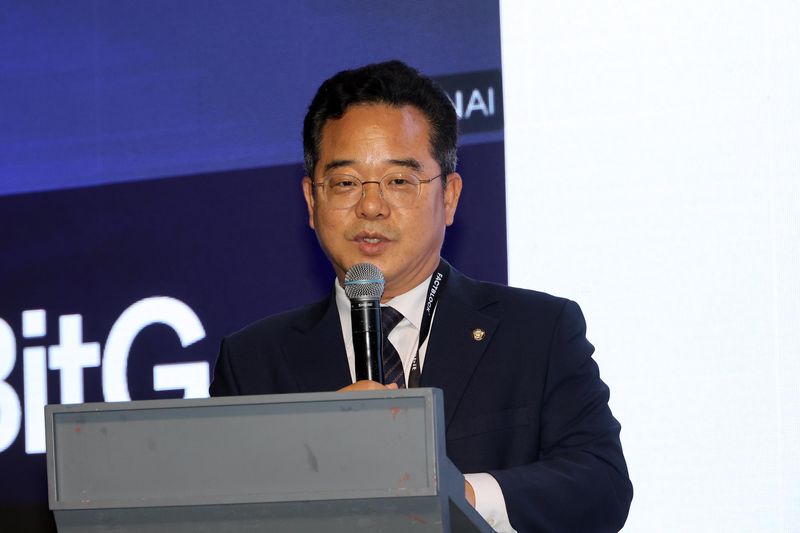
At a forum held at the National Assembly that day on “Legal and Institutional Improvements to Eradicate Zero-Capital M&A and Protect Minority Shareholders,” Min said of the mandatory tender offer system, “We are currently engaged in in-depth debate within the party.” He added, “We will reach a conclusion soon, but I hold a very strong view that it is not right to retain the ‘50%+1 share’ threshold we accepted at the People Power Party’s insistence.”
Min asked rhetorically, “This isn’t about having to buy all 100% of the shares; it’s about giving 100% of shareholders a choice. If the acquirer is strongly committed and the terms are attractive, the share price will rise. Why would our minority shareholders sell?” He added, “It seems unrealistic to claim that all the shares would end up being sold,” and stressed, “We will put the protection of ordinary shareholders at the center of everything we do.”
The mandatory tender offer system requires an acquirer taking control of a listed company to make a tender offer for at least a certain number of shares held by ordinary shareholders. The idea is to give ordinary shareholders the opportunity to share in the control premium when a controlling shareholder sells shares above the market price in return for transferring control.
Last September, the ruling and opposition parties agreed that an acquirer who obtains at least a 25% stake in a listed company and becomes its largest shareholder must purchase at least “50%+1 share” of all issued shares, including the stake already acquired. An amendment to the Financial Investment Services and Capital Markets Act containing that provision passed the National Assembly’s Legislation and Judiciary Committee, but consideration in the plenary session was put on hold following opposition from domestic and foreign asset managers and others.
For example, critics have pointed out that if an acquirer secures a 40% stake from the existing largest shareholder, it would need to buy only about 10% more, limiting ordinary shareholders’ practical opportunity to sell. In response, the DPK’s K-Capital Markets Special Committee said the day before that it would keep various alternatives open, including a tender offer for 100% of the remaining shares, and urged the People Power Party to hold further consultations.
Min also stressed that institutional improvements are needed to prevent harm to minority shareholders from illegal zero-capital M&A. He said a balanced solution should hold those responsible for illegal acts accountable while ensuring that companies with a chance of recovery and their shareholders are not all harmed indiscriminately.
[email protected] Jiwon Song Reporter