“We’ll Give 810,000 Won per Person Regardless of Income” ... Taiwan Says It Will Give Everyone an AI Bonus
- Input
- 2026-11-25 11:20:53
- Updated
- 2026-11-25 11:20:53
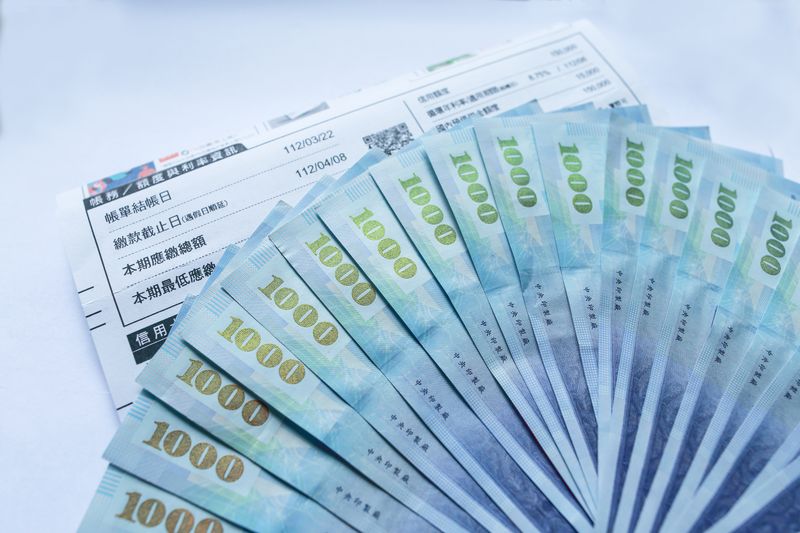
[Financial News] Taiwan has decided to distribute in cash to everyone the additional tax revenue generated by the boom in its artificial intelligence (AI) industry. A bill providing NT$20,000 (about 810,000 won) per person, regardless of income, has passed the Legislative Yuan (parliament). However, the Executive Yuan (Cabinet) could block it, so hurdles remain before payments can actually be made.
810,000 won per person regardless of income, with no tax withheld
According to Taiwan’s China Times and other outlets on the 25th, Taiwan’s Legislative Yuan passed the “Special Ordinance on Sharing Economic Gains with All Citizens and Stabilizing Livelihoods,” submitted by the main opposition Kuomintang (KMT), on the 20th, with 50 votes in favor and 46 against. Thirteen lawmakers from the ruling Democratic Progressive Party (DPP) did not take part in the vote.
Under the ordinance, every person will receive NT$20,000, with no income-based exclusion criteria. A family of four would receive NT$80,000 (about 3.24 million won). The money will not be subject to income tax or seizure.
The payments come amid a sharp rise in tax revenue as the AI and semiconductor industries expand rapidly. The total cost of paying everyone is estimated at about NT$471.4 billion (about 19 trillion won), while the KMT expects this year’s surplus tax revenue to exceed NT$1 trillion.
Government proposes NT$10,000, opposition NT$20,000 ... actual payments remain up in the air
The ruling DPP government is also pursuing cash payments. President Lai Ching-te announced in August that he would pay NT$10,000 per person next year. The Executive Yuan included the measure in next year’s general budget proposal under the name “AI Bonus for All.” The KMT then submitted a separate bill doubling the amount.
Ahead of local elections, the DPP and the KMT have been sparring over the size of cash payments funded by surplus tax revenue from the AI boom. KMT legislator Lo Chih-chiang argued that the local election results would determine the fate of the bonus payments, while DPP Legislative Yuan caucus secretary-general Chuang Jui-hsiung criticized the KMT for seeking to provide an additional NT$10,000 without considering the budget.
For the ordinance to take effect and payments to be made, the head of the Executive Yuan must countersign it (co-sign the document promulgating the law). However, the Executive Yuan has announced it will take responsive measures, citing “serious concerns that it is unconstitutional,” and the Taiwan People’s Party, the second-largest opposition party, also voted against it, saying, “This year’s Lunar New Year gift money must not become the next generation’s bill.”
If the ordinance is countersigned, the Executive Yuan must submit a special budget proposal within one month, and payments must be completed within three months of the budget’s approval. Ahead of the local elections on the 28th, the KMT is urging Executive Yuan Premier Cho Jung-tai to state his position before the vote.
[email protected] Kim Hee-sun Reporter