From Punishing Offenders to Restoring Victims' Daily Lives: Police Seek to Advance 'Restorative Policing'
- Input
- 2026-11-25 14:00:00
- Updated
- 2026-11-25 14:00:00
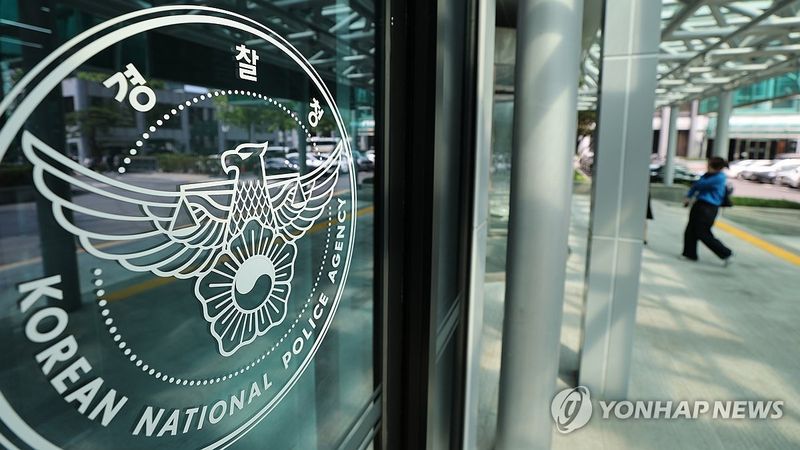
[Financial News] Police are seeking ways to develop restorative policing, which helps crime victims rebuild their daily lives and resolve conflicts between the parties involved. The plan is to review seven years of operational experience since its introduction and strengthen victim protection and support based on overseas cases.
The National Police Agency said it would hold a seminar on the afternoon of the 25th, jointly with the Social Cooperative Restorative Justice Network, on the theme “Connecting Crime Victims to Recovery: Seven Years of Restorative Policing—Achievements and New Challenges.”
The event was organized to coincide with Crime Victim Protection Week, which the National Police Agency is holding for the first time this year, and International Restorative Justice Week.
Introduced in 2019, restorative policing is a system designed to address the limitations of the existing criminal justice system, which focuses on punishing offenders and processing cases. Its aim is to resolve at their root the harm and conflicts caused by crime.
It is an approach that helps victims heal and restores relationships between the parties involved through restorative dialogue sessions attended by offenders, victims and others. It is also intended to help maintain the safety and tranquility of local communities.
At the seminar, experts from Korea and abroad will share examples of restorative policing in practice and discuss ways to improve the system.
The invited international speaker will be David Moore, president of the Australian Association for Restorative Justice. Moore will introduce operational experience accumulated in Australia, the UK and the US, and highlight insights that could be applied to restorative policing in Korea.
The seminar will also review the process of implementing restorative policing in Korea over the past seven years and its key achievements. It will focus on ways to strengthen operations and improve the institutional framework to enhance the system's effectiveness.
The police plan to use the seminar as an opportunity to step up international exchanges and share experience in advancing restorative justice.
Earlier, National Police Agency chief Kim Jong-chul said at his inauguration ceremony on the 23rd that he would make the protection of crime victims and the redress of their rights the first principle of policing.
Kim explained, “Restorative policing is an important form of police work that helps individuals and communities affected by crime and conflict understand one another through dialogue and communication, and recover.”
He continued, “Building on the experience and achievements accumulated over the past seven years, we will further develop restorative policing and strengthen its foundations, and continue working to ensure that victims hurt by crime and conflict can fully recover and return to peaceful daily lives.”
[email protected] Kim Ye-ji Reporter