“Why Is the ‘Baby Cold Virus’ More Dangerous for Older Adults?”... RSV Has No Treatment [Health Talk]
- Input
- 2026-11-25 08:39:54
- Updated
- 2026-11-25 08:39:54
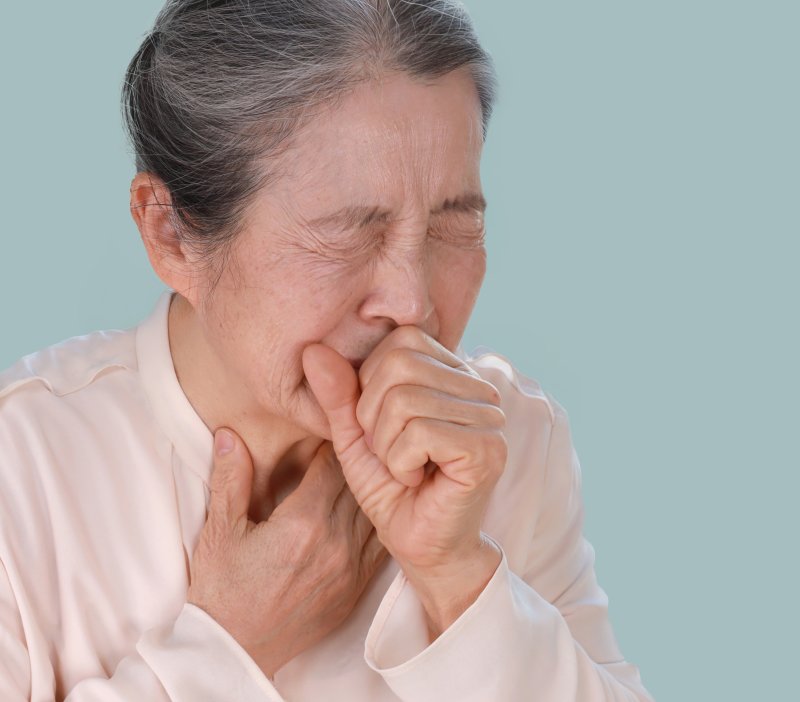
[Financial News] Influenza and COVID-19 have treatments, but respiratory syncytial virus (RSV) does not. Although RSV infection in older adults can lead to pneumonia or respiratory failure, there is no drug that directly targets the virus, making vaccination by far the most reliable preventive measure.
RSV is commonly known as a virus that causes bronchiolitis in infants and young children, but it can be just as dangerous to older adults as influenza. In people with heart or lung disease, an RSV infection can also worsen their existing condition.
Cases are also rising as winter sets in, the season when RSV is most prevalent. According to the Korea Disease Control and Prevention Agency’s “2026 Weekly Infectious Disease Sentinel Surveillance Newsletter (Week 46),” RSV hospitalizations rose steadily over the past four weeks, from 68 to 92, 106 and 168. In particular, 168 people were hospitalized from November 8 to 14, a 58.5% increase from the previous week (106).
Only infants and young children at risk? Older adults should also be cautious
Older adults are vulnerable to RSV because aging weakens immune function and the respiratory system’s defenses. As people age, immune cells become less effective at fighting viruses, and the body’s ability to clear mucus and foreign particles from the respiratory tract declines. As a result, the virus may not be fully cleared from the body, or inflammation may persist. If the infection spreads to the lower respiratory tract, including the bronchi and lungs, it can lead to serious complications such as pneumonia or respiratory failure.
Older adults with chronic conditions face greater risks. In people with chronic obstructive pulmonary disease (COPD) or asthma, RSV-related airway inflammation can worsen existing respiratory symptoms. For those with cardiovascular disease, such as angina or heart failure, the inflammatory response to infection and the increased demand for oxygen can adversely affect the heart. Patients with diabetes or chronic kidney disease, as well as those with weakened immune function, are also at greater risk of developing severe illness.
Research has confirmed these risks. The U.S. Centers for Disease Control and Prevention (CDC) analyzed 1,634 patients aged 60 or older who were hospitalized with RSV in 2022–2023. The findings showed that 17.0% were admitted to an intensive care unit and 4.8% required ventilator support. Older adults may recover more slowly after a severe infection, and their physical function or ability to manage daily activities may decline compared with before hospitalization. This is why RSV should not be dismissed as just a common cold.
RSV symptoms resemble those of other respiratory viruses, making it difficult to distinguish the infection based on symptoms alone. Most healthy adults experience only mild illness, but older adults may develop a worsening cough and phlegm, wheezing or shortness of breath. In particular, older people may have only severe fatigue, loss of appetite or general weakness without a clear fever, so it is important to watch closely for changes from their usual condition. Those with severe symptoms should seek medical care. At a doctor’s discretion, a polymerase chain reaction (PCR) test using a respiratory specimen can confirm whether they are infected.
Most people recover from RSV infection with adequate rest, fluids and symptomatic treatment. However, hospitalization may be necessary if the illness progresses to pneumonia or respiratory failure. Anyone whose shortness of breath worsens or who develops chest pain or changes in consciousness should seek medical attention promptly. Treatment involves supportive care, such as oxygen or, in severe cases, mechanical ventilation, while the patient’s immune system fights off the virus.
Vaccination is the first step in preventing severe illness
Older adults and other high-risk groups with underlying conditions such as chronic heart or lung disease are more likely to develop pneumonia or respiratory failure after an RSV infection, so preventing infection in the first place is the best approach.
Unlike influenza, RSV had no adult vaccine for a long time, but development has accelerated over the past decade. In Korea, three RSV vaccines for adults have been approved since late 2024, providing a way to prevent RSV lower respiratory tract disease in older adults and high-risk groups. The vaccines have demonstrated their safety and efficacy in large overseas studies. Large-scale real-world studies to date have found that they reduce RSV-related hospitalizations among older adults by about 80%. Accordingly, the Korean Society of Infectious Diseases recommends RSV vaccination in its 2026 revised adult immunization guidelines for all adults aged 75 and older and high-risk individuals aged 50 to 74.
Unlike the influenza vaccine, the RSV vaccine is given once rather than annually. The eligible ages and groups vary by vaccine, so it is best to consult a healthcare professional and decide whether to get vaccinated based on age, underlying conditions and overall health. Late summer or early fall is the best time, but vaccination is available year-round and can be given along with influenza and COVID-19 vaccines. People should also follow basic infection-prevention measures, including handwashing, practicing good cough etiquette and ventilating indoor spaces.
Professor Eliel Nham of the Department of Infectious Diseases at Korea University Guro Hospital said, “RSV vaccination is an important preventive measure that lowers the risk of severe respiratory illnesses, such as pneumonia caused by infection, among older adults,” and emphasized, “Older adults and people with underlying conditions such as chronic heart or lung disease are particularly at high risk of severe illness if infected. It is important to consult a healthcare professional to determine whether vaccination is needed and actively consider getting vaccinated.”
[email protected] Jeong Myeong-jin, Medical Correspondent Reporter