SpaceX-Tesla Race to Wrap Up 'Largest-Ever Merger'... 'Deal to Close This Year'
- Input
- 2026-11-25 03:47:53
- Updated
- 2026-11-25 03:47:53
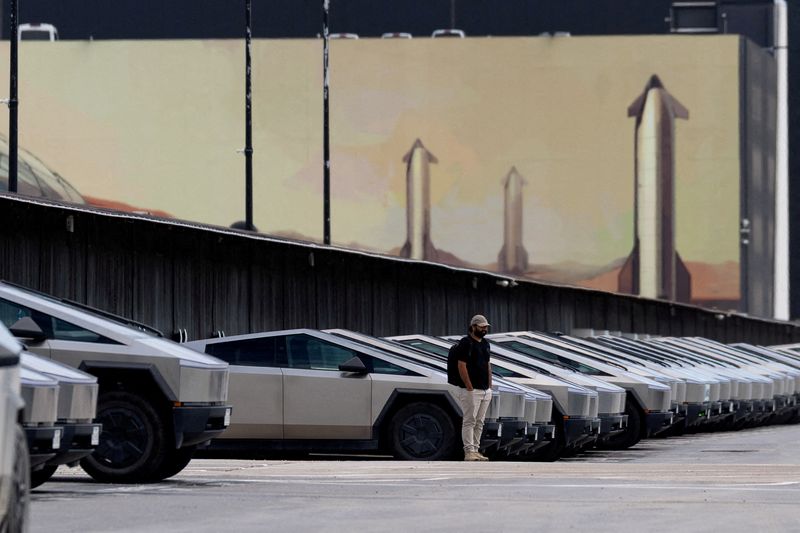
SpaceX and Tesla, Elon Musk's companies, have formed a five-member special committee of directors to pursue what would be the largest merger ever, aiming to reach a deal within the year, the Financial Times (FT) reported on the 24th (local time).
Three members from Tesla and two from SpaceX are serving on the special committee, which is handling the negotiations. All directors close to Musk have been excluded.
The merger of the two companies is valued at $3.5 trillion and will be carried out entirely through a stock swap.
Advisory banks including Morgan Stanley, Goldman Sachs and Evercore are currently calculating the exchange ratio for the two companies' shares. The review will examine overlapping businesses such as artificial intelligence (AI) and data centers, and assess potential synergies in rockets, robotics and solar power.
If the merger goes through, Musk will have majority control of the combined giant company. He currently holds about 84% of the voting power at SpaceX and 20% at Tesla.
The goal is to finalize the merger within the year, but the two companies have markedly different approaches to the negotiations.
SpaceX is pushing ahead at speed, with Musk at the center. Tesla, by contrast, is extremely cautious, mindful of shareholder lawsuits after the trauma of litigation over the past SolarCity merger and Musk's compensation package. Unlike at SpaceX, Musk has only 20% of the voting power at Tesla, making it difficult to force the deal through.
Even if the negotiating teams agree on terms, Tesla shareholders must approve the deal. A majority of all issued shares must vote in favor at a separate extraordinary shareholders' meeting for the merger to pass. The annual shareholders' meeting is scheduled for the 3rd of next month, but the merger approval proposal is expected to be put to a separate extraordinary meeting.
Passing the merger proposal would not be the end of it. The companies would also have to clear regulatory hurdles in countries including China, as well as those imposed by the U.S. government.
According to sources, the Chinese government may oppose the merger. Tesla produces electric vehicles in China and exports them to Asia and Europe, and its operations there also encompass locally tailored autonomous-driving technology.
The U.S. government could also oppose the merger because SpaceX's rocket technology and Starlink satellite business are directly tied to national security.
The deal would also have to undergo antitrust reviews in China, the European Union (EU) and the United Kingdom.
A source said discussions about a SpaceX-Tesla merger have encountered “more friction than expected,” but added that “given the company's year-round work culture, a deal could still be reached before the end of the year despite this friction.”
[email protected] Song Kyung-jae Reporter