“Your Personal Information Has Been Leaked”... Alert Over Malicious Emails Impersonating the PIPC
- Input
- 2026-11-24 17:49:29
- Updated
- 2026-11-24 17:49:29
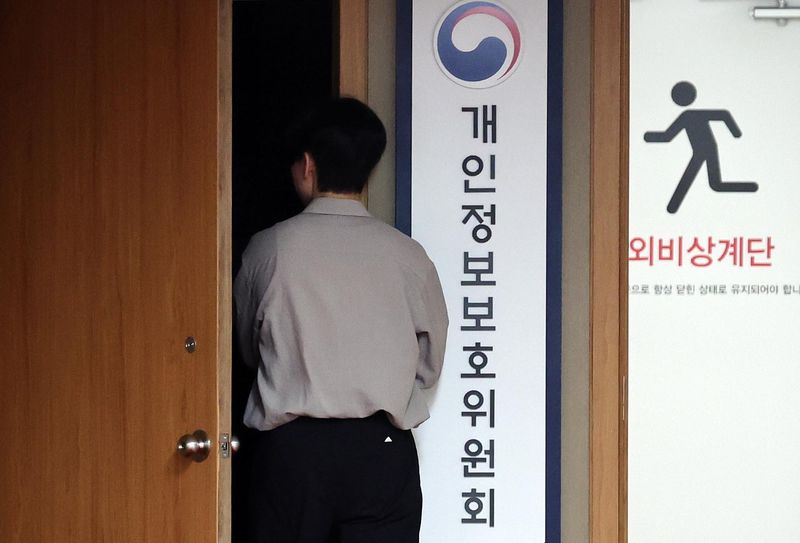
[Financial News] Malicious emails impersonating employees of the Personal Information Protection Commission are being circulated, prompting calls for users to exercise particular caution. The scam informs recipients that their personal information has been leaked and urges them to open an attachment, then steals account and financial information or installs malware on their personal devices. The PIPC said on the 24th that malicious emails impersonating its employees had recently been circulating and that users needed to exercise particular caution.
According to the PIPC, attackers are impersonating employees of real public institutions or companies and cleverly imitating official logos, document formats, domain names, and other details. They use these to entice email recipients to click URLs included in the message or open attachments. The attackers direct recipients to fake login pages to steal account and financial information, or install malware and ransomware on personal devices such as smartphones, causing further harm.
The PIPC emphasized that recipients should check not only the sender name shown in an email but also whether the email address matches the institution’s official domain. It added that attachments disguised as “Guide” or “Compensation Application” pose a risk of malware infection and should not be opened.
The PIPC said it had not sent emails or official documents in the same format as the malicious emails identified in this case. The entity that notifies users of a personal information breach is not the PIPC, but the institution or company whose data was leaked. Accordingly, the PIPC explained that all breach notification emails sent in the name of its employees should be treated as malicious.
If you receive a suspicious email, do not use any links or phone numbers listed in the message. Instead, go directly to the institution’s official app or website to verify the information. You should also refuse any request to install a remote-control app, even if it is presented as necessary for compensation or other victim support.
The PIPC urged users to strengthen account security by regularly changing their passwords and setting up multi-factor authentication, and to immediately report any impersonation emails they receive to the National Police Agency (112) or the Personal Information Infringement Report Center (118).
[email protected] Yoon Hong-jip Reporter