“Weightlifting Is the Antidote to Distracting Thoughts”: Sam Altman Also Starts With “This” When Stressed [Smart Wellness]
- Input
- 2026-11-24 19:00:00
- Updated
- 2026-11-24 19:00:03
[Financial News] If you’re under such severe stress that even thinking makes your head throb, try immersing yourself in an activity that’s as simple and one-dimensional as possible. Activities that focus your attention on your senses, such as repetitive hand movements or walking slowly, can have a meditative effect, easing tension in the brain and promoting psychological calm. Global Big Tech leaders actually use this method often.
Global leaders who focus on “simple activities” whenever they feel stressed
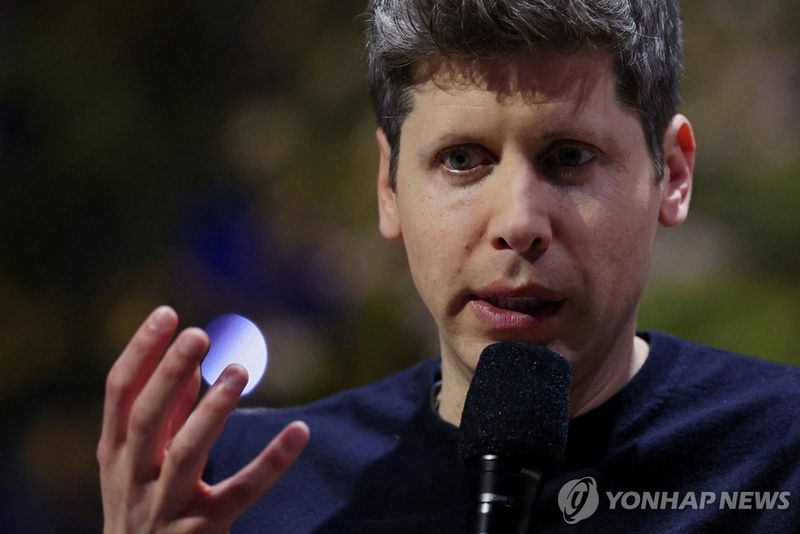
Sam Altman, OpenAI’s CEO who ushered in the era of generative AI, sticks to “heavy weight training” three times a week to relieve severe mental overload. In effect, he opts for the physical fatigue of lifting a heavy barbell to force his complex mind to stop. Amazon founder Jeff Bezos does the dishes himself every night after dinner. It’s his personal routine for shedding the day’s tension by focusing on simple tactile sensations, such as warm water and soft suds.
Berkshire Hathaway Chairman Warren Buffett has long enjoyed playing the ukulele. According to U.S. business magazine Forbes and other publications, whenever he faces the pressures of running the company, he plays the ukulele alone, escaping his preoccupation with complex numbers and investment decisions.
Meta CEO Mark Zuckerberg also sticks to “walking meetings,” a practice Apple founder Steve Jobs enjoyed, and is well known for stimulating his frontal lobe and relieving stress by walking. Whenever the studio faced a management crisis, founder Walt Disney would lay miniature railway tracks in his backyard and spend time absorbed in assembling intricate model trains himself.
“Simple hands-on activities help calm the brain’s amygdala”
Psychiatrists and neuroscientists say these behaviors by tycoons are sophisticated mental-relaxation strategies. Leaders who must make critical decisions by the second are prone to chronic overactivation in the amygdala, the brain’s fear and anxiety center, and the prefrontal cortex. Repetitive tasks involving precise hand movements or physical activity redirect attention to external sensations and block the circuits that generate distracting thoughts, they say.
According to a research team at Florida State University, in a study of college students experiencing everyday stress, participants who washed dishes while giving their full attention to the smell of the dishes and the feel of soap bubbles saw their tension levels fall by 27% and their sense of mental uplift rise by 25%. The results came from hands-on work that fully engages the senses acting as a kind of “dynamic meditation” to soothe psychological anxiety.
Ultimately, protecting yourself from stress isn’t about having an elaborate routine but about getting simple, manageable little things done in everyday life. If you feel your brain is getting overloaded right now, get moving and focus on the most basic sensory experience.
Ways to make life healthier and more vibrant are closer than you think. [Smart Wellness] shares wisdom on caring for your body and mind, drawing on scientific evidence and the latest trends. Subscribe to the reporter’s page to get [Smart Wellness] delivered to you.
[email protected] Kim Hyeon-seon Reporter