“Home Prices Have Cooled, but Jeonse Looks Even More Uncertain” ... Han Mun-do: “The Rental Crunch Will Be Worst in the First Half of Next Year”
- Input
- 2026-11-24 14:04:36
- Updated
- 2026-11-24 14:04:36
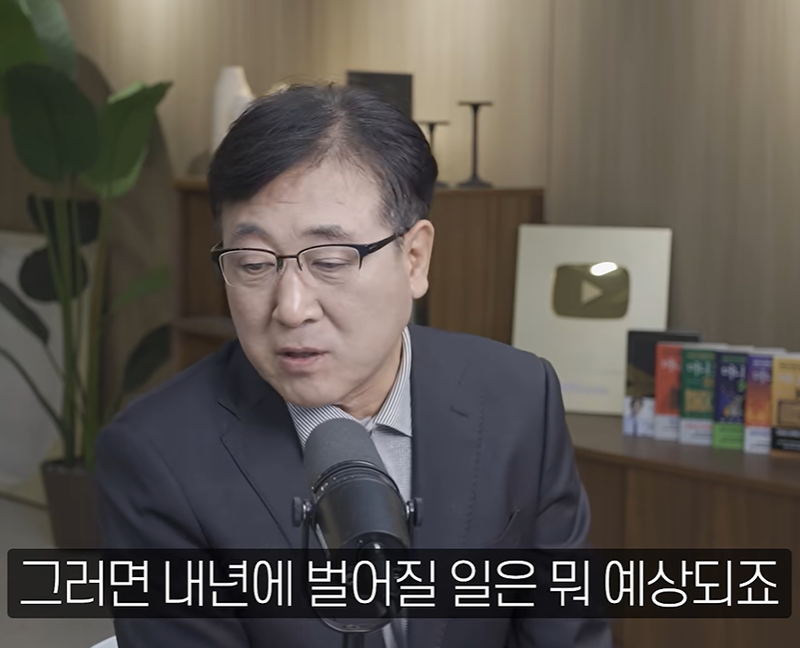
[Financial News] As Seoul apartment prices lose momentum, a forecast has emerged that instability in the jeonse and monthly rental market will peak in the first half of next year. Analysts say sales and rental market trends could diverge as supply shortages and a decline in jeonse listings continue.
Professor Han Mun-do of SDU appeared on the YouTube channel Builnam TV on the 24th and said the housing market had risen too much recently. His assessment was that both home sale prices and jeonse deposits had reached high levels, making it difficult for existing buyers to chase the market.
More than 90 weeks of consecutive gains, but Gangdong and Seongdong turn negative
According to Professor Han, Seoul apartment prices have risen for more than 90 weeks, but the pace of increase has slowed to around zero. After some parts of Gangnam turned weaker, Gangdong District recently posted a decline for the first time in a long while, and Seongdong District also recorded a negative figure.
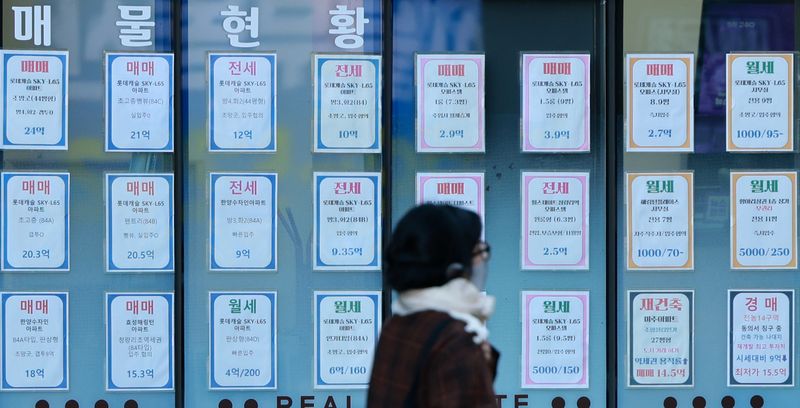
The mood on the ground is similar. Referring to a leading apartment complex in Oksu-dong, Seongdong District, Professor Han described the situation there as having “no buyers and no one looking to rent on jeonse.” With demand for jeonse declining, prices are being cut by tens of millions of won at a time.
It is also worth noting that price increases have slowed or turned negative in Gangdong and Seongdong, following parts of Gangnam. Professor Han drew particular attention to prices falling even as transaction volumes declined. He interpreted this as a sign that “many of the people able to chase the market with further purchases have been exhausted.”
“There’s no way to raise the deposit” ... tenants’ options: semi-jeonse, monthly rent, or leaving Seoul
The problem is the jeonse and monthly rental market. Jeonse deposits have risen sharply along with home sale prices, but the government’s restrictions on jeonse loans have left tenants with no way to raise additional deposits, and interest rates on jeonse loans have also risen.
Professor Han explained that tenants were left with just three options: switching to semi-jeonse by adding a small monthly rent, moving to a monthly rental, or relocating to another area such as Incheon or Gyeonggi Province. He said, “People are moving to Incheon more than anywhere else.”
He cited the government’s policy of pressuring rental business operators to sell as a factor worsening the jeonse and monthly rental crunch. By pushing them to sell their properties by a set deadline, the government had reduced the supply of jeonse and monthly rentals by the same amount. Professor Han said the policy’s overall direction was right, but it should have been implemented gradually over five to 10 years. “A good policy achieves its goals while keeping the market predictable and minimizing shocks,” he stressed.
As an alternative, he proposed suspending measures affecting win-win landlords and purchase-rental business operators for about two years. His reasoning was that increasing the supply of jeonse units would stabilize the jeonse market and ease upward pressure on home sale prices. He added, “If I were a government official, I think I would say, ‘Things will probably be difficult for the time being. I’m sorry.’”
Professor Han also predicted that this situation “could come close to reaching its peak in the first half of next year.” However, he expected the situation to be less severe than this year, when prices rose sharply, even if the jeonse crunch worsened.
Supply will be felt in 2029 ... concerns over rental-focused supply
He put the point when the supply shortage would actually ease at 2029. However, he forecast that ahead of the 2028 general election, the government might announce “eye-catching” supply measures around June to August next year, such as speeding up construction starts and expanding lottery-based allocations for housing subscriptions. Land compensation in the Seoripul District of Seocho District is expected to be completed as early as June or July next year.
The issue is the share of rental housing. Professor Han argued that, alongside providing rental housing to people in vulnerable housing situations, the government should also create opportunities for genuine homebuyers to purchase homes at affordable prices and build assets.
He said that after meeting young people living in goshiwon rooms and asking them directly, 90% chose to buy when asked to choose between homes sold at half price and rental housing. Professor Han warned, “Young people all know that real estate is a way to hedge (avoid the risk of) asset inflation,” adding, “If we keep focusing on rental housing, both ordinary people and those who want to buy a home will be hurt.”
[email protected] Kim Hee-sun Reporter