National Human Rights Commission of Korea Says Regulation of Mockery and Hate Speech Requires Caution... Raises Concern Over Infringement of Freedom of Expression
- Input
- 2026-11-24 12:00:00
- Updated
- 2026-11-24 12:00:18
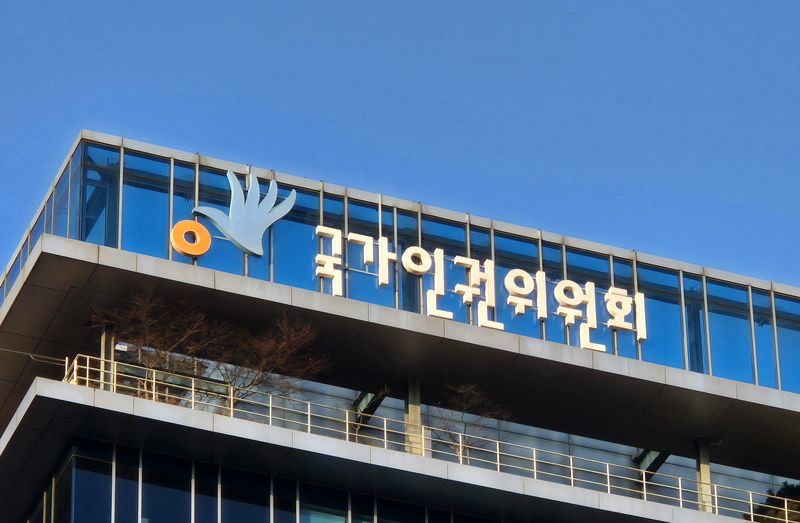
The commission said on the 24th that on the 17th it had conveyed to the Speaker of the National Assembly its view that a proposed partial amendment to the Act on Promotion of Information and Communications Network Utilization and Information Protection, etc. requires careful review.
The amendment would define online expressions of insult, mockery, disparagement, contempt and ridicule as a new category of illegal information, “mockery and hate information,” and introduce criminal penalties for posting or distributing such content, as well as requirements to delete or block it. It would also allow sanctions such as surcharges and orders to suspend or shut down services to be imposed on platform operators and others that violate the requirements.
The commission considered the bill’s purpose meaningful, given that malicious mockery and disparagement can cause victims severe psychological distress and lead to secondary harm. However, it found that even the concepts underpinning the regulation were unclear.
In particular, it expressed concern that “mockery” and “ridicule” could be interpreted differently depending not only on the content of an expression but also on its context, target and social circumstances. The point was that it would be difficult to establish clear legal criteria distinguishing unlawful mockery from legitimate criticism, since criticism or satire of a particular incident could be taken as an insult by some.
It also considered that combining vague regulatory standards with criminal penalties could lead users to restrain their own expression out of fear of punishment. Platform operators, too, might delete or block potentially controversial posts first to avoid sanctions such as surcharges or suspension of operations, which could chill even legitimate opinions.
The commission also cited regulatory imbalances between domestic and foreign platforms and the possibility of arbitrary or selective law enforcement by state agencies. It explained that the less clear the regulatory standards, the more likely similar expressions could be assessed differently depending on where they were posted or which body enforced the rules.
However, in a supplementary opinion, standing commissioner Lee Suk-jin emphasized that protecting victims and bereaved families of state violence and social disasters, including the May 18 Democratization Movement and the Jeju April 3 Incident, is the state’s responsibility. “Because baseless accusations and malicious distortions can undermine victims’ dignity and even chill efforts to establish the truth, separate institutional measures should be considered, including improvements to redress procedures and legal and psychological support,” the commissioner said.
The commission said, “We plan to continue monitoring relevant legislative and policy developments to protect victims’ dignity and rights from online human rights violations while ensuring that freedom of expression under the Constitution is not excessively restricted.”
[email protected] Seo Ji-yun Reporter