"Why Does My Head Feel Heavy After a Good Night's Sleep?"... Focus on the Brain-Cleaning 'Glymphatic System' [Health Talk]
- Input
- 2026-11-24 09:58:05
- Updated
- 2026-11-24 09:58:05
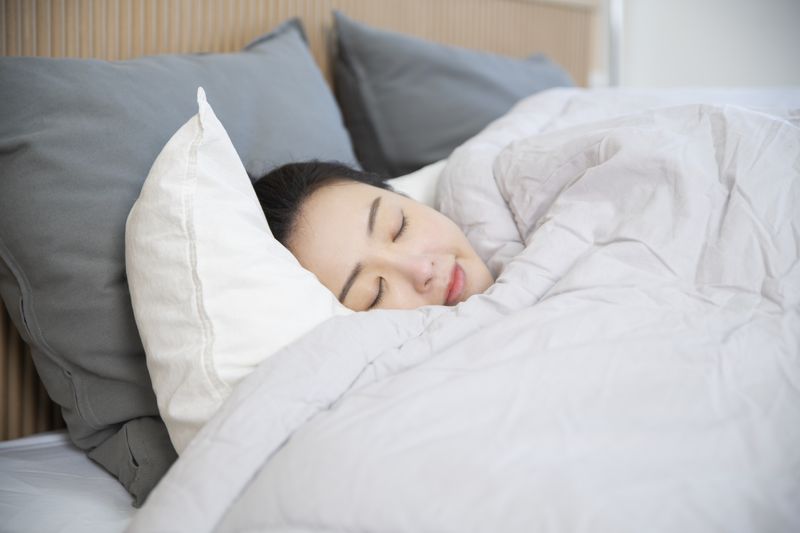
[Financial News] While we sleep, the brain does a major cleanup. This is the glymphatic system, in which cerebrospinal fluid flows around blood vessels in the brain and washes away metabolic waste accumulated during the day. Interest in sleep quality is growing as poor sleep may affect this cleaning process.
The glymphatic system is a kind of “brain-cleaning system” that helps remove waste that has accumulated in the brain. Cerebrospinal fluid helps exchange substances between brain tissues, and waste is thought to be carried away in the process. Animal studies have found that this waste clearance is more active during sleep than while awake.
Unrefreshing mornings can be a sign of a sleep disorder
Interest in the glymphatic system is also growing in dementia research. Alzheimer's disease (AD) is associated with an abnormal buildup of amyloid beta and tau proteins in the brain, and the glymphatic system may also play a role in clearing these proteins. Research is continuing into the link between sleep and AD, and the relationship between waste clearance during sleep and the maintenance of cognitive function.
Kwon Gyeong-hyeon, head of the Brain and Nerve Center in the Department of Neurology at Seran General Hospital, explained, “Sleep is closely related not only to physical recovery from fatigue but also to the brain’s metabolic activity. The glymphatic system is a field of research into cerebrospinal fluid flow and metabolic waste clearance during sleep, and is providing an important clue to understanding the relationship between sleep and brain health.”
If your head feels heavy and you don’t feel refreshed every morning despite getting enough sleep, you should take a closer look at your sleep quality. Common conditions that can reduce sleep quality include insomnia, sleep apnea and REM sleep behavior disorder. Insomnia is a condition involving recurring difficulty falling asleep or frequent awakenings.
Sleep apnea is characterized by breathing that repeatedly stops or becomes shallow during sleep. REM sleep behavior disorder is a condition in which people physically act out their dreams, such as by shouting or flailing their arms and legs. If you have repeated morning headaches along with severe snoring, excessive daytime sleepiness, or abnormal behaviors during sleep, you should consider the possibility of a sleep disorder.
Recording brain waves and breathing over one night
Tests for sleep disorders are selected based on a person’s symptoms and sleep patterns. First, a questionnaire is used to assess their usual sleep habits and rhythms, as well as the degree of daytime sleepiness. A quantitative EEG test measures brain waves using electrodes attached to the head and analyzes their characteristics by frequency. Screening for REM sleep behavior disorder uses an interview and questionnaire to check for abnormal behaviors during sleep, while an autonomic nervous system stress test analyzes heart rate variability and other measures to assess the activity and balance of the sympathetic and parasympathetic nervous systems.
If breathing, brain waves and body movements during sleep need to be assessed comprehensively, a polysomnography test is performed. The patient spends one night in a testing room with sensors attached around the head and eyes, and to the chin and legs, to measure brain waves, eye movements and muscle movements, while breathing, an electrocardiogram and oxygen saturation are also recorded. These measurements are assessed together to evaluate sleep stages, breathing abnormalities such as sleep apnea, and whether abnormal behaviors occur during sleep.
Kwon advised, “A sleep disorder does not necessarily lead directly to an increased risk of dementia, but sleep quality can affect cognitive functions such as concentration and memory. If you experience snoring, pauses in breathing during sleep, repeated awakenings or similar symptoms, I recommend seeking medical care.”
[email protected] Jeong Myeong-jin, Medical Correspondent Reporter