Election Commission Special Counsel Gets Just One Suspect Detained... Seven Warrants Denied
- Input
- 2026-11-24 08:11:02
- Updated
- 2026-11-24 08:11:02
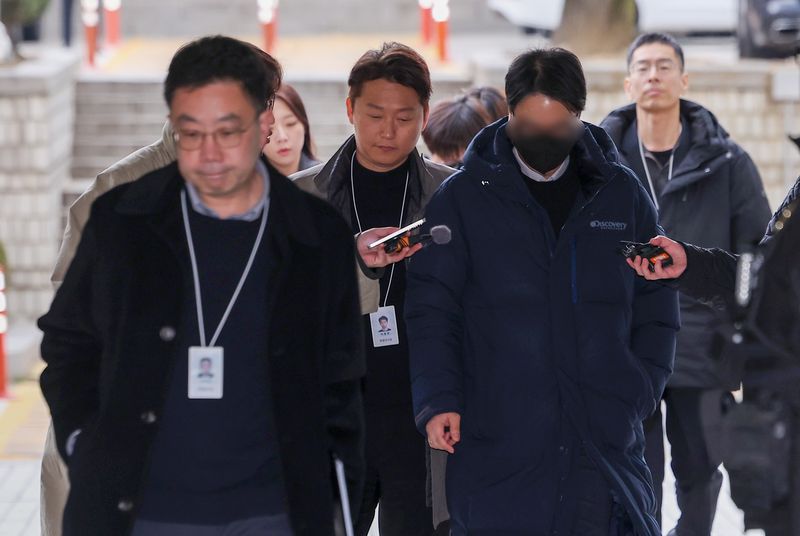
[Financial News] The special counsel team investigating the National Election Commission (Special Counsel Lee Tae-han) secured the detention of its first suspect, but its success was only partial. Of the eight people for whom warrants were sought, seven had their warrants denied, and the court said it was “difficult to establish the need for detention.”
The special counsel team had sought to expand its investigation into who directed or conspired in offenses such as the manipulation of voting records after taking the suspects into custody. With so many warrants denied, however, the investigation is likely to face some difficulties.
At around 1:20 a.m. on the 24th, senior judge Lee Jong-rok, who handles warrant applications at Seoul Central District Court, issued a detention warrant for only one person surnamed Lee among eight officials from the National Election Commission and provincial and municipal election commissions who were suspected of offenses including forging public electronic records. The court said there was “a risk of evidence being destroyed” in Lee’s case.
The warrants for the other seven were denied. The court said it was “difficult to find detention necessary or warranted.”
The special counsel team said the decision was difficult to accept. Kim Jin-woo, a deputy spokesperson for the special counsel, said, “The court denied all the detention warrants in connection with an organized crime extending from the National Election Commission to regional election commissions, but issued a warrant only for the falsification of a vote-counting status sheet by a particular election commission official. In light of the seriousness and nature of the crimes, this is impossible to accept.”
Kim expressed regret, saying that the allegations of turnout manipulation and falsification of voting records were “grave offenses that have caused deep distrust in the public’s exercise of the right to participate in elections and in the fairness of elections,” given that their consequences were reflected in voting and election petitions.
He added, “It is impossible to accept that detention warrants were denied for suspects concealing the substantive truth, including whether their superiors were involved, with the court citing, among other things, that they had acknowledged the facts of the case.” He said, “We will actively consider filing new applications for detention warrants, including for their superiors.”
The previous day, the court held detention-warrant hearings for the eight suspects from 9:50 a.m. until late afternoon.
Five prosecutors assigned to the special counsel team, including two deputy chief prosecutors, appeared and explained why detention was necessary. They also prepared a presentation to highlight indications that the suspects had attempted to destroy evidence. The election commission officials who appeared in court that day did not answer reporters’ questions about whether they admitted to the allegations.
The officials are suspected of, among other things, retroactively manipulating voting records or falsifying vote-counting status sheets during the June 3 local elections and entering false real-time turnout figures. The special counsel team expected that, if detention warrants were issued, further investigation to establish the specific orders and relationships among those who conspired would move forward more quickly. The team argued that there was a risk of flight and evidence tampering, but the court did not find grounds to detain seven of the suspects.
The special counsel team had earlier uncovered indications that, after so-called “unnumbered ballots”—ballots without printed serial numbers—were supplied to some polling places because of a shortage during the election, voting records were altered after the fact. The allegation is that, on the National Election Commission’s instructions, election commissions at various levels arbitrarily wrote in serial numbers or added wording to the remarks section of voting records.
The team has also been investigating indications that an employee of the election commission in Gwangju, Gyeonggi Province, concealed and falsified a vote-counting status sheet during the Gyeonggi Province superintendent of education election, as well as allegations that voter counts by time period were falsely entered at around 30 regional election commissions nationwide.
The special counsel team has a maximum investigative period of 150 days and is approaching the halfway point. Whether the warrants were issued is expected to be a turning point for the investigation going forward. Investigations of the election commission leadership at the time, including former National Election Commission Chair Rho Tae-ak, are expected to take place around the middle of next month.
[email protected] Choi Eun-sol Reporter