Jeju National University Hospital Renovates Chemotherapy Ward, Plans to Expand Capacity for Advanced Blood Cancer Treatment
- Input
- 2026-11-23 14:40:15
- Updated
- 2026-11-23 14:40:15
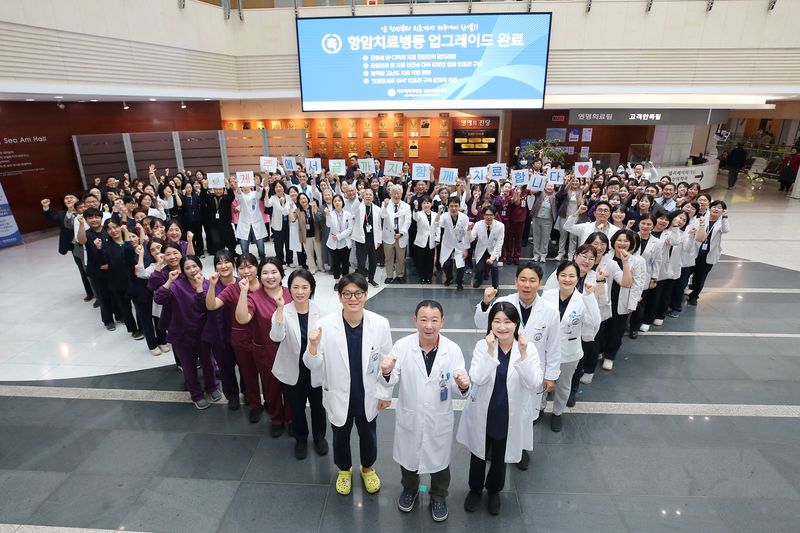
【Financial News, Jeju = Reporter Jeong Yong-bok】 Jeju National University Hospital has upgraded the infection-control facilities and patient routes in its chemotherapy ward and begun operations. It plans to gradually build the infrastructure for hematopoietic stem cell transplants, which are needed to treat advanced blood cancers, to reduce the burden on patients who must seek care outside Jeju.
According to Jeju National University Hospital on the 23rd, the Jeju Regional Cancer Center has completed renovations to its chemotherapy ward, which provides intensive treatment for patients with advanced cancers and blood cancers, and has begun operating the ward.
The renovation was undertaken to reduce the risk of infection for patients receiving high-risk chemotherapy and to improve the safety and convenience of inpatient treatment.
During cancer treatment, even normal immune cells can be affected, leaving patients more vulnerable to infection. Blood cancer patients in particular may experience weakened immune function due to the disease itself or its treatment, making infection prevention and continuous monitoring of their condition important.
The Jeju Regional Cancer Center upgraded infection-control facilities in the ward and improved routes used by patients and medical staff. The treatment environment was also reorganized to reduce the inconvenience experienced by patients and their caregivers during hospitalization.
The center also strengthened a collaborative system in which multiple clinical departments and support units work together to care for patients. About 100 dedicated staff members across the hospital coordinate to support care, including staff from Hemato-Oncology and the Department of Radiation Oncology, as well as the chemotherapy ward, chemotherapy infusion room, Same-Day Chemotherapy Center, pharmacy department's chemotherapy compounding room, Care Coordination Center and palliative care ward.
Under this approach, multiple departments collaborate at each stage of a patient's treatment, from prescribing, compounding and administering chemotherapy drugs to monitoring outpatients and inpatients, providing radiation therapy and coordinating rehabilitation and palliative care.
The latest ward renovation at Jeju National University Hospital is a follow-up measure in its efforts this year to expand its cancer care capacity. The hospital opened a Same-Day Chemotherapy Center in February and operates an outpatient chemotherapy infusion room for patients receiving shorter treatments and a chemotherapy day ward for patients who need treatment lasting six hours or more.
At the time, equipment using artificial intelligence (AI) to monitor patients' conditions was installed at the 11 beds in the chemotherapy day ward. This time, infection-control facilities and the treatment environment in the inpatient chemotherapy ward were improved to strengthen the care system.
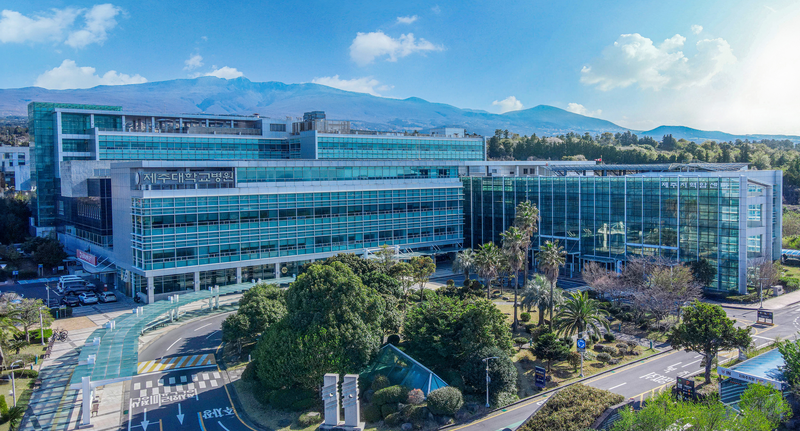
Jeju National University Hospital was designated a regional cancer center by the Ministry of Health and Welfare in 2006. Regional cancer centers are key local medical institutions that provide cancer prevention and early screening, specialized care, rehabilitation and patient support.
In its Fifth Comprehensive Cancer Control Plan (2026–2030), announced this year, the government also set out as key priorities strengthening the care capabilities of regional cancer centers and building a healthcare system that allows patients to receive the cancer treatment they need in the areas where they live.
Because Jeju is an island, residents may face additional burdens—including airfare, accommodation costs and traveling with a caregiver—when seeking certain advanced cancer treatments at medical institutions in other regions.
The Jeju Regional Cancer Center is also working to build infrastructure for hematopoietic stem cell transplants to reduce these burdens. This highly specialized treatment involves transplanting hematopoietic stem cells to restore the body's ability to produce blood cells. It is used to treat some leukemias, lymphomas and cases of multiple myeloma, and requires specialized medical staff and strict infection-control facilities.
The Jeju Regional Cancer Center plans to expand its sterile isolation treatment environment and specialized care capabilities in phases, broadening treatment options for blood cancer patients in Jeju.
Park Gyeong-gi, director of Jeju National University Hospital's Jeju Regional Cancer Center, said, "We will continue to expand infrastructure for advanced cancer treatments, including hematopoietic stem cell transplants, and fulfill our role as a regional hub cancer center that residents can turn to with confidence."
[email protected] Jeong Yong-bok Reporter