Hyundai Elevator Sold Less but Repaired More
- Input
- 2026-11-23 15:20:37
- Updated
- 2026-11-23 15:20:37
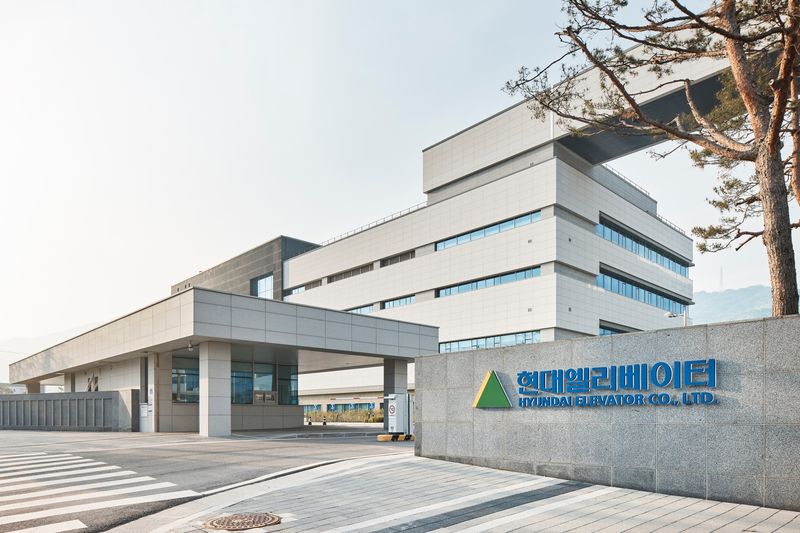
According to Hyundai Elevator Co., Ltd.'s third-quarter report on the 23rd, operating profit in its elevator manufacturing segment totaled 25.4 billion won from January through September this year, down 57.8% from 60.1 billion won in the same period a year earlier. Revenue over the same period fell 10.8%, from 996.4 billion won to 888.9 billion won. The decline in profit was far steeper than the drop in revenue. The operating margin naturally fell as well, dropping from 6.0% last year to 2.9% this year. In effect, for every 100 won in revenue from manufacturing and selling elevators, less than 3 won remained as operating profit.
The deterioration in profitability in the manufacturing segment is attributed to the combined effects of a contraction in the new elevator market and higher cost pressures.
Because elevators are mainly installed in apartment buildings and commercial facilities, demand is sensitive to the construction market. According to the Korea Elevator Safety Agency, 24,083 elevators were installed in South Korea from January through September this year. Given that 36,211 elevators were installed over the whole of last year, installations during the first nine months of this year amounted to just 66.5% of last year's annual total. Demand has fallen sharply amid the construction downturn.
As a result, product prices fell while raw material prices rose, further worsening profitability. According to Hyundai Elevator Co., Ltd., the average selling price of elevators in South Korea fell from 81 million won for the full year last year to 73 million won from January through September this year. Over the same period, the purchase price of steel plate, a key raw material, rose 22.4%, from 760 won to 930 won per kilogram.
Instead, Hyundai Elevator Co., Ltd. turned to elevator installation and maintenance services as a way forward. Revenue in the segment rose 6.5% year over year to 525.7 billion won from January through September this year, while operating profit increased 29.2%, from 71.2 billion won to 92 billion won. The operating margin also rose from 14.4% to 17.5%. Its profitability was about six times that of the manufacturing segment.
Elevators that are already installed require safety inspections and regular maintenance. Even when the market for new installations contracts, demand for services for elevators already in operation continues, making it a relatively stable source of revenue.
The financial business also contributed more to earnings. Hyundai Elevator Co., Ltd.'s financial business segment comprises investment partnerships and private equity funds that invest in venture companies and companies specializing in new technologies, among other businesses. Operating profit in the segment totaled 46.3 billion won from January through September this year, more than eight times the 5.6 billion won recorded in the same period a year earlier.
[email protected] Jung Won-il Reporter