“Couples Should Get Infertility Testing Together” ... Age 35 Is Considered Advanced Maternal Age; Get Tested After 6 Months [Health Talk]
- Input
- 2026-11-23 14:43:00
- Updated
- 2026-11-23 14:43:00
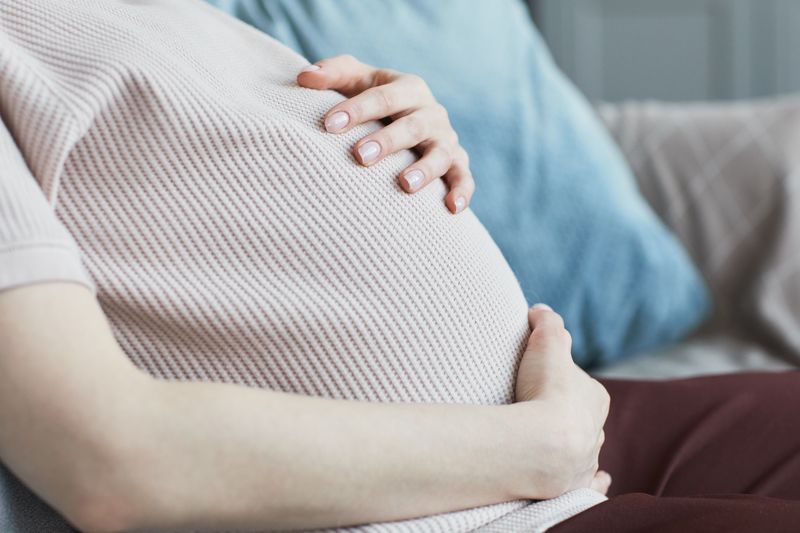
[Financial News] Couples hoping to conceive should get tested after six months if they are over 35. Infertility is generally defined as not becoming pregnant after one year. But because fertility declines rapidly after age 35, it is advisable to get tested if pregnancy has not occurred within six months.
As people are marrying and having children later in life, more are seeking medical care for infertility. According to the Health Insurance Review and Assessment Service, the number of people receiving infertility care rose 44.8% in five years, from 252,288 in 2021 to 365,194 in 2025. Infertility can involve male as well as female factors, and its causes and treatment differ from couple to couple, so it is important for couples to identify the cause and pursue treatment together.
Infertility: Couples should investigate the causes together
Infertility refers to not becoming pregnant despite a year of regular sexual relations without contraception. Women's fertility is highest at ages 20 to 25 and declines more rapidly after age 35. Men's fertility also declines with age.
Male and female factors each account for about 30% of infertility cases. In about 35% of cases, both partners have contributing factors or the cause is unknown, making it important for couples to investigate the cause together from the outset.
In Korean medicine, infertility is attributed not only to reproductive system problems but also to imbalances throughout the body. Its causes are divided into six broad categories: kidney deficiency, marked by reduced reproductive function; liver qi stagnation, in which stress impairs the circulation of qi and blood; qi and blood deficiency, involving a lack of qi and blood and physical weakness; phlegm-dampness, an abnormality in body-fluid metabolism; blood stasis, or impaired blood circulation; and damp-heat, an inflammatory condition. Treatment is tailored to the cause after considering the individual's overall condition, including age, congenital factors, stress, physical weakness, obesity, impaired blood circulation and inflammation.
At the first visit, the patient's overall health, including menstruation, ovulation and reproductive function, is assessed, and treatment is provided according to the cause using herbal medicine, acupuncture and moxibustion. For women, regulating menstruation to support regular periods and ovulation is the foundation of treatment, while men's sperm quality and overall health are assessed together.
Lee Jin-mu, a professor in the Department of Korean Medicine Obstetrics and Gynecology at Kyung Hee University Hospital at Gangdong, explained, “Personalized Korean medicine treatment focuses on improving the couple's overall condition—for women, by improving egg quality, and for men, by regulating their energy and restoring sperm quality.”
Sometimes combined with IVF and artificial insemination
Korean medicine treatment is sometimes provided alongside in vitro fertilization (IVF) or artificial insemination. In collaboration with an obstetrics and gynecology department, Korean medicine treatment is given only until before ovulation induction begins (before menstruation starts), to prepare the body for pregnancy.
There is also related research. A study published in Fertility and Sterility, the journal of the American Society for Reproductive Medicine, found that the pregnancy success rate was 42.5% in the group that received acupuncture alongside IVF, more than 1.5 times the rate in the group that received IVF alone (26.9%). The researchers said acupuncture before and after embryo transfer may help stabilize the mind and body and improve blood flow to the endometrium.
Many people worry that herbal medicine could affect the fetus if they become pregnant while taking it. Professor Lee explained that herbal medicine used to treat infertility is prescribed with the ingredients, dosage, timing of use and possibility of pregnancy all taken into account. In general, herbal medicine for infertility treatment is stopped once pregnancy is confirmed. However, if there are warning signs of miscarriage, such as bleeding or lower abdominal pain, herbal treatment to relieve symptoms may be provided depending on the patient's condition. After becoming pregnant, patients should discuss with their medical team before deciding whether to take herbal medicine.
The period of preparing for pregnancy is also a time for “preconception prenatal education,” when people prepare their bodies and minds for a healthy pregnancy and childbirth. Professor Lee said, “It is important to maintain a positive, stable mindset and a healthy body for the child you will meet in the future,” adding, “In particular, regular strength training can help women have a healthy pregnancy and recover after childbirth, and can also help prevent postpartum wind and obesity.”
[email protected] Jung Myung-jin, Medical Correspondent Reporter