Samsung and LG Lift Q3 TV Plant Utilization Despite Slump ... Expand Premium Reach
- Input
- 2026-11-25 06:59:00
- Updated
- 2026-11-25 06:59:03
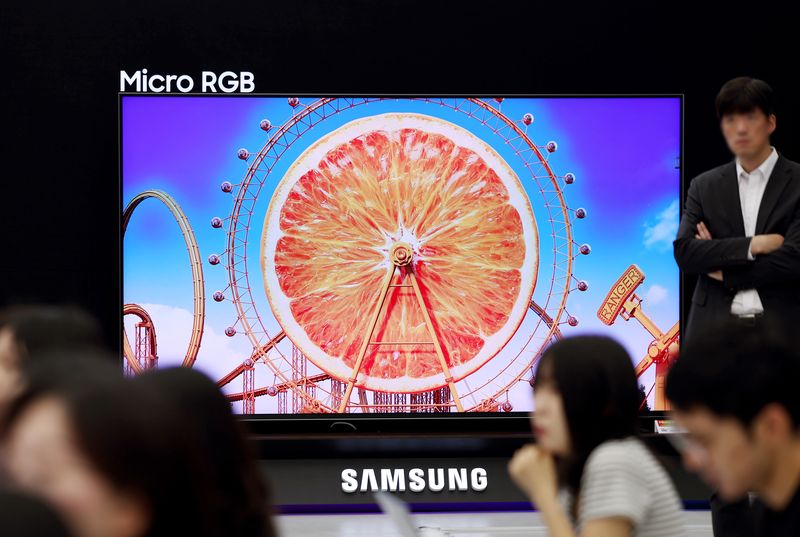
[Financial News] Despite weakness in the global TV market, Samsung Electronics and LG Electronics have raised the utilization rates of their TV factories this year compared with last year. The strategy of targeting premium demand by expanding high-value product lines, including Mini LED (light-emitting diode) models, is believed to have contributed. However, with cost pressures from rising memory prices persisting, both companies plan to place greater emphasis on selling premium products and improving cost efficiency.■ TV plant utilization rose, but cost pressures remain...According to industry sources on the 25th, from January to September this year, utilization at TV and monitor factories in Samsung Electronics’ finished products (DX) division was 81.1%, up 3.9 percentage points from 77.2% in the same period last year. LG Electronics’ average utilization rate in its TV division also rose to 72.2% over the same period, up 1.1 percentage points from 71.1% the previous year.
Production is increasing, but profitability remains under pressure. Samsung Electronics’ Visual Display Division (VD Division) and Digital Appliances (DA) Business posted an operating loss of 200 billion won in the third quarter this year, marking their second consecutive quarterly loss. LG Electronics’ Media Entertainment Solution (MS) Division, which handles TVs and laptops, posted an operating profit of 146.7 billion won over the same period, returning to profitability year over year, but operating profit fell 33.1% from the previous quarter.
With consumer sentiment weakening amid prolonged high oil prices and interest rates, industry sources expect annual TV shipments this year to reach only around 193.48 million units, down 1.4% from last year. Rising costs for memory and other components are also thought to have contributed. According to LG Electronics’ quarterly report, chips used in imaging equipment accounted for 9.4% of the MS Division’s total raw-material purchases from January to September this year, up from 6.7% last year. Market researcher TrendForce said, “This year’s sharp rise in memory prices is squeezing TV manufacturers’ profitability.”
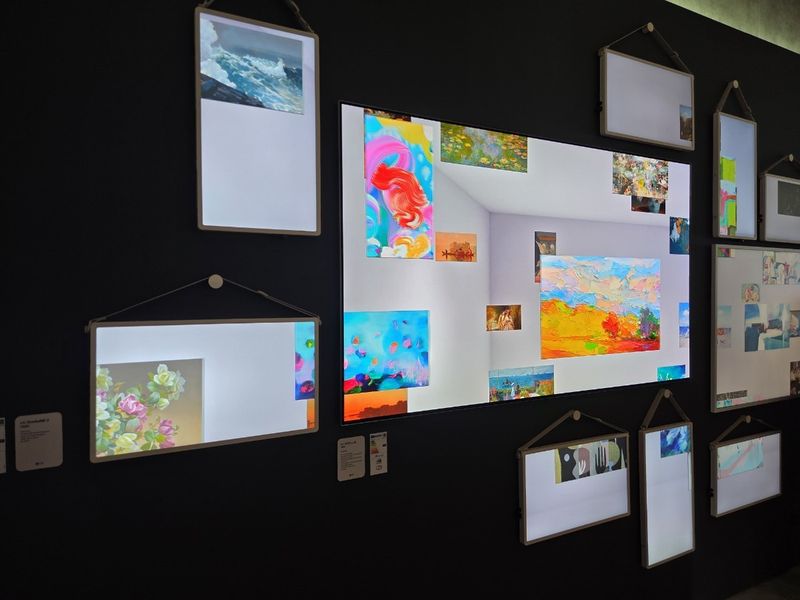
■Competing with high-value products... expanding the premium lineupSouth Korea’s TV industry is seeking to protect profitability by increasing the share of premium products. The strategy is to boost profit per unit by focusing on high-value products such as Micro RGB and Mini LED TVs.
At the third-quarter earnings call, Samsung Electronics VD Division Vice President Kim Won-woo said, “Despite continued constraints on memory supply in the third quarter, we limited the decline in profitability through premium sales and cost efficiencies.” Park Sang-ho, an executive vice president in the MS Division, also said, “Thanks to a larger share of premium products and cuts in material costs, operating profit continued to improve year over year.”
The expansion of these premium product lines is believed to have contributed to higher utilization at the two companies’ production lines despite the contraction in the overall TV market.
Samsung Electronics added 65-, 75-, 85- and 100-inch models this year to its Micro RGB TV, first introduced last year in a 115-inch size, and also unveiled a 130-inch model. LG Electronics also unveiled LG Micro RGB evo, which uses RGB LED light sources to enhance color reproduction. The companies have diversified the sizes and price points of their Mini LED TVs. Samsung Electronics launched four series ranging from 43 to 100 inches this year, while LG Electronics bolstered its ultra-large lineup with 100- and 115-inch QNED (nano-based displays with high color-reproduction capability) evo models.
With their product lineups expanding, Samsung Electronics and LG Electronics are expected to strengthen their positions in the Mini LED TV market. TrendForce forecast that Samsung Electronics would regain the top spot this year, with a 26% share of the global Mini LED TV market by shipments. It also projected that LG Electronics’ shipments would rise by at least 800% year over year to 1.75 million units, securing fourth place globally.
An industry official said, “With the TV market entering a low-growth phase and memory prices also rising, it is difficult to improve profitability simply by increasing sales volume. Manufacturers’ focus on raising average selling prices by enlarging screens and upgrading product specifications is also a strategy to protect profitability.”
[email protected] Park Ji-yeon Reporter