“A Carbon Copy of the Dot-Com Bubble Collapse” ... “Part of the AI Bubble Has Burst; a Bigger Crisis Could Come”
- Input
- 2026-11-23 16:11:42
- Updated
- 2026-11-23 16:11:42
""
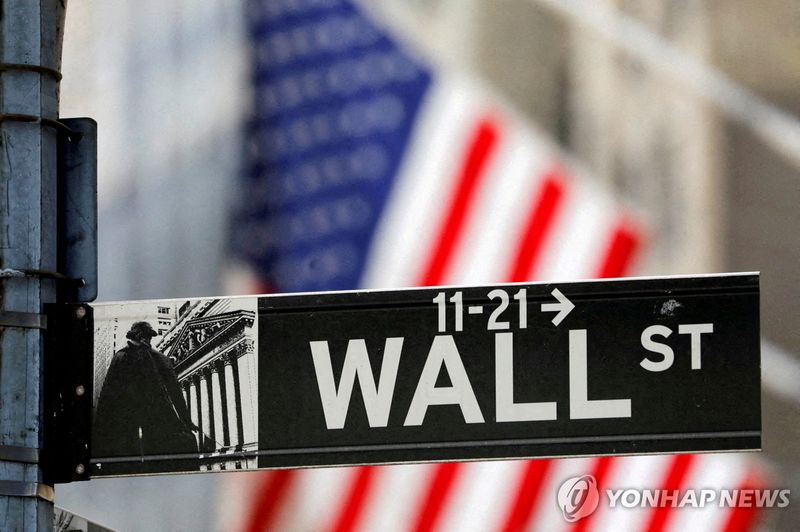
[Financial News] The sharp decline in AI-related stocks is said to bear a close resemblance to the 2000 collapse of the dot-com bubble, and part of the AI investment bubble in data centers and semiconductor stocks is said to have burst.
On the 22nd (local time), The Wall Street Journal (WSJ) reported that the recent sell-off in AI-related stocks closely resembles the collapse of the dot-com bubble. It added that small bubbles in data centers and related suppliers have already burst, but that it is still difficult to determine whether the bubble across the AI industry as a whole has burst. The Journal stressed the importance of Washington not worsening market conditions through policy mistakes.
Prepare for the possibility of a bigger collapse
This year, the share-price declines from their peaks for major technology companies such as Intel, Nvidia and Micron were similar to those seen during the 2000 dot-com bubble collapse. Intel fell 64% from its peak this year, exceeding its 2000 decline of -60%. Oracle’s decline also widened from 37% then to 60% this year. South Korea’s stock market was cited as a prime example amid reports of particularly pronounced speculative overheating in memory-chip stocks.
Similar trends were seen across the broader market. In 2000, as sharp declines in technology stocks spread widely, the S&P 500 fell about 15% from its peak by year-end. This year, selling was concentrated in AI-related stocks, and the S&P 500 fell 12% from its intraday peak. The tech-heavy Nasdaq-100 recorded its worst weekly decline since March 2020.
One difference from 2000 is that the U.S. economy is currently robust. The dot-com bubble collapse at the time led to a recession, hurting even sectors unrelated to technology stocks and triggering further steep declines in 2001. The WSJ warned that the market’s failure to rebound despite Anthropic’s successful IPO last week was a negative sign, and expressed concern that the downturn could continue.
The WSJ warned that the current episode could be the start of a bigger collapse and that this possibility should be kept in mind.
Paul Nolte, a senior wealth management advisor at Murphy & Sylvest, noted, “Markets and investors are looking at the technology sector with many more questions.” Nomura strategist Charlie McElligott said the recent sell-off had spread beyond the movement of funds between sectors to the stock market as a whole, and characterized it as structural selling, with investors selling stocks and moving funds into cash and U.S. Treasuries.
AI stock plunge could spill over into the real economy... Interest rate hikes also pose a burden
If companies scale back large investment plans, such as those for data centers, semiconductor, power and equipment suppliers will be hit, and the shock will spread to financial institutions that lent them money. This could lead to a vicious cycle that further suppresses investment and demand and spills over into the real economy. With inflation above the Federal Reserve’s 2% target, the burden of interest rate hikes is also spreading across the economy, and a scandal involving former Nvidia CEO Jensen Huang was cited as a risk factor that could worsen the situation.
As doubts grow about whether semiconductor companies can sustain their rapid profit growth, SpaceX CEO Elon Musk warned that delays in data center construction could worsen AI companies’ cash shortages and that expanding AI investment next year could entail a substantial funding burden.
Meanwhile, amid consecutive daily declines in the stock market, Chinese authorities announced three measures to support the market, including cutting the margin requirement for credit trading from 100% to 80%. The measures could allow about 400 billion yuan (about 80.37 trillion won) in additional funds to flow into the market. The People’s Bank of China, the central bank, also announced plans to conduct swap transactions worth more than 100 billion yuan to provide liquidity to securities firms, fund managers and insurers. The interest rate on a relending facility supporting listed companies’ share buybacks and major shareholders’ stake increases was also cut from 1.25% to 1%.
Taiwan’s Financial Supervisory Commission (FSC) also banned short-selling across the market at prices below the previous day’s closing price and raised the minimum collateral ratio required for short-selling from 130% to 150%.
[email protected] Lee Seok-woo, International Affairs Correspondent Reporter