With Hopes of Hallyu Ban Easing, Firms Prepare to Expand ‘K-Beauty Sales Channels in China’... Industry Ministry-Backed Companies in Focus
- Input
- 2026-11-23 09:17:16
- Updated
- 2026-11-23 09:17:16
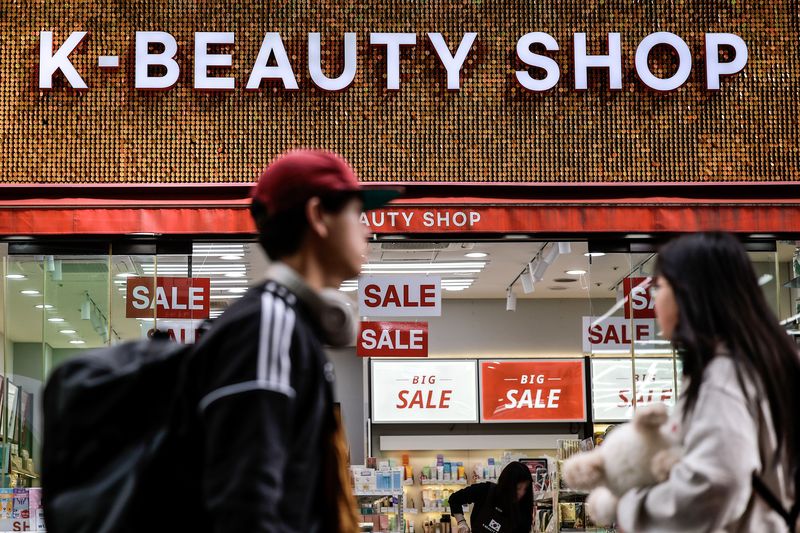
[Financial News] As hopes grow for an easing of the Hallyu ban (China’s unofficial ban on Korean Wave cultural content), attention is turning to K-beauty distributors backed by the Ministry of Trade, Industry and Energy as they seek to expand in the Chinese market. The substantive conclusion of follow-up negotiations on services and investment under the Korea-China Free Trade Agreement (FTA) is expected to create new opportunities to expand local distribution networks.
On the 23rd, according to the Ministry of Trade, Industry and Energy, the two countries announced on the 18th that they had reached a substantive agreement on follow-up negotiations for the FTA’s services and investment provisions. In distribution, the agreement allows South Korean companies operating 30 or more stores in China to run them independently, without forming joint ventures with local companies. Formal signing and entry into force, however, are still pending.
The ministry had been supporting K-beauty’s expansion into China even before the negotiations concluded. At the China International Import Expo, held in Shanghai from the 5th to the 10th of this month, it set up a Korean Pavilion with the Korea International Trade Association and arranged consultations between around 80 Chinese buyers and South Korean companies. Yang Qikun, vice chairman of JD Group, which held direct-purchasing consultations with the ministry and KOTRA in August, also forecast growing demand for K-beauty and said the company would continue to increase its direct purchases of South Korean products.
The ministry is also running its “Support Program for Retail Companies’ Overseas Expansion” through 2028 to broaden overseas sales channels for Korean consumer goods by leveraging domestic distribution networks. This year, it selected 13 companies in total: eight retail-platform operators and five online cross-border e-commerce businesses.
The selected retail-platform operators were CJ Olive Young, Cheongdam Global, Emart, MUSINSA, Mediquitous, Shinsegae Department Store, Artbox and Lotte Homeshopping. The cross-border e-commerce companies selected were Kurly, Saenghwal Gongjakso, Delivered Korea, United Borders and Ktown4u.
Among them, CJ Olive Young, Cheongdam Global, MUSINSA, Ktown4u and Mediquitous are drawing attention for their efforts to target the beauty markets in China and other Chinese-speaking regions.
CJ Olive Young distributes its own brands, including BIOHEAL BOH and BRINGGREEN, through its Chinese subsidiary. Cheongdam Global distributes more than 50 South Korean brands in China under first-tier vendor agreements with JD.com and Alibaba’s Tmall, and also assists with regulatory approvals.
MUSINSA is preparing to expand its business in China from fashion into cosmetics. Its own brand, Musinsa Standard Beauty, completed the registration of products such as serums, creams and perfumes as cosmetics in China this year. Whether it can boost sales by making use of its existing Tmall presence and store in Shanghai is drawing interest. Ktown4u sells South Korean color cosmetics to K-pop fans through its Chinese-language cross-border shopping mall. Mediquitous is also working to secure distribution partners in Chinese-speaking regions and expand business-to-business (B2B) sales, promoting its own brands such as Anillo and Bananal.
A distribution industry official said, “In China, local certification and securing distribution networks are considered barriers to entry, so progress in FTA negotiations combined with government support could help South Korean beauty companies expand their sales channels,” adding, “Whether they actually benefit will depend on whether this leads to new listings and increased local orders.”
Meanwhile, the ministry plans to select another eight retail-platform operators and five online cross-border e-commerce companies next year. Attention is focused on whether government support, together with the formal entry into force of the Korea-China FTA follow-up agreement, will lead to new supply deals in China and increased exports by South Korean companies.
[email protected] Kim Gyeong-a Reporter