Farmers Teach Neighbors How to Farm, Students Plant Trees ... Korea Food for the Hungry International Publishes Climate Report
- Input
- 2026-11-23 08:43:15
- Updated
- 2026-11-23 08:43:15
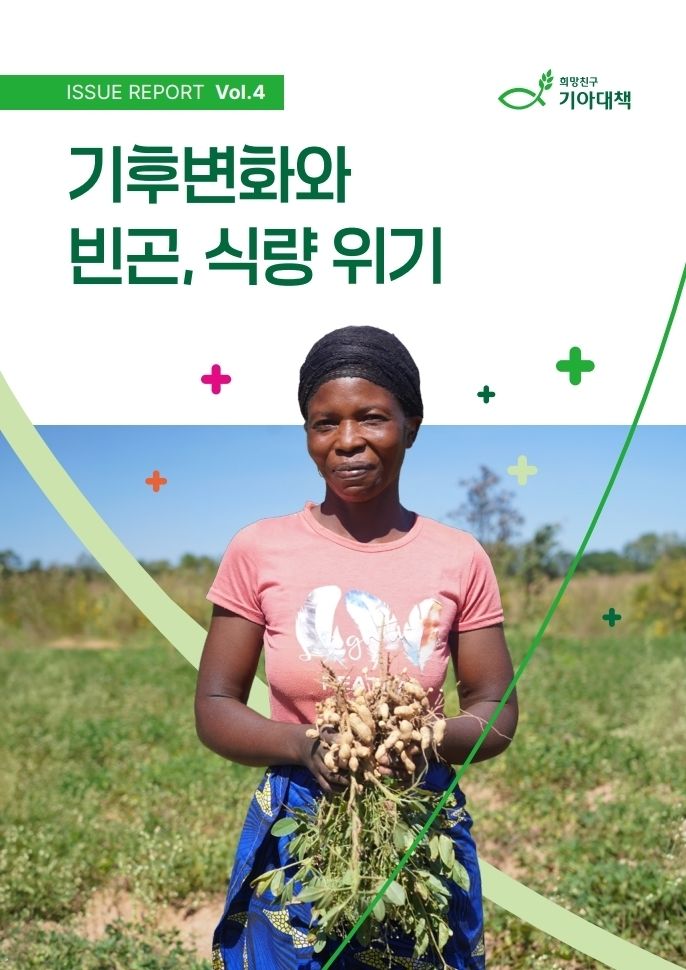
According to Korea Food for the Hungry International on the 23rd, the organization has published a report every year since 2023 on the theme of “climate change, poverty and food crises.” This edition examined eco-friendly agriculture and environmental education programs for young people in Zambia, Ecuador, Sri Lanka and Tanzania, among other countries.
According to the “2026 World Food Security and Nutrition Report,” the number of people experiencing hunger worldwide last year was estimated at about 645 million. The “2026 World Food Crisis Report” estimated that 87.5 million people in 16 countries and regions where extreme weather was cited as a main cause of food crises that same year faced severe acute food insecurity.
The Food and Agriculture Organization of the United Nations (FAO) estimated that drought in 2024 caused Zambia’s maize production, a staple crop in the country, to fall 51.1% from the previous year. As local supplies declined, maize prices in September that year were 40% higher than a year earlier.
Korea Food for the Hungry International provided seeds to 100 farmers in Chikumbi, Zambia, and taught them agricultural techniques to cope with climate change. The trained farmer leaders passed those techniques on to neighboring farmers. The proportion of farms using at least three organic farming methods rose from 10% to 50%. The organization collected about 3.27 tonnes of maize, peanut and bean seeds, enabling it to provide seeds to other farms as well.
A total of 275 students from 11 schools in Zambia joined climate change clubs, where they planted trees and established composting facilities to make natural compost. After the training, the students’ scores on an assessment of their climate change knowledge rose by about 80%. Club members taught 2,475 other students about the causes and effects of climate change and ways to respond. In Ecuador and Sri Lanka, students also planned environmental cleanups and resource-recycling campaigns themselves.
The report also covers follow-up results from a mangrove forest restoration project in Tanzania and a climate-smart agriculture project in Sri Lanka, as well as climate crisis education activities by the Hantol Youth Volunteer Corps in South Korea. The report is available on Korea Food for the Hungry International’s website.
Lee Jae-eun, head of Korea Food for the Hungry International’s International Programs Division, said, “We will continue to expand educational and hands-on opportunities so that local communities can respond to the climate crisis on their own, and create sustainable change.”
[email protected] Jang In-seo Reporter