“Japan Is Looking Four Years Ahead, While We...”: A Painful Lament Exposes the Raw Reality of South Korean Football, Even in Japanese Media
- Input
- 2026-11-23 10:30:00
- Updated
- 2026-11-23 10:30:03
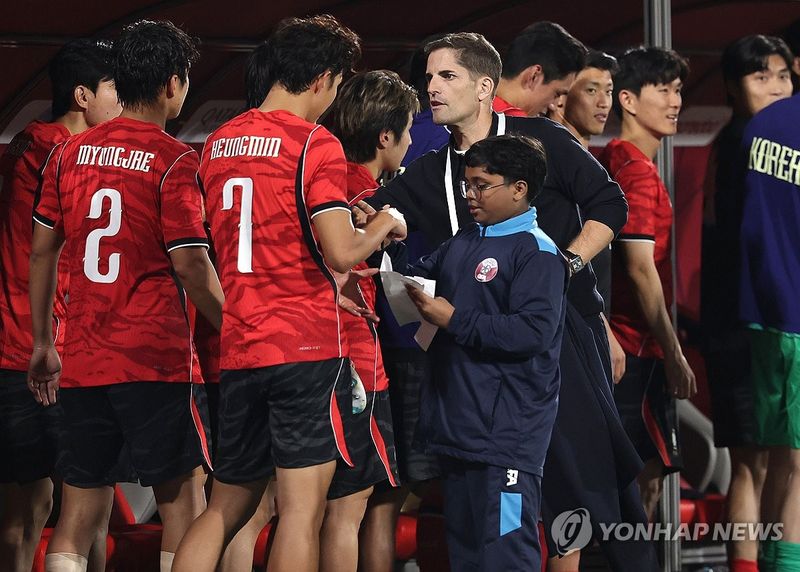
[Financial News] Japan is already looking four years ahead. By contrast, South Korea has yet to appoint even a head coach to lead the national team next month.
Several months have passed since the 2026 FIFA World Cup ended, but the clock has stopped for South Korean football. The country is facing an unprecedented administrative vacuum, with not only the permanent head coach but even the Korea Football Association (KFA) presidency vacant. Even rival Japanese media have taken notice of South Korean football’s frustrating reality.
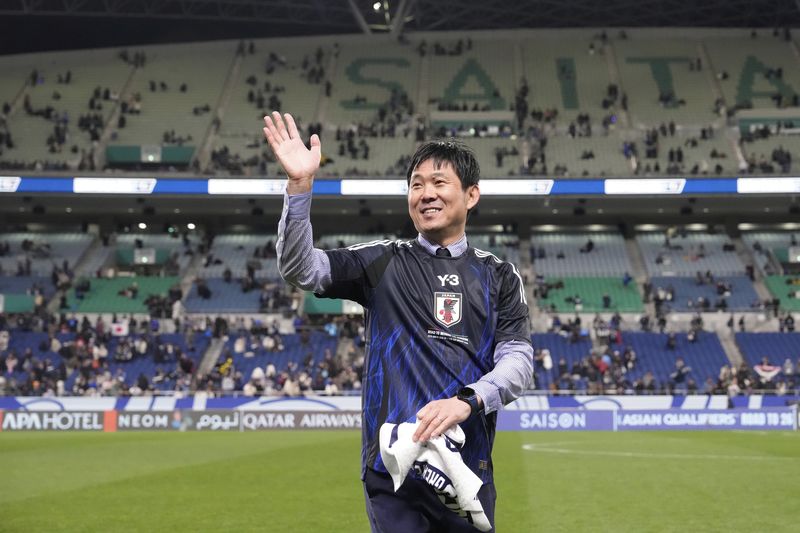
Japanese sports outlet Cocokara Next focused on the starkly divergent paths of the South Korean and Japanese national teams in an article published on the 21st. It pointed out that while Japan has brought its eight-year partnership with coach Hajime Moriyasu to a close and is opening a new chapter centered on Gō Ōiwa, South Korea has failed to present even a clear direction for its next head coach.
The Japan Football Association’s (JFA) handling of the transition was seamless. It selected Gō Ōiwa as the next head coach of the senior national team as early as last July. Although Moriyasu stepped down after the Paraguay match on the 17th, there was not a single day’s gap in the team’s leadership. Ōiwa, who officially takes up the post next March, will oversee both the senior team and age-group teams preparing for the 2028 Los Angeles Olympics, setting a long-term plan in motion for the 2030 World Cup.
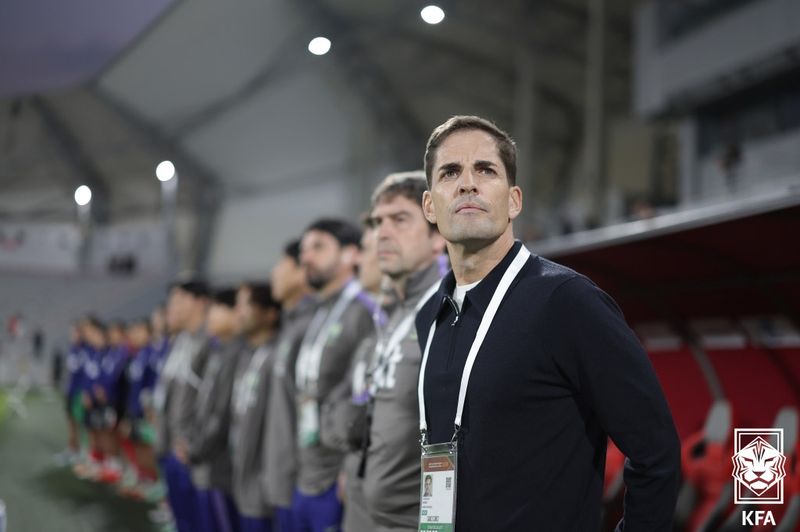
South Korea’s situation is the opposite. Interim coach Robert Moreno took charge of six matches from September through November, finishing with a record of three wins, one draw and two losses (nine goals scored and seven conceded), but his future remains uncertain. The KFA plans to decide whether to retain him after an evaluation by its Strengthening Committee and a vote by its board, but has yet to reach a conclusion, even with his contract’s expiration on the 27th fast approaching.
The person who most accurately captured the painful reality of South Korean football was MBC commentator Ahn Jung-hwan. While commentating on the Qatar match on the 17th, Ahn said, “It’s frustrating that we’re wasting precious time because there’s no one to make a decision,” and lamented, “We’re losing a lot of time, while Japan is looking four years ahead.” Japanese media also gave prominence to Ahn’s remarks, which pointed to paralysis in South Korean football administration rather than the players’ ability or tactics.
The root of the problem lies in a collapsed decision-making structure. The KFA has been without a leader for four months since former chairman Chung Mong-gyu stepped down last July. The association planned to expand the electorate to around 20,000 and elect a new chairman within the year, but the schedule was pushed back indefinitely after FIFA and the Asian Football Confederation (AFC) raised concerns about the composition of the electorate and the online voting method. It is a complete impasse, with two key issues—the KFA presidential election and the appointment of a permanent head coach—adrift at the same time.
Moreno himself hopes to continue working with South Korea. Right after the Qatar match, he said, “I am naturally considering the possibility of staying on as the permanent head coach,” adding, “I’m confident I can help the team and improve it in more ways.”
But more urgent than whether to continue with Moreno or look for a new head coach is making a decision at all. That is because it takes a great deal of time to introduce new tactics and establish the team’s philosophy.
While Japan has already set off toward the 2030 World Cup, South Korea is letting precious time slip away without even deciding how to wrap up 2026. That is why Ahn’s lament that “we’re losing a lot of time” and the way Japanese media view the situation feel particularly painful.
[email protected] Jeon Sang-il Reporter