Government Gathers AMD, NVIDIA and Intel to Discuss AI Semiconductor Supply Chains
- Input
- 2026-11-23 08:00:00
- Updated
- 2026-11-23 08:00:00
Expanding cooperation with global big tech firms...discussing joint demonstrations and commercialization
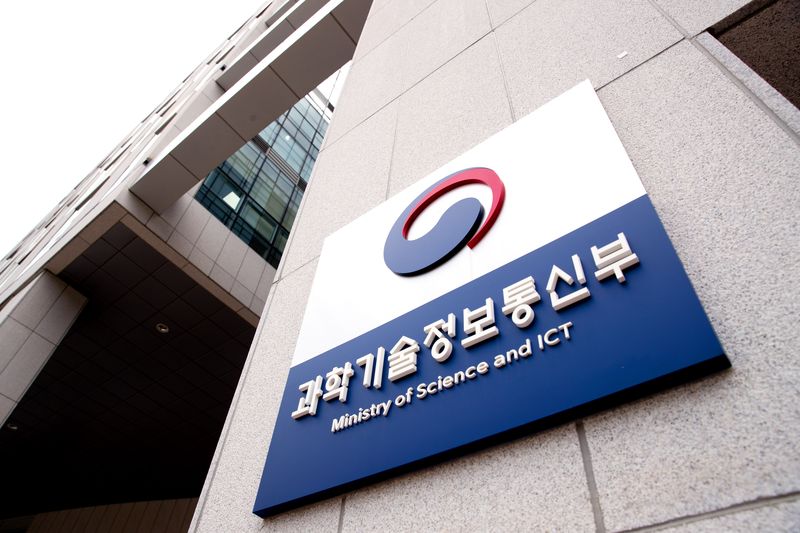
The Ministry of Science and ICT (MSIT) said on the 23rd that it had held a meeting on current issues facing Korea’s AI semiconductor industry at Space Share Seoul Station 2 Center, with 24 domestic and international companies in the AI semiconductor ecosystem in attendance.The meeting was attended by Korean branches of global big tech firms, including AMD, NVIDIA and Intel, as well as neural processing unit (NPU) companies such as FuriosaAI, Rebellions and DEEPX, and companies in the fields of AI infrastructure, software and physical AI.
Cooperation between global big tech firms and domestic AI semiconductor companies has been growing. AMD signed a memorandum of understanding (MOU) with FuriosaAI and MangoBoost to build open, heterogeneous AI infrastructure. NVIDIA agreed to work with SK Telecom and Rebellions to build AI infrastructure based on NVLink Fusion. Intel also launched the “K-AI Full Stack Alliance” with 23 Korean companies.
The companies attending the meeting shared updates on cooperation in physical AI, heterogeneous AI infrastructure, open standards and software. They said opportunities for joint demonstrations and commercialization should be expanded, and government support strengthened, so that cooperation with global big tech firms can lead to tangible business results.
Concerns over memory and substrate supply...need for supply chain cooperation
Supply uncertainties for key components and materials were also discussed as a major issue. The spread of AI data centers is driving up demand for high-bandwidth memory (HBM), low-power DRAM (LPDDR) and package substrates, increasing the burden of securing components and managing costs.Startups and small and midsize fabless companies, in particular, are struggling to secure components reliably because their purchasing volumes are relatively low. The companies attending the meeting agreed on the need to share supply and demand information between domestic memory and component suppliers and AI semiconductor companies, and to strengthen cooperation.
Changes in AI and data center policies in major countries, including the United States, and global big tech firms’ investment strategies were also discussed. The companies attending the meeting called for information sharing and policy support to address external uncertainties. They also said changes in the global industrial landscape should be used as an opportunity to build domestic AI data centers and help homegrown AI semiconductors expand overseas.
Lee Do-gyu, head of MSIT’s Information and Communications Policy Office, who chaired the meeting, said, “Homegrown AI semiconductors are facing an opportunity for a new leap forward as cooperation with global big tech firms expands, but uncertainty at home and abroad is also growing, including supply concerns over key components and materials such as memory and changes in the policy environment following the U.S. midterm elections.”
He added, “The government will support cooperation with global big tech firms in delivering tangible business results, while also actively working to address difficulties facing the industry, including the supply of key components and materials,” and said, “Going forward, we will hold regular meetings with the industry and continue to monitor the difficulties companies face.”
[email protected] Yoon Hong-jip Reporter