'Bare-Handed Proctoring' Exposes the CSAT's Limits... Calls Grow for Written-Response and Essay-Based Reform
- Input
- 2026-11-22 18:24:50
- Updated
- 2026-11-22 18:24:50
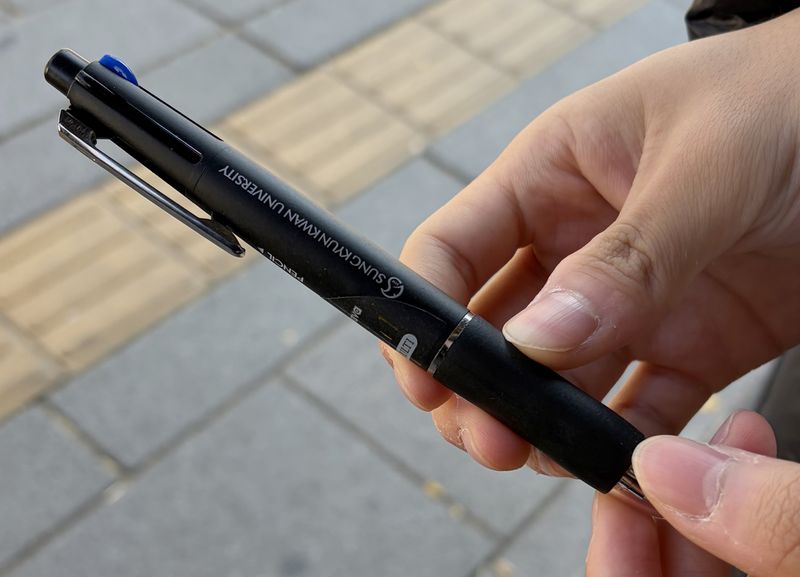
According to the education community on the 22nd, this year's CSAT was subject to stringent supervision, including the additional deployment of about 8,400 proctors and stickers being attached to examinees' clothing buttons, but the measures failed to prevent advanced devices from being brought into exam rooms. A total of 111 cases of cheating involving electronic devices were detected, including one case involving smart glasses and one involving the use of miniature cameras or wireless earbuds.
Kang Ju-ho, chairman of the Korean Federation of Teachers' Associations (KFTA), said, “Telling teachers to spot examinees equipped with advanced devices with the naked eye is no different from telling them to stop people coming at them with guns and knives using their bare hands,” and proposed revising laws and regulations to allow radio jammers.
Education authorities say that there are significant legal and practical obstacles to introducing equipment across the board, but that they will prepare additional measures. Lee Hae-suk, director of the Ministry of Education's Higher and Lifelong Education Policy Office, explained that a full search would pose a problem: “Searching 300 to 400 examinees one by one at the entrance to each test center would require a complete rescheduling of the CSAT timetable itself.” Lee added, “We will prepare additional technical measures that can be used before next year's CSAT.”
The controversy over cheating is also fueling calls to change the assessment method itself. With President Lee Jae-myung having ordered a sweeping overhaul of the national testing system, from A to Z, on the 20th, there are expectations in the education community that declining confidence in the fairness of multiple-choice tests could bring discussions of written-response and essay-based assessments to the fore.
Last August, the National Education Commission reported to President Lee a work plan centered on considering a shift to absolute grading for the CSAT and the introduction of written-response and essay-based assessments. However, it is proceeding cautiously, given the many challenges, including concerns about the fairness of AI grading, the possibility of rising private education costs, and an increased burden on teachers. National Education Commission Chair Cha Jeong-in said that introducing written-response and essay-based questions to the CSAT was not an issue that could be resolved within one to two years, and that the commission was considering first expanding such tests in school-based assessments so public education could prepare adequately.
Calls have also resurfaced for the CSAT to be converted into a qualification exam. If it is, universities would gain greater authority to select students, while ensuring the fairness of university-specific assessments and the possibility of increased private education costs could emerge as new challenges.
[email protected] Kim Man-gi Reporter