Kim Min-seok Raises ‘Impeachment of Cho Hee-dae’... What Lies Ahead for Politics After 100 Days in Office?
- Input
- 2026-11-22 14:12:30
- Updated
- 2026-11-22 14:12:30
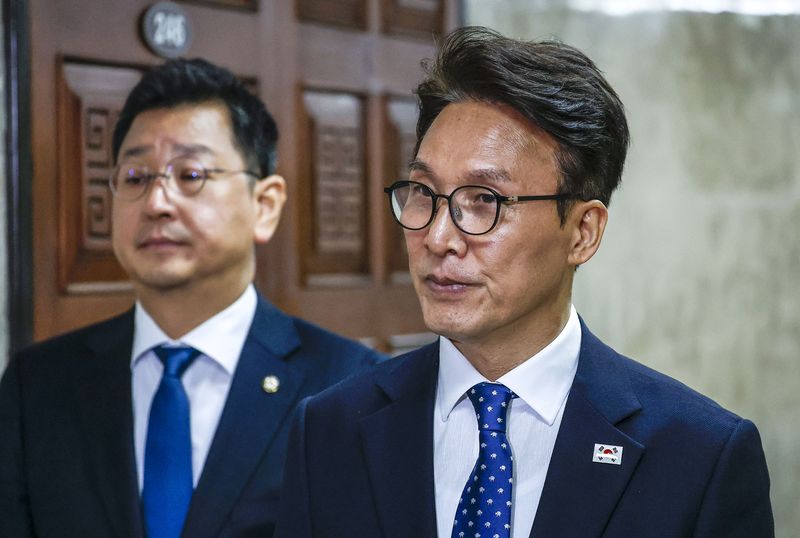
According to political sources on the 22nd, Kim will mark his 100th day in office on the 24th. The issue of impeaching Chief Justice Cho has come sharply into focus in political circles as Kim approaches that milestone. On the 22nd, the DPK’s task force pushing for an impeachment motion against Chief Justice Cho held a press conference at the National Assembly and declared that it would seek an Assembly vote on the motion before the end of the year. The move marked the start of a full-fledged push for action, as calls for impeachment had been building within the party since the Supreme Court overturned and remanded former Prime Minister Han Duck-soo’s case involving alleged participation in key activities of an insurrection, with a partial acquittal in view.
The DPK is considering the judiciary’s response during the 2024 South Korean martial law crisis, the process surrounding the Supreme Court’s reversal and remand of President Lee Jae-myung’s case under the Public Official Election Act, delays in recommending candidates for Supreme Court justice positions and prolonged vacancies, and allegations of improper spending of official duty expenses as grounds for impeaching Chief Justice Cho. The task force says it will focus on drafting a motion setting out these grounds while also carrying out a thorough process of gathering public opinion.
Kim now faces the task of using his 100-day milestone to reaffirm his determination to pursue Chief Justice Cho’s impeachment and present his vision for managing political affairs going forward. The impeachment push is expected to make the party’s reform agenda clear. Some analysts, however, say the political costs involved must also be considered.
Above all, attention is focused on how differences within the party will be reconciled. Alongside voices within the DPK that support the need to impeach Chief Justice Cho, some have urged caution over the timing and effectiveness of the move. Key concerns include the risk of political backlash if the Constitutional Court rejects the impeachment and the need to take the views of centrist voters into account.
With factional conflicts within the party having recently surfaced as well, attention is also on how the impeachment push might affect internal unity. The course of future debate within the party may depend on how far its leadership accommodates the concerns of cautious members while emphasizing the rationale for pursuing impeachment.
Relations with opposition parties are another variable. The People Power Party is protesting the DPK’s impeachment push, denouncing it as an assault on the judiciary. If the ruling and opposition parties clash head-on over impeachment, the already strained negotiating environment could deteriorate further.
With the statutory deadline of December 2 for passage of next year’s budget approaching, Kim’s ability to manage political affairs is expected to become increasingly important. Alongside budget deliberations, major livelihood issues such as extending the retirement age and real estate-related legislation are also awaiting discussion. A key challenge will be whether the ruling and opposition parties can keep negotiation channels open and deliver substantive legislative results, apart from the impeachment push.
The target for raising the party’s approval rating that Kim pledged when taking office is also under scrutiny. During the party leadership race, Kim promised to raise the DPK’s approval rating by 10 percentage points within his first 100 days in office. Yet the party’s ratings in various polls have remained stuck in the 30% range.
Assessments of the various reform bills pursued under Kim’s leadership and the results of coordination between the party and the government are also expected to affect the future trajectory of the party’s approval rating. Some say the DPK has made a degree of progress on reform legislation, including passage of the Special Counsel Act on Fabricated Prosecution, while others argue that such progress needs to translate into tangible results in people’s daily lives.
After his first 100 days in office, Kim will face two challenges: pursuing judicial reform and delivering results on livelihood issues. The key will be whether he can lead the impeachment push while resolving differences within the party and securing room for negotiations with the opposition. The DPK’s approach to conducting business in the National Assembly is expected to take clearer shape depending on the vision for managing political affairs that Kim presents in his 100-day message.
[email protected] Kim Hyeong-gu Reporter