“Lying, Not the Affair, Was the Problem” ... Boardroom Rift Emerges After Jensen Huang’s Departure
- Input
- 2026-11-22 09:07:13
- Updated
- 2026-11-22 09:07:13
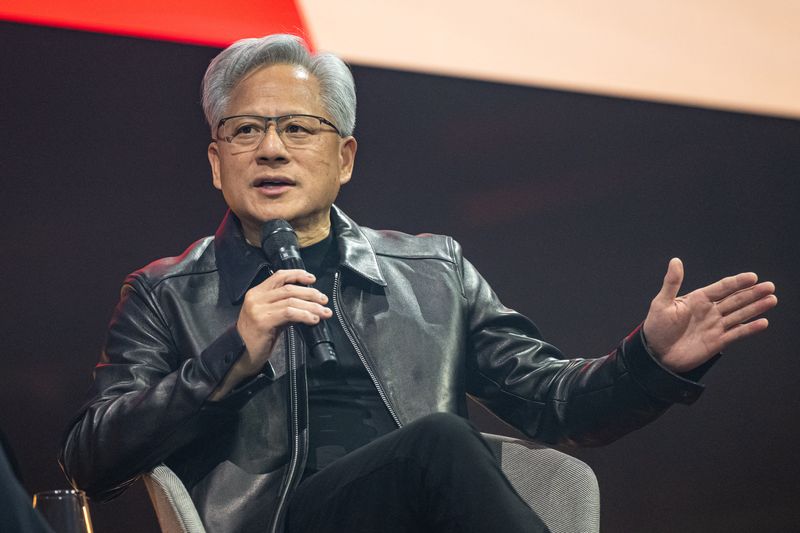
[Financial News] Further allegations have emerged that former Nvidia CEO Jensen Huang hid an extramarital relationship from the board and repeatedly verbally abused employees. The board reportedly lost confidence in Huang not so much over the controversy surrounding his private life as over his repeated false explanations.
On the 20th, local time, U.S. tech publication Wired reported, citing multiple sources, that the main reason the Nvidia board accepted Huang’s resignation was concerns about honesty and trust, not the extramarital relationship itself.
According to Wired, after The New York Times (NYT) reported last year on an alleged deal between Nvidia and Megaspeed, the board asked former CEO Huang about his relationship with Alice Huang (Chinese name: Huang Le). Alice Huang was an executive at Megaspeed at the time.
Sources allege that Huang maintained for about a year that there had been no inappropriate relationship and gave the board explanations that were not true.
The board’s mistrust reportedly grew after Huang admitted to an extramarital relationship with Alice Huang and further allegations surfaced of additional affairs with female employees at the company.
The explanation is that once it became clear Huang’s account did not match the facts, the board concluded it could no longer trust him.
Nvidia board chair Harvey Jones also explained the reasons for accepting Huang’s resignation at an all-company meeting on the 18th.
Jones said, “Accepting the resignation was not an easy decision,” but added, “However, revelations about his personal conduct and a lack of candor that did not align with the company’s code of conduct, standards and values made the decision unavoidable.”
Allegations emerged not only about trust issues with the board but also about problems with how Huang routinely treated employees. The claims were that he repeatedly made insulting remarks to employees and ran the organization in a coercive manner.
That same day, the NYT reported that Huang had used insulting language and behavior to improve employees’ job performance.
According to the report, Huang had said, “Money alone can’t motivate employees,” and “the only way to squeeze more performance out of them is through insults.”
Anonymous sources testified that Huang had hurled abuse at employees, including, “Your mother should have aborted you” and “I’ll piss on your brain.”
Huang himself once described his way of treating employees as, “I ‘torture’ them so they can become great.”
There were also allegations that employees’ complaints had been raised internally but no appropriate action was taken.
According to the NYT, there had been cases in which employees complained to human resources about Huang’s verbal abuse, but the company reportedly either did not accept the complaints or resolved the matters through confidential settlements.
The report also cited the case of Michael Winston, who joined Nvidia as vice president of human resources in 2004.
Winston left the company about two months after joining. He claimed he was fired for opposing Huang’s verbal abuse of employees and reportedly reached a settlement with the company while preparing to file a lawsuit.
The NYT also reported that it had reviewed the contents of a notebook Winston, who died early this year, wrote while he was at the company.
The notebook said, “I could only stand by helplessly as they were publicly humiliated and tortured by this madman for so long.”
Similar allegations were made about senior director Madison Huang, the former CEO’s daughter. The claims were that Madison Huang behaved harshly, including shouting at executives during internal meetings.
[email protected] Han Seung-gon Reporter