Is the BOK Leaning Toward a Rate Hike? Next Week's Economic Hot Topics, Including Whether KOSPI Can Reclaim 5,000
- Input
- 2026-11-21 13:15:09
- Updated
- 2026-11-21 13:15:09
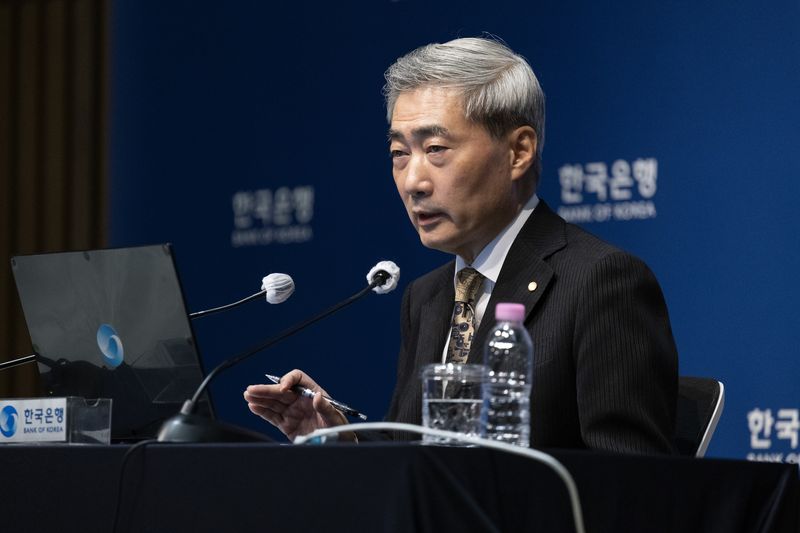
Rate-Hike Prospects at the BOK Rise Amid Outlook for U.S. Tightening
According to the Bank of Korea on the 21st, the BOK Monetary Policy Board will hold a monetary policy meeting on the 26th to set the base rate. It will be the Board's final meeting of the year. The market consensus is that another rate hike is likely. The current base rate is 3.00%. The Board raised rates twice in a row in July and August this year, then held them steady in October. If it raises the rate by the usual 0.25 percentage points at this meeting, the base rate will reach 3.25%. Factors cited in favor of a hike include the possibility of a widening interest-rate gap between South Korea and the U.S., and higher growth and consumer price inflation amid a strong semiconductor sector.The market consensus is that the Federal Reserve System (Fed) is likely to raise rates again at the Federal Open Market Committee (FOMC) meeting in December.
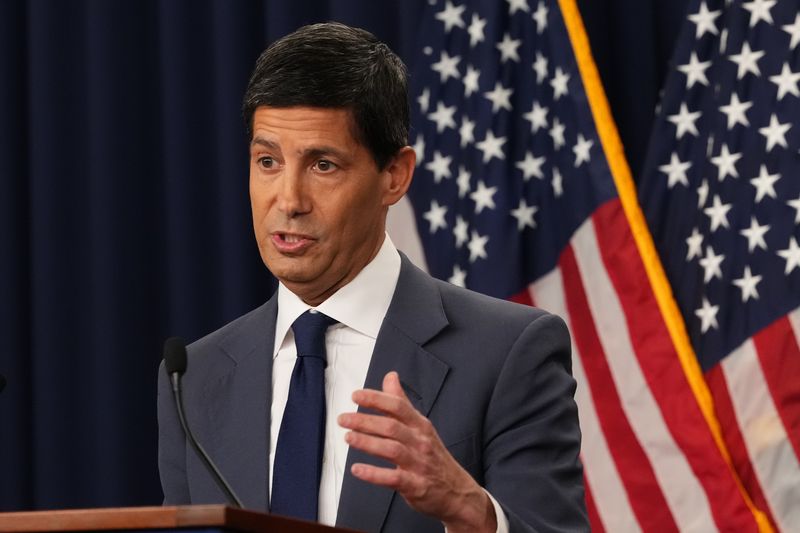
According to a survey of 10 major investment banks conducted this month by the BOK's New York office, all 10 expect the U.S. Fed to raise the federal funds rate, currently 3.75–4.00%, again in December. Compared with last month's survey, when nine expected a hike and one, Citibank, forecast no change, expectations have shifted further toward a rate increase. JPMorgan went a step further, forecasting hikes in January and March next year following one in December. It expects rates could be raised by 0.25 percentage points on three occasions by March next year. If that forecast holds, the U.S. base rate, currently 3.75–4.00% per year, will rise to 4.50–4.75% per year by March next year.
The October Producer Price Index (PPI), released on the 13th (local time), rose 6.5% year on year, its highest level since November 2022. The monthly Consumer Price Index (CPI), released earlier, rose 0.4% from the previous month, exceeding the market forecast of 0.3%. Hawkish remarks by Federal Reserve officials have heightened concerns about monetary tightening. St. Louis Fed President Musalem said several rate hikes would be needed to stabilize prices, while Fed Governor Christopher Waller argued that rates should be raised by 0.5 percentage points in a single big step at the December meeting to curb inflation. The minutes of the October FOMC meeting, released on the 18th, also showed that most participants remained concerned about high inflation and cited debt related to AI investment, off-balance-sheet lease commitments, and circular financing structures as sources of financial-market instability.

The case for a rate hike is being widely discussed based on domestic conditions alone. Consumer price inflation was above the BOK's 2.0% target in September (2.9% year on year) and October (2.8%), and price pressures have persisted since then. The case for a rate increase has also been strengthened by surprise growth: real gross domestic product (GDP) growth in the second quarter came in at 1.0%, well above the 0.3% forecast. If rates rise, the effects are expected to spread broadly, increasing mortgage repayment burdens, curbing rising property prices, dampening stock-market investor sentiment, and pushing down the exchange rate.
Alongside its rate decision, the BOK is expected to release revised forecasts for growth and consumer price inflation next year and the year after.
Tax chief confirmation hearing and FSS reform plan among issues to watch
The National Assembly will also hold a confirmation hearing for National Tax Service chief nominee Ahn Deok-su on the 26th. The hearing will begin at 10 a.m. The committee also approved a request for Ahn to submit documents and set a deadline of 6 p.m. on the 23rd for the 1,784 requested documents to be submitted. The parties failed to agree on the selection of witnesses and other persons called to testify because of differences between the ruling and opposition parties. The People Power Party nominated three witnesses, including Kim Hyun-ji, chief of Cheong Wa Dae's First Annex Office, but the Democratic Party did not accept the nominations.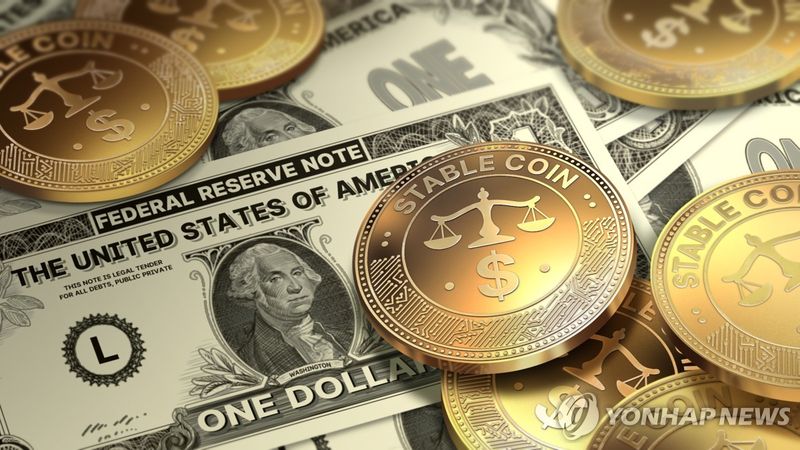
The Financial Services Commission plans to convene the Virtual Asset Committee on the 24th and release the government's draft Digital Asset Act. Key points to watch include limits on major shareholders' ownership stakes in virtual asset exchanges, stablecoin issuance requirements, and measures to protect virtual asset users. The Digital Asset Act is a wide-ranging bill that would bring into the regulatory framework areas not covered by the existing legal system, including stablecoin issuance and circulation, requirements for virtual asset service providers, and exchange regulations.
On the 27th, the Financial Supervisory Service will announce measures to reform financial administration. This is a follow-up to the Public Institutions Management Committee's decision early this year to ‘conditionally defer’ designating the FSS as a public institution. At the time, the committee set a condition that, in exchange for postponing the designation, the FSS would be subject to oversight and supervision ‘at least at the level of a public institution’ across its management. The reform plan is expected to address a range of practices criticized as problematic, including the FSS's interim announcements and its decisions on the severity of sanctions against financial firms.
[email protected] Jo Eun-hyo Reporter