U.S. SEC Probes NVIDIA's Accounting in Depth, Piling on Export-Control and Antitrust Woes
- Input
- 2026-11-21 09:08:15
- Updated
- 2026-11-21 09:08:15
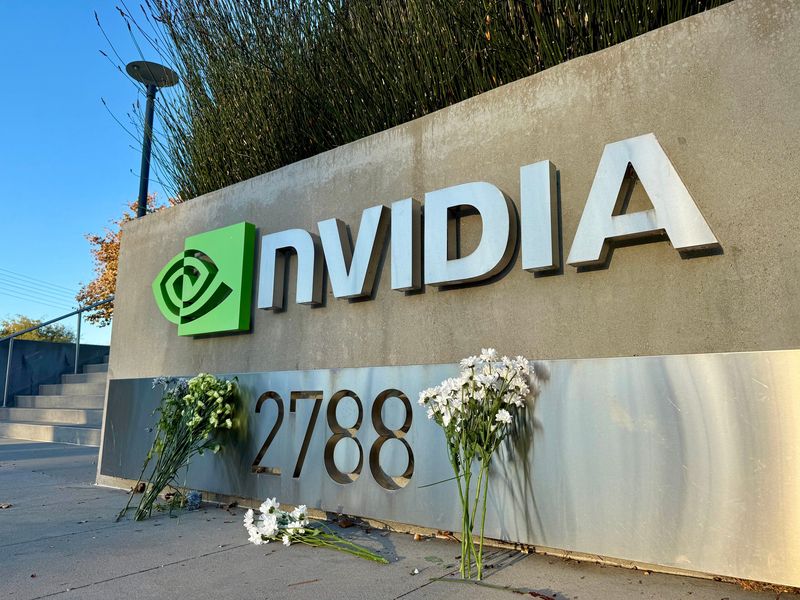
[Financial News] The U.S. Securities and Exchange Commission (SEC) has launched an investigation into NVIDIA's accounting practices, putting changes to its regional revenue calculation criteria and financing arrangements under scrutiny.
Reuters reported on the 20th local time, citing multiple sources, that the SEC's investigative team is closely examining potential accounting issues at NVIDIA. The Wall Street Journal (WSJ) first reported on the 17th that the SEC had launched an investigation into NVIDIA; the focus has since narrowed to its “accounting practices.”
The exact timing of the investigation's launch and the details of the allegations have not been confirmed. An SEC spokesperson declined to comment, and NVIDIA did not immediately state its position.
Markets and foreign media are focusing on the change NVIDIA made last year to its regional revenue disclosure criteria, amid news of the SEC's accounting investigation. During the last fiscal year, NVIDIA changed how it calculated regional revenue, switching from the “billing address” to the “location of the customer's headquarters.” After the change, revenue from Singapore, which had previously been disclosed as a separate line item, was excluded from its disclosures.
Singapore is where Megaspeed International, a major NVIDIA customer, is based. Alice Huang, with whom former CEO Jensen Huang acknowledged having an extramarital relationship, served as an executive at the company. Given Singapore's sizeable share of total revenue, questions have persisted about why NVIDIA changed its disclosure method midway through the fiscal year. At the time, NVIDIA said the change was intended to more accurately reflect the actual geographic composition of its revenue.
The so-called “circular financing” arrangements spreading across the AI and semiconductor industries have also fueled concerns about accounting transparency. Under these arrangements, a Big Tech company or chipmaker invests in or lends money to an AI startup or cloud company, which then uses the funds to buy the investor's own semiconductors. Critics say this makes it difficult to assess the health of underlying revenues and the associated financial risks.
Since the start of President Donald Trump's second administration, the SEC has pursued a policy of reducing overall regulatory enforcement actions while focusing its investigative resources on uncovering traditional securities fraud, such as accounting fraud. The SEC recently established a new unit dedicated to financial reporting and accounting under its Division of Enforcement, further strengthening its oversight of corporate accounting.
The investigation is expected to be another setback for NVIDIA, already shaken by scandals involving former CEO Jensen Huang's personal life and national security. NVIDIA is currently being investigated by the U.S. Department of Justice and the Department of Commerce over possible violations of export controls on AI semiconductors to China, and is also separately the subject of a Justice Department antitrust investigation.
[email protected] Lee Chang-hoon Reporter